



Find Your Perfect Vessel
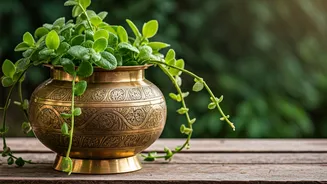
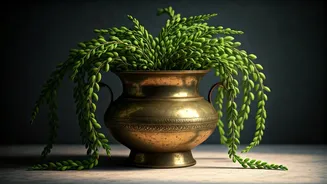
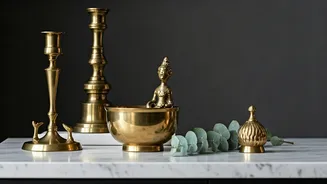
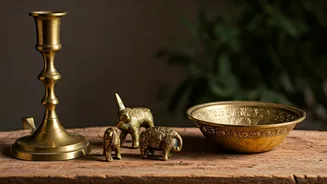
The first step is sourcing your centrepiece. Many of us have these treasures already—perhaps a wide-mouthed uruli that once held water and flowers, a deep charakku used for cooking on special occasions, or even a smaller, more intricate paan daan. If
you don't have one, antique shops, flea markets, and online heritage stores are fantastic places to hunt for these gems. Look for vessels with a wide, stable base. Minor dents and a bit of patina add character, so don't shy away from pieces that show their age. A vessel that is at least 8-10 inches in diameter is ideal for creating a lush, impactful display. Consider the weight; these are heavy to begin with, and will only get heavier with soil and water.
Prepare for a New Life
You can't simply fill your brass vessel with soil and expect a good result. Direct contact with moist soil can cause the brass to corrode over time, and a lack of drainage will lead to root rot, killing your plant. The key is preparation. First, give the vessel a thorough cleaning. A simple mix of lemon juice and baking soda or tamarind paste can work wonders to restore its shine. The most critical step is ensuring drainage. If you are committed to the vessel as a permanent planter, you can drill 3-4 small holes in the bottom. However, if you want to preserve the vessel's integrity, a non-invasive approach is better. Simply place a smaller, functional plastic pot with drainage holes inside the brass vessel, elevating it slightly with a layer of gravel at the bottom.
The Step-by-Step Planting Process
With your vessel prepped, it's time for the fun part. If using the pot-in-pot method, choose a nursery pot that fits comfortably inside your brass piece, leaving a small gap around the edges. If you've drilled holes, start by placing a layer of broken pottery shards or gravel at the bottom to prevent soil from clogging the holes. Next, add a layer of a high-quality potting mix formulated for indoor plants. Gently remove your chosen plant from its original container, loosen the root ball, and place it in the centre of the pot. Fill in the surrounding space with more potting mix, pressing down gently to eliminate air pockets. Leave about an inch of space from the rim. Water the plant thoroughly until you see water draining from the bottom, and your statement planter is ready.
Choose the Right Green Companion
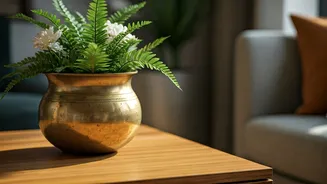
Not all plants are created equal, especially when paired with the golden glow of brass. You want plants that complement the vessel, not overwhelm it. Structural plants with strong silhouettes look particularly striking. Consider a Snake Plant (Sansevieria) for its upright, architectural leaves, or a ZZ plant (Zamioculcas zamiifolia) for its glossy, deep green foliage. Both are low-maintenance and tolerate lower light conditions. For a softer, trailing effect, a Golden Pothos or a Heartleaf Philodendron works beautifully, allowing its vines to cascade over the burnished edges of the brass. Succulents like Echeveria or a small Jade Plant also create a stunning contrast in texture and form. Choose plants that don't require constant watering to minimize moisture-related issues.
Long-Term Care and Styling
Your new creation requires a bit of care to stay beautiful. To maintain the brass's lustre, polish the exterior every few months with a dedicated brass cleaner. Be careful not to let the cleaner touch the plant or soil. When watering, it's best to remove the inner plastic pot (if you used one), water it in a sink, let it drain completely, and then place it back in the brass vessel. This prevents water from pooling at the bottom and tarnishing the metal. Position your planter where it can be admired—as a centrepiece on a dining table, a floor accent in a living room corner, or a grand welcome in your entryway. It’s more than a plant; it's a story.