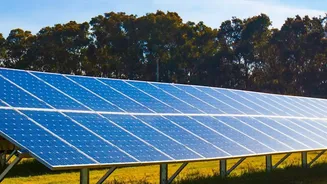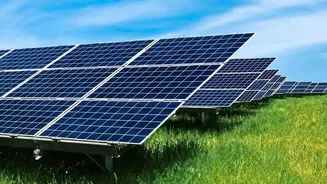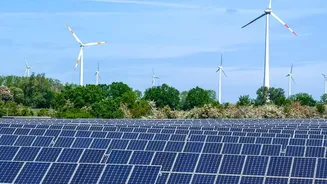





As India pushes for renewable energy, a critical question arises: where do we put all the solar panels without sacrificing vital agricultural land? A practice called agrivoltaics, which combines farming and solar energy, offers a compelling answer.
A Smart Solution for Land Scarcity
Agrivoltaics
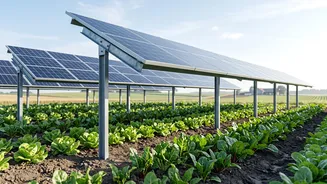
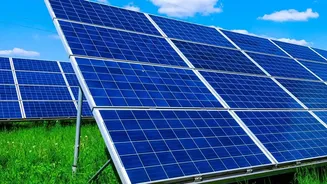
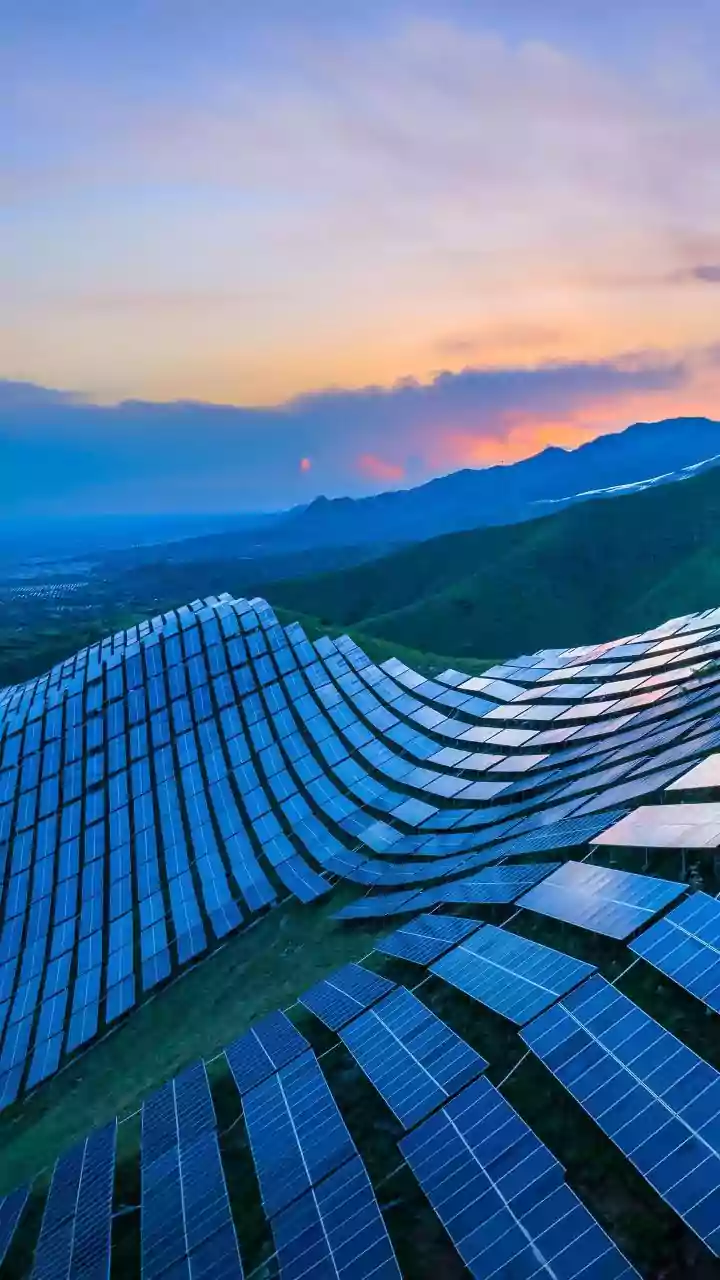
is the practice of using the same piece of land for both solar power generation and agriculture. Instead of covering fields entirely, solar panels are installed on tall mounts, several meters above the ground, creating space for crops to grow underneath or for livestock to graze between rows. This dual-use approach directly addresses the conflict between the need for clean energy and the preservation of farmland for food security. In a country where over half the land is used for agriculture, this innovation could be transformative, allowing farmers to harvest sunlight for both photosynthesis and electricity, potentially doubling their income streams from a single plot of land.
Cooler Soil, Less Water Stress
One of the most significant effects of placing solar panels over crops is the creation of a unique microclimate. The panels provide partial shade, which directly lowers the soil temperature. During peak summer heat, studies have shown that soil under panels can be significantly cooler—in some extreme cases by as much as 20°C—compared to soil in direct sun. This cooling effect is crucial. It reduces heat stress on plants, which can otherwise damage their metabolic functions. Just as importantly, cooler soil means less water is lost to evaporation. Research indicates that soil moisture retention can improve by around 15% under an agrivoltaics system, a massive benefit for farming in India’s arid and water-scarce regions.
The Impact on Crop Yield and Quality
The results for crop quality and yield are more nuanced and depend heavily on the specific plant. Not all crops love intense, direct sunlight. Shade-tolerant crops often thrive in the moderated conditions under solar panels. Research has shown positive results for leafy greens like spinach and lettuce, root vegetables like radishes and beets, and various herbs and legumes. For these plants, the partial shade prevents them from 'bolting' (flowering prematurely) and can lead to larger, more robust produce. However, sun-loving staple crops like rice and sugarcane have not been found to be suitable for this system in initial Indian government assessments. In some cases, such as with wheat or potatoes, yields might decrease slightly in normal years but can actually increase during hot, dry seasons when the protective shading becomes a major advantage.
Finding the Right Crop and System
Success in agrivoltaics is not a one size fits all formula. It requires careful planning based on the local climate and the chosen crops. The design of the solar array itself is critical, including the height of the panels and the spacing between rows, which determines how much light reaches the plants below. Modern systems can even use trackers to adjust the angle of the panels throughout the day, optimising the balance between energy generation and crop needs. For India, research is focusing on identifying the best combinations. Early findings suggest that fruits, certain vegetables, and high value crops like turmeric or medicinal herbs show great promise. In Japan, over 120 different crops have been successfully grown on agrivoltaic farms, demonstrating the vast potential if the system is correctly tailored.
Challenges and the Path Forward in India
Despite its promise, expanding agrivoltaics in India faces hurdles. The primary challenge is cost; the elevated structures and additional infrastructure can make these projects 25–30% more expensive than standard ground–mounted solar farms. Furthermore, with the average landholding being very small, ensuring that this technology benefits small and marginal farmers is a key concern for policymakers. The government is actively exploring the potential through initiatives like the PM–KUSUM scheme and pilot projects across the country to gather more data on crop suitability and soil health. Developing a clear policy framework will be essential to scale up this technology without negatively impacting farmers' livelihoods or long–term agricultural productivity.