








The Undisputed Champion of Chill
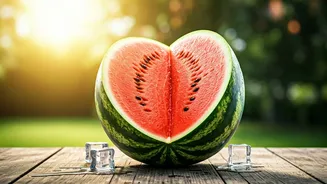
Let’s be honest. When it’s scorching outside, the last thing anyone wants is a complicated relationship with their fruit. Peeling, intricate slicing, de-seeding — it’s all a bit much. This is where the watermelon, or tarbuj, strides in. It’s the friend
who shows up with a cool drink on a hot day, expecting nothing in return. With a water content of over 90%, it’s basically a delicious, edible form of hydration. It’s not just a fruit; it’s a heat-beating strategy. In the intense Indian summer, when dehydration is a real concern, the watermelon isn't just a treat; it's practically a public service. Its ability to cool the body down and replenish lost fluids makes it an essential part of the summer survival kit.
The Genius of 'Lazy' Explained
What makes watermelon the ultimate lazy hero? Its effortless nature. Sure, it needs to be cut, but let’s consider the return on investment. One decent-sized watermelon can provide juicy, refreshing slices for the whole family, with leftovers for days. Unlike a mango, which can be a messy, albeit delicious, affair, or a pineapple with its fortress-like exterior, the watermelon offers a straightforward path to enjoyment. Cut it into wedges, cubes, or just scoop it out with a spoon — there’s no wrong way to eat it. This simplicity is its superpower. It’s the perfect snack for when you feel drained by the heat and the thought of any kitchen prep feels like a monumental task. It’s light on the stomach and easy to digest, which is a blessing when summer heat slows everything down.
More Than Just Sweet Water
While its hydrating power is legendary, the watermelon is far from being just sugary water. It’s a nutritional powerhouse hiding in plain sight. It's an excellent source of Vitamin C, which is great for your skin and immune system, and Vitamin A, which supports eye health. But its real claim to fame is lycopene. Watermelon has more of this powerful antioxidant than any other fresh fruit or vegetable, including tomatoes. Lycopene is linked with protecting skin from sun damage, improving heart health, and reducing the risk of certain cancers. So, that lazy slice of watermelon is also working hard to keep you healthy. It’s also rich in potassium and magnesium, electrolytes that are crucial for maintaining fluid balance and muscle function, especially when you're sweating a lot.
How to Pick Your Champion
Choosing the right watermelon can feel like a game of chance, but there are a few reliable tricks. First, pick it up. It should feel heavy for its size, which indicates high water content and juiciness. Look for a watermelon that is uniform in shape, whether round or oval, and has a dull, not shiny, appearance; shininess can mean it's underripe. The most important clue is the 'field spot' — the creamy yellow patch where the melon rested on the ground. A deep, buttery yellow spot means it was left to ripen on the vine longer and will be full of flavour. If the spot is white or non-existent, it was likely picked too soon. Finally, give it a good tap. A ripe watermelon will have a deep, hollow sound, while an underripe one will sound dull.
Beyond the Basic Slice
While a simple, cold slice of watermelon is hard to beat, there are other low-effort ways to enjoy it. For an instant slushie, just blend chunks of watermelon (frozen for a few hours if you have the foresight) with a squeeze of lime. For a simple and elegant salad, toss watermelon cubes with crumbled feta cheese and fresh mint leaves; the salty-sweet combination is a classic for a reason. You can also make a refreshing 'agua fresca' by blending watermelon with a little water and a touch of sugar or honey, then straining it for a smooth drink. These aren't complicated recipes; they are simple upgrades that honour the lazy spirit of this summer hero.