


More Than Just Mythology
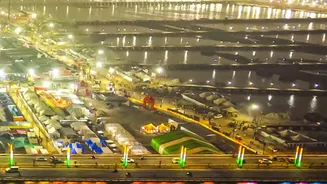
While the story of Lord Rama's victory over Ravana provides the spiritual backbone, the heart of Dussehra for many is the local 'mela' or fair. These bustling gatherings are a cornerstone of community life, blending devotion with carnival cheer. They
spring up on sprawling grounds in cities and villages, featuring everything from towering effigies and theatrical Ramlila performances to joyrides and endless rows of stalls. For any traveler wanting to experience the grassroots culture of India, these fairs are a living, breathing exhibition of tradition, commerce, and communal joy.
Delhi's Dramatic Ramlila and Street Food
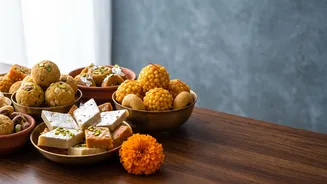
Delhi is an epicentre of grand Ramlila productions, with some of the most spectacular stagings at the historic Red Fort grounds and Ramlila Maidan. Here, the mythology is brought to life with impressive stagecraft, dazzling lights, and sometimes even modern 3D techniques. But once the drama concludes for the evening, the adjoining melas come alive. The air is thick with the aroma of Old Delhi street food—piping hot chole bhature, spicy chaat, crispy moong cheela, and sweet jalebis. It's a celebration where monumental theatre meets intimate family outings, fueled by irresistible local flavours.
The Royal Splendour of Mysuru Dasara
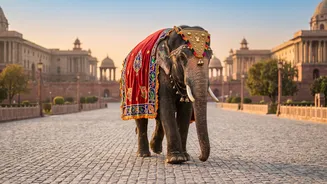
In Karnataka, Mysuru Dasara is a state festival, celebrated with royal pomp and pageantry that traces its origins back centuries. The entire city becomes a canvas of celebration, with the magnificent Mysore Palace illuminated by nearly 100,000 light bulbs. The festival is not just a visual spectacle; it's a cultural buffet. There are food festivals (Aahara Mela), classical music and dance concerts, traditional wrestling matches, and a sprawling exhibition that lasts for months. The highlight is the 'Jamboo Savari,' a grand procession on Vijayadashami featuring decorated elephants, camels, horses, and cultural floats.
Kullu’s Congregation of Deities
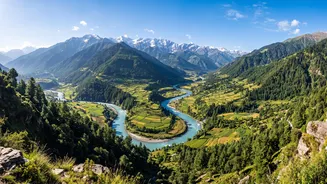
In the picturesque Kullu Valley of Himachal Pradesh, Dussehra begins when festivities in the rest of the country are concluding. The week-long International Kullu Dussehra festival is famous for its unique tradition where more than 200 village deities (devtas) are brought in ornate palanquins to the Dhalpur Maidan to pay respects to Lord Raghunath. The fair is a vibrant showcase of Himachali culture, where the sounds of traditional instruments like the dhol, nagara, and shehnai fill the air. It is also a massive market for local artisans, who sell woollen shawls, handcrafted jewellery, and other regional products. The event is a unique blend of folk religion, community gathering, and a thriving marketplace.
Bastar's Unique 75-Day Celebration
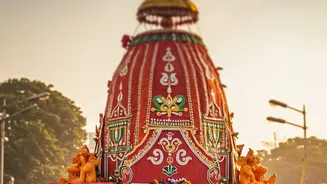
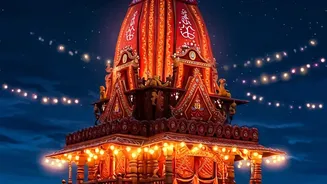
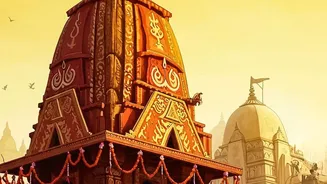
Perhaps the most unique Dussehra celebration takes place in the Bastar region of Chhattisgarh. Lasting for an incredible 75 days, it is considered one of the world's longest festivals. Crucially, it is not connected to the Ramayana narrative. Instead, the festival centres on the worship of Maa Danteshwari, the local presiding goddess, and the region's distinctive tribal traditions. Effigies of Ravana are not burned here. The festivities involve a series of complex rituals, a grand chariot procession built with traditional techniques, and the active participation of various tribal communities, making it a living showcase of indigenous cultural heritage.