



Prepare Your Viewing Station
The first step to successful stargazing is comfort. An uncomfortable observer won't last long, especially as the autumn chill sets in. Grab a reclining chair or a pile of cushions to avoid neck strain. A warm blanket and a flask of a hot beverage will
make the experience far more pleasant. Crucially, turn off all the lights on your balcony and, if possible, any indoor lights that spill outside. This single act dramatically improves what you can see.
Let Your Eyes Adapt to the Dark
One of the most essential tools for naked-eye astronomy is patience. Your eyes need time to adjust to the darkness. This process, known as dark adaptation, can take 20 to 30 minutes. During this period, the pupils widen and your retinas become more sensitive to faint light, gradually revealing more stars. Avoid looking at your phone screen, as the bright white light will instantly reset your night vision. If you need a light, use a red-light torch or a phone app with a red-light mode, as this colour is less disruptive to your night vision.
Use an App as Your Digital Guide
While the goal is to observe without a telescope, a modern smartphone can be your most powerful accessory. Countless stargazing apps can identify constellations, planets, and satellites in real-time. Simply point your phone at the sky, and the app will show you what you're looking at. Many have features that alert you to upcoming events like meteor showers or satellite passes. Just be sure to use the red-light or 'night mode' function to preserve that precious dark adaptation you worked so hard for.
Spot the Planets on Parade
October 2026 offers some fantastic planetary viewing. Saturn is a major highlight, reaching opposition early in the month on October 4. This means it will be visible for most of the night, rising around sunset as a steady, yellowish point of light. Early risers can spot bright Jupiter in the pre-dawn sky. While Venus and Mercury make brief appearances low on the western horizon after sunset early in the month, they can be tricky to spot from a balcony with an obstructed view. Unlike twinkling stars, planets shine with a steady, unwavering light, making them easier to distinguish.
Trace the Autumn Constellations
The autumn sky is filled with stories. Look for the prominent 'W' shape of Cassiopeia high in the northeast. Nearby, you can find the Great Square of Pegasus, which forms the body of the mythical winged horse. These patterns are large and bright enough to be visible even with some light pollution. Using your app to trace them for the first time is a rewarding experience, connecting you to the same sights our ancestors watched for millennia.
Catch a Glimpse of Halley's Comet
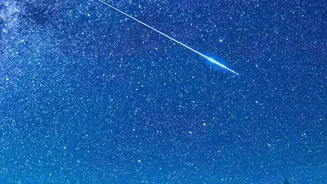
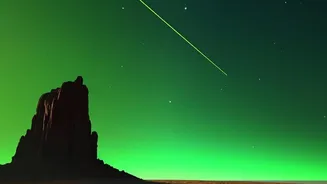
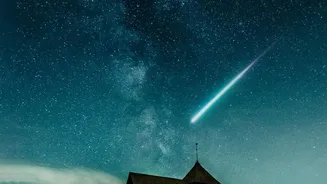
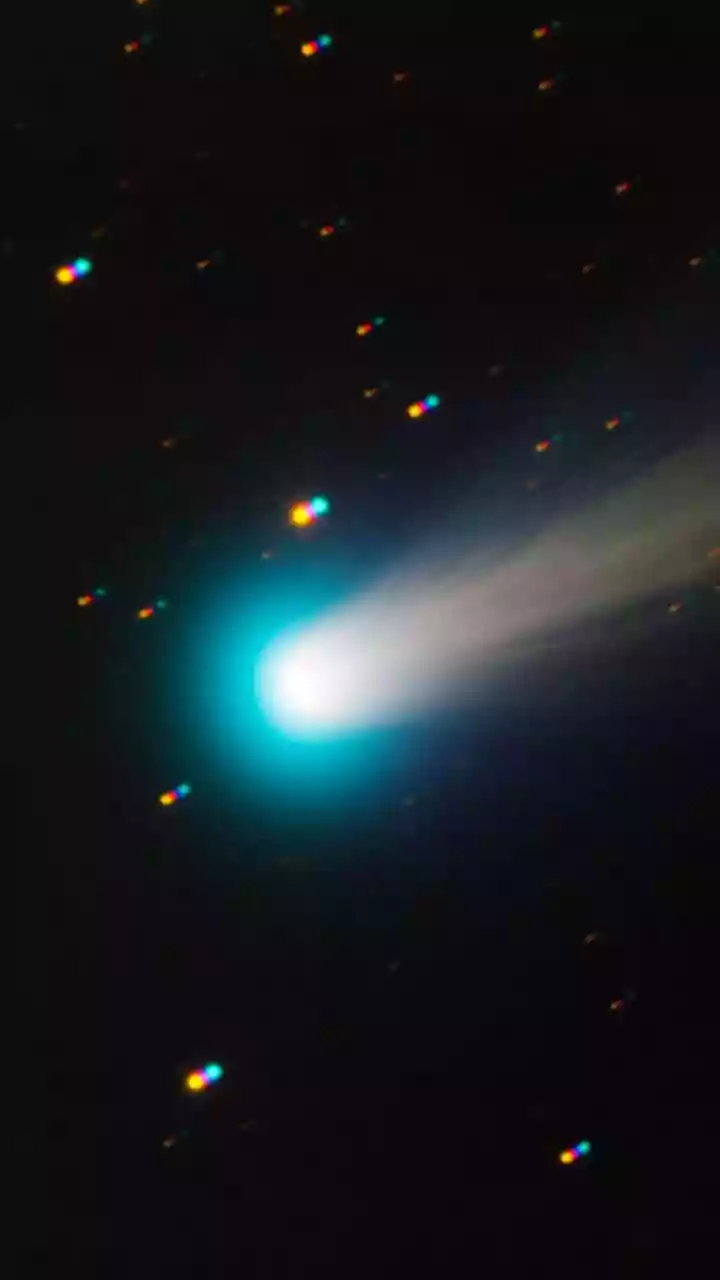
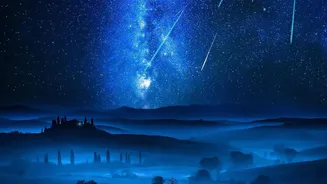
Well, not the comet itself, but its dusty leftovers. The Orionid meteor shower, active from early October to early November, is caused by Earth passing through the debris trail of the famous Halley's Comet. The shower is set to peak on the night of October 21-22. While a bright moon will interfere this year, the best time to watch will be in the dark hours before dawn after the moon has set. Find a dark spot, lie back, and look generally toward the constellation Orion. You might see as many as 15-20 fast, bright meteors per hour.