



The Green Wave: Matcha’s Ascent
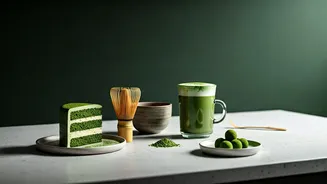
Not long ago, matcha was a niche wellness product, a bright green curiosity on the menus of high-end cafes in metro cities. Today, it’s a mainstream contender, with India's matcha market projected to grow at a compound annual growth rate (CAGR) of 8.6%.
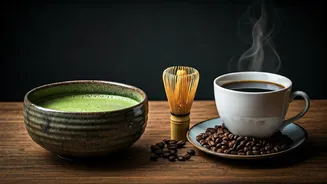
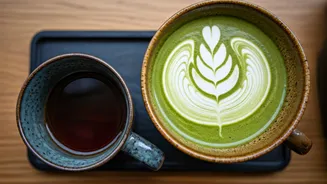
This growth is largely driven by urban millennials and Gen Z, who are drawn to matcha's dual promise of health and aesthetic appeal. Unlike traditional teas or coffee, matcha involves consuming the entire powdered leaf, which delivers a potent dose of antioxidants like EGCG. Its success is deeply intertwined with social media, where the ceremonial preparation and vivid colour make for shareable content, positioning it as a symbol of modern, mindful living. Major chains like Starbucks, Blue Tokai, and Third Wave Coffee have integrated matcha into their core menus, normalising it for a wider audience and cementing its place in the daily rituals of many young Indians.
The Comeback Kid: Filter Coffee’s Renaissance
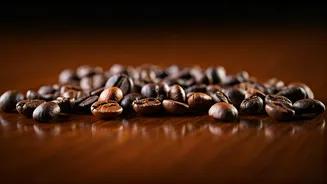
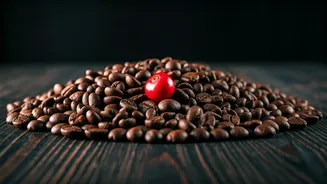
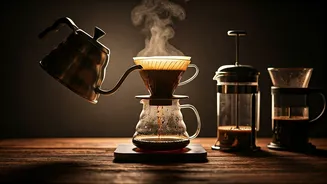
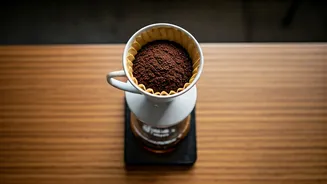
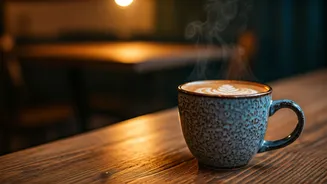
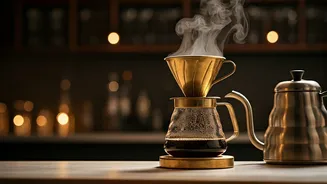
While matcha represents the new, filter coffee embodies a powerful revival. Once dominated by instant coffee, India's market is experiencing a specialty coffee revolution. This transformation, often called the "third wave," is marked by a renewed appreciation for artisanal brewing methods, single-origin beans, and the nuanced flavours of a well-made cup. The Indian specialty coffee market is booming, with its value forecast to double by 2030. This isn't just about the traditional South Indian filter *kaapi*; it's about a broader movement embracing everything from pour-overs to cold brews. This revival is fuelled by a new generation of Indian roasters and cafe entrepreneurs who are experimenting with local beans from estates in Coorg and Chikmagalur, creating unique flavour profiles that resonate with a discerning audience. For many, coffee is not just a functional beverage but a cultural touchstone, an experience-led ritual that connects them to a rich heritage.
The Health and Energy Showdown
The choice between matcha and coffee often comes down to their perceived health benefits and the kind of energy they provide. Matcha is celebrated for containing L-theanine, an amino acid that promotes a state of calm focus and works with caffeine to provide a sustained energy boost without the infamous coffee 'jitters' or crash. It's also packed with antioxidants, which are linked to reducing inflammation and protecting the body from oxidative stress. On the other hand, coffee is a rich source of different antioxidants, namely chlorogenic acids, which are associated with a reduced risk of several diseases. A typical cup of coffee contains more caffeine than matcha (around 95mg vs. 70mg), offering a more immediate and robust energy spike. Proponents of South Indian filter coffee also point to the addition of chicory, which contains prebiotic fibre beneficial for gut health and can help slow caffeine absorption for a smoother release of energy.
The Verdict from the Indian Café Scene
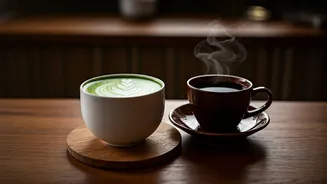
So, who is actually winning? The answer isn't a simple knockout. Both beverages are thriving because they cater to different, yet sometimes overlapping, consumer desires. Matcha's growth is rapid, nearly double the pace of the broader Indian tea market, tapping into a global wellness trend and the visual economy of social media. Simultaneously, the specialty coffee market is expanding at an impressive clip, with a projected CAGR of around 11.5%, driven by a desire for authenticity, craft, and premium experiences. International and homegrown cafe chains are expanding aggressively into Tier-2 and Tier-3 cities, indicating that the appetite for quality beverages is growing nationwide. Rather than one replacing the other, the rise of both matcha and sophisticated coffee points to a maturing Indian consumer who is more intentional, health-conscious, and willing to pay for high-quality, experience-led products.