
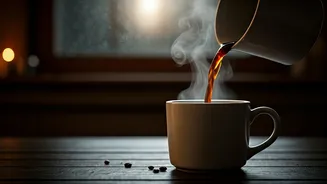


Coffee’s Enduring Reign
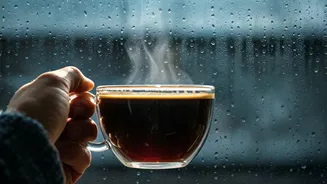
In India, coffee is more than just a beverage; it’s a cultural institution. From the legendary tale of Baba Budan smuggling seven coffee beans into the country in the 17th century to the sprawling plantations in Karnataka, Kerala, and Tamil Nadu, coffee’s
roots run deep. For generations, South Indian households have woken up to the ritual of preparing filter ‘kaapi’. More recently, a “third wave” coffee movement has swept across the country. Urban centres like Mumbai, Delhi, and Bengaluru are now dotted with specialty coffee shops and roasteries that treat coffee with artisanal reverence. These cafes have become the new 'third places'—somewhere between home and work—for a growing middle class to socialise, work, and connect. This booming cafe culture, which has made coffee a symbol of modern lifestyle and affluence, shows no signs of slowing down.
The Challenger: Matcha's Wellness Halo
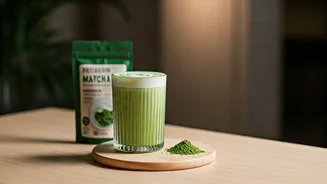
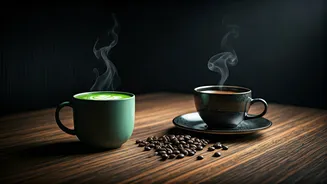
Enter matcha, the vibrant, emerald-green powder that has captured the imagination of health-conscious consumers worldwide. Unlike regular green tea where leaves are steeped, with matcha, you consume the entire leaf, ground into a fine powder. This means you get a concentrated dose of its famed benefits. Its popularity in India is surging, driven by Millennials and Gen Z who are drawn to its wellness credentials and global appeal. Matcha is rich in antioxidants, particularly EGCG (epigallocatechin gallate), which is linked to boosting metabolism and focus. It also contains L-theanine, an amino acid that promotes a feeling of calm alertness, providing sustained energy without the jitters or crash sometimes associated with coffee. This promise of “clean energy” is a significant draw for those looking for alternatives to more intense stimulants.
A Duel of Taste and Tradition
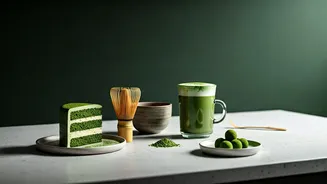
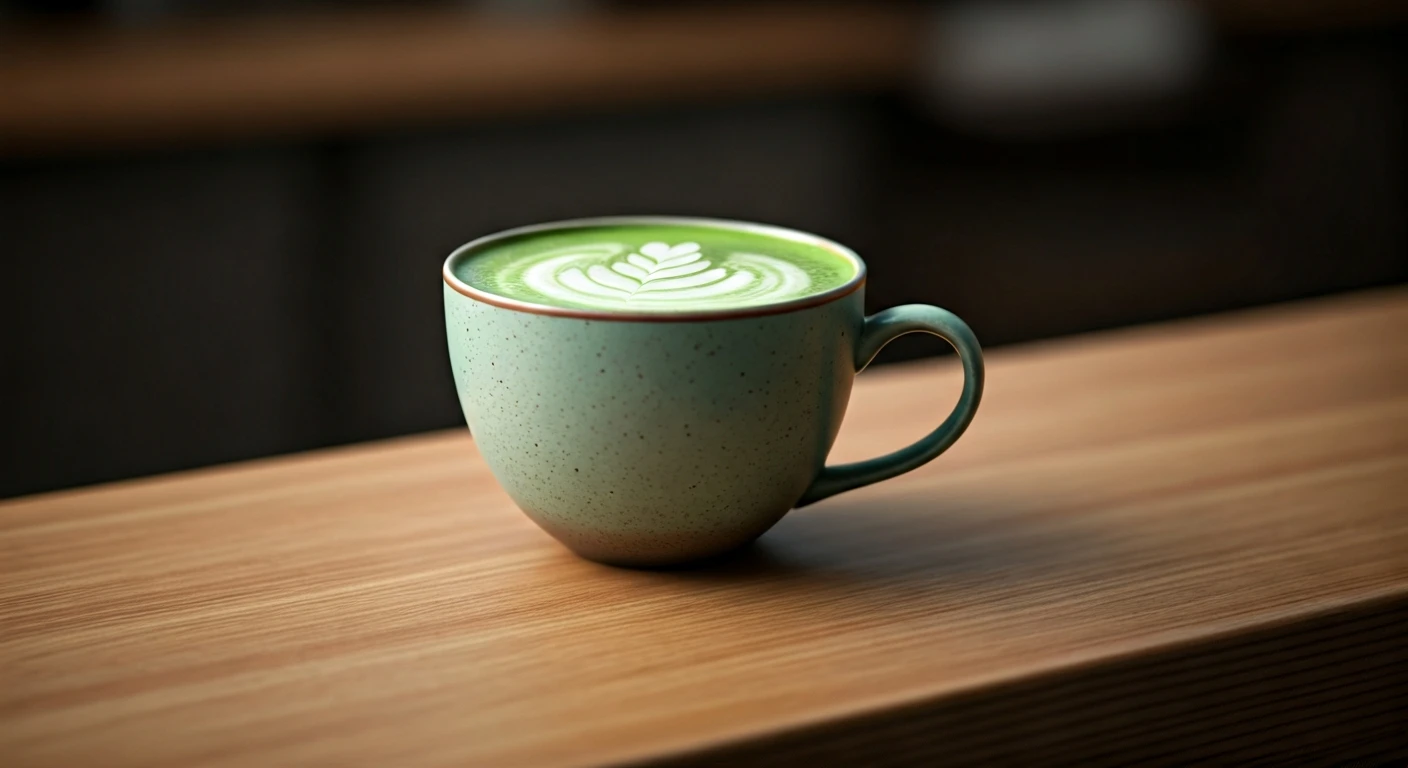
The fundamental difference lies in the cup. Coffee offers a familiar, robust, and often bitter flavour profile that many Indians have grown up with. Matcha, on the other hand, presents a more complex, acquired taste. Its flavour is often described as earthy, grassy, and umami—a savoury note that can be surprising to a palate accustomed to sweeter beverages. While the ritual of making filter coffee is a cherished daily habit in many homes, preparing traditional matcha requires a specific bamboo whisk and bowl, adding a layer of ceremony that can be both appealing and intimidating. To bridge this gap, Indian cafes are getting creative, introducing fusion drinks like matcha chai lattes, strawberry matcha, and even a smoky matcha aam panna to make the flavour more accessible.
The Price Point Problem
One of the most significant hurdles for matcha’s mainstream adoption in India is its price. High-quality, ceremonial-grade matcha, typically imported from Japan, is a premium product. In India, real culinary-grade matcha can cost between ₹600–₹900 for just 30 grams, while ceremonial grade can be upwards of ₹1,200–₹2,500. This makes a single cup of matcha made at home significantly more expensive than a cup of chai or instant coffee. A matcha latte at a trendy cafe in Bengaluru could set you back ₹350–₹450. While the market is growing, its high cost currently positions matcha as a luxury or wellness investment rather than an everyday beverage for the average consumer.
The Verdict: Coexistence Over Conquest
Ultimately, the narrative of matcha versus coffee in India is not a zero-sum game. Matcha is not poised to dethrone coffee or chai from their cultural pedestals. Instead, it is carving out its own distinct and valuable niche. Its growth reflects a broader evolution in the Indian consumer landscape, where there is a growing appetite for new, health-oriented, and globally-influenced products. The Indian matcha market is projected to grow at a compound annual growth rate (CAGR) of 8.6%, reaching approximately USD 167 million by 2030. Cafes are reporting a steady increase in demand, not as a replacement for coffee, but as an alternative that offers a different experience—one tied to wellness, mindfulness, and aesthetic appeal.