
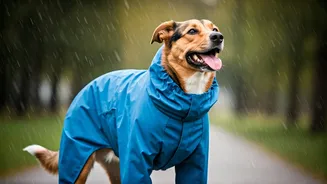



Decoding Monsoon Anxiety
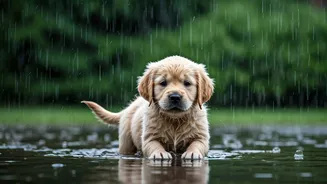
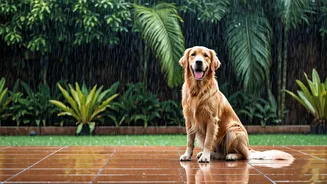
One of the most noticeable changes in pets during the monsoon is an increase in anxiety, especially during thunderstorms. This isn't just a simple fear of loud noises. Dogs, with their sensitive hearing, can often detect low-frequency rumbles of thunder long
before we can. Furthermore, they can sense changes in barometric pressure and static electricity in the air, which can be unsettling. The build-up of static in their fur can even cause uncomfortable little shocks, making them seek out spaces where they feel more grounded. This combination of sensory overload—the loud cracks of thunder, flashes of lightning, and atmospheric shifts—can trigger stress responses like panting, shaking, hiding, or excessive barking.
The Health Risks of High Humidity
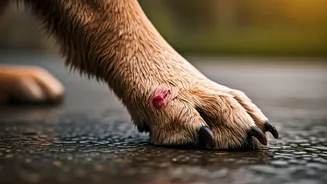
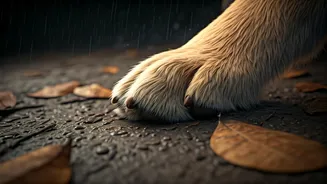
The constant dampness and high humidity are a major challenge during the monsoon, creating a perfect breeding ground for bacteria and fungi. This leads to a spike in skin infections, hot spots, and ear infections, especially for dogs. A coat that remains even slightly damp can quickly lead to problems. Paws are particularly vulnerable. Constant exposure to wet surfaces softens the skin, making it prone to inflammation and infection between the toes. Parasites like ticks and fleas also thrive in this weather, increasing the risk of diseases they carry.
Essential Grooming and Paw Care
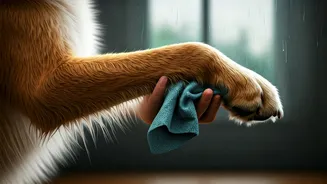
Your grooming routine needs to adapt to the season. The number one rule is to keep your pet as dry as possible. After every walk, even a short one, thoroughly towel-dry your pet, paying special attention to their paws, underbelly, and any skin folds. For dogs with thick coats, a blow dryer on a low, cool setting can be a lifesaver. Paw care is non-negotiable. Wash and dry their paws after they come inside to remove mud and potential germs from puddles. Keeping the fur between their paw pads trimmed can also reduce the amount of mud that gets trapped.
Keeping Them Active Indoors
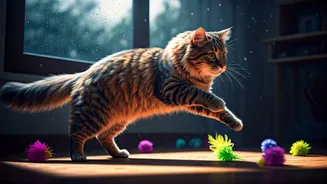
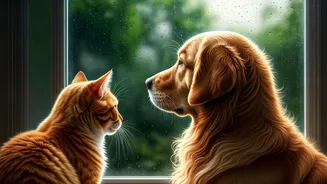
With walks and outdoor time severely restricted, pent-up energy can lead to restlessness and destructive behaviour. It's crucial to substitute outdoor exercise with indoor engagement. For dogs, simple games like hallway fetch with a soft toy, tug-of-war, or hiding treats for them to find can burn off energy. Puzzle toys and food-dispensing feeders are excellent for providing mental stimulation. Cats also benefit from interactive play. Using feather wands or laser pointers to mimic hunting can keep them active and engaged. Even simple things like cardboard boxes can provide hours of entertainment.
Diet and Hydration Adjustments
Just like us, a pet's appetite and digestion can change with the weather. The reduced activity levels may mean they require slightly lighter meals. However, the primary focus should be on hygiene and immunity. Ensure your pet always has access to fresh, clean drinking water. Never let them drink from puddles or stagnant water, which can be teeming with harmful bacteria and lead to gastrointestinal issues like diarrhoea and vomiting. High humidity also causes food to spoil faster, so avoid leaving wet or home-cooked meals out for too long. To support their immune system during this challenging season, ensure their diet is balanced and nutritious.
Creating a Safe Space
For pets anxious about storms, creating a 'safe den' is key. This could be a crate covered with a blanket, a spot in a quiet closet, or a cosy bed in a room where the storm's sounds are muffled. Closing curtains can help block out flashes of lightning, while playing soothing music or turning on the TV can mask the sound of thunder. It’s important for you to remain calm, as your pet will look to you for cues. Reassuring them with your presence can make a significant difference in managing their fear.