




From Bumpy Roads to Smooth Expressways
Not long ago, the idea of a family road trip conjured images of bone-rattling journeys, unexpected delays, and logistical challenges. Today, that narrative is being completely rewritten. India is in the midst of an unprecedented infrastructure boom, led
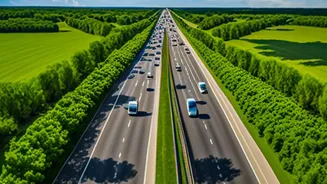
by ambitious projects like the Bharatmala Pariyojana. This initiative is weaving a web of economic corridors, expressways, and national highways across the country. The National Highway network has expanded significantly, growing from about 91,000 kilometres in 2014 to over 146,000 kilometres. The crown jewel of this expansion is the nearly complete Delhi-Mumbai Expressway, a 1,350-km marvel that slashes travel time between the two metros from 24 hours to just 12. This isn't just about connecting big cities; it's about making the entire country more accessible.
The Rise of the 'Drivecation'
This new era of smooth connectivity has given birth to the “drivecation”—a holiday where the journey is as much a part of the experience as the destination. For journeys between 200 and 600 kilometres, driving is increasingly seen as a more attractive option than dealing with the costs and hassles of short-haul flights. Data shows a significant shift in travel behaviour, with a surge in short trips under two days, perfect for weekend getaways. This trend is particularly popular among younger travellers and families. Gen Z now accounts for a significant portion of road travellers, favouring flexible plans and off-beat locations. There's also a growing preference for larger vehicles like SUVs, indicating a rise in group and family travel.
New Routes, New Discoveries
While classic routes like Mumbai-Pune and Delhi-Agra remain popular, the real growth story is happening on regional routes connecting Tier-2 and Tier-3 cities. Improved highways are unlocking new destinations for leisure, pilgrimage, and cultural tourism. Corridors like Ahmedabad-Vadodara, Bengaluru-Mysuru, and Delhi-Dehradun are seeing some of the fastest growth in road travel. This expansion brings previously hard-to-reach areas into the fold. For instance, the Bharatmala corridor in Odisha is expected to transform the tribal district of Koraput into a major tourist hub by improving access to its scenic reservoirs and rich cultural heritage. Travellers are discovering that the open road now leads to authentic local experiences far from the crowded tourist trails.
An Ecosystem on the Move
The highway boom is fuelling more than just cars; it's creating a vibrant ecosystem of services along these routes. The National Highways Authority of India (NHAI) is developing hundreds of Wayside Amenities (WSAs) every 40-60 kilometres. These are not just basic dhabas. The modern WSA includes clean restrooms, food courts with diverse cuisines, fuel stations with EV charging points, medical clinics, and even 'village haats' for local artisans to sell their products. This focus on creating a comfortable and safe travel experience extends to ensuring support during breakdowns, with a push for more vehicle repair shops along highways. This infrastructure transforms a long drive from an endurance test into a pleasant journey.
The Road Ahead for Indian Travel
The impact of this highway network extends deep into the economy of small-town India. Better connectivity allows farmers and local producers to reach larger markets and empowers artisans by giving them direct access to travellers. The development is not just about leisure; it's about creating economic corridors that spur industrial growth and employment. As more expressways become operational and amenities continue to improve, the road trip is set to become even more integral to the Indian travel experience. It represents a fundamental shift in how a new generation connects with the vastness and diversity of their own country, one smooth, well-paved kilometre at a time.