






An Immunity Boost in Every Sip
The monsoon brings much-needed relief from the heat, but it also brings a spike in seasonal colds, coughs, and fevers. This is where Tulsi, or Holy Basil, truly shines. Revered in Ayurveda for centuries as the “Queen of Herbs,” Tulsi is a powerhouse of wellness.
It’s classified as an adaptogen, which means it helps the body adapt to stress and maintain balance. More importantly for the season, it’s packed with antimicrobial, antiviral, and anti-inflammatory properties. A warm cup of Tulsi chai is traditionally believed to soothe a sore throat, clear respiratory congestion, and bolster the body's natural defences. As we become more conscious of building natural immunity, turning to a time-tested remedy like Tulsi chai feels both smart and intuitive.
The Ultimate Comfort Beverage
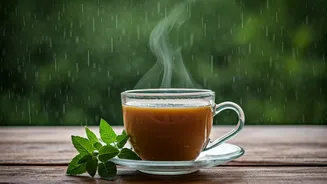
There's an undeniable emotional connection between a rainy day and a hot beverage. Tulsi chai elevates this experience. The flavour profile is unique—less pungent than ginger, but with a warm, slightly peppery, and clove-like aroma that instantly feels grounding. When brewed with milk, cardamom, and a hint of sweetness, it transforms into a hug in a mug. The act of preparing and sipping this aromatic brew becomes a small, mindful ritual. It’s a moment of calm that cuts through the gloom of a grey, rainy afternoon, making it the perfect companion for watching the rain from your window or curling up with a good book.
Wellness Culture Meets Tradition
The global wellness movement has put a major focus on natural ingredients, ancient remedies, and mindful consumption. Tulsi chai sits perfectly at the intersection of these values. For a generation tired of processed foods and synthetic solutions, embracing something as pure and traditionally significant as Tulsi is a powerful statement. It represents a return to roots and an appreciation for the knowledge passed down through generations. Unlike fleeting superfood fads from across the world, Tulsi is deeply embedded in Indian culture, found in courtyards and balconies of countless homes. Its resurgence isn't an import; it's a homecoming.
The Instagram-Ready Aesthetic
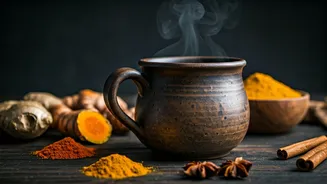
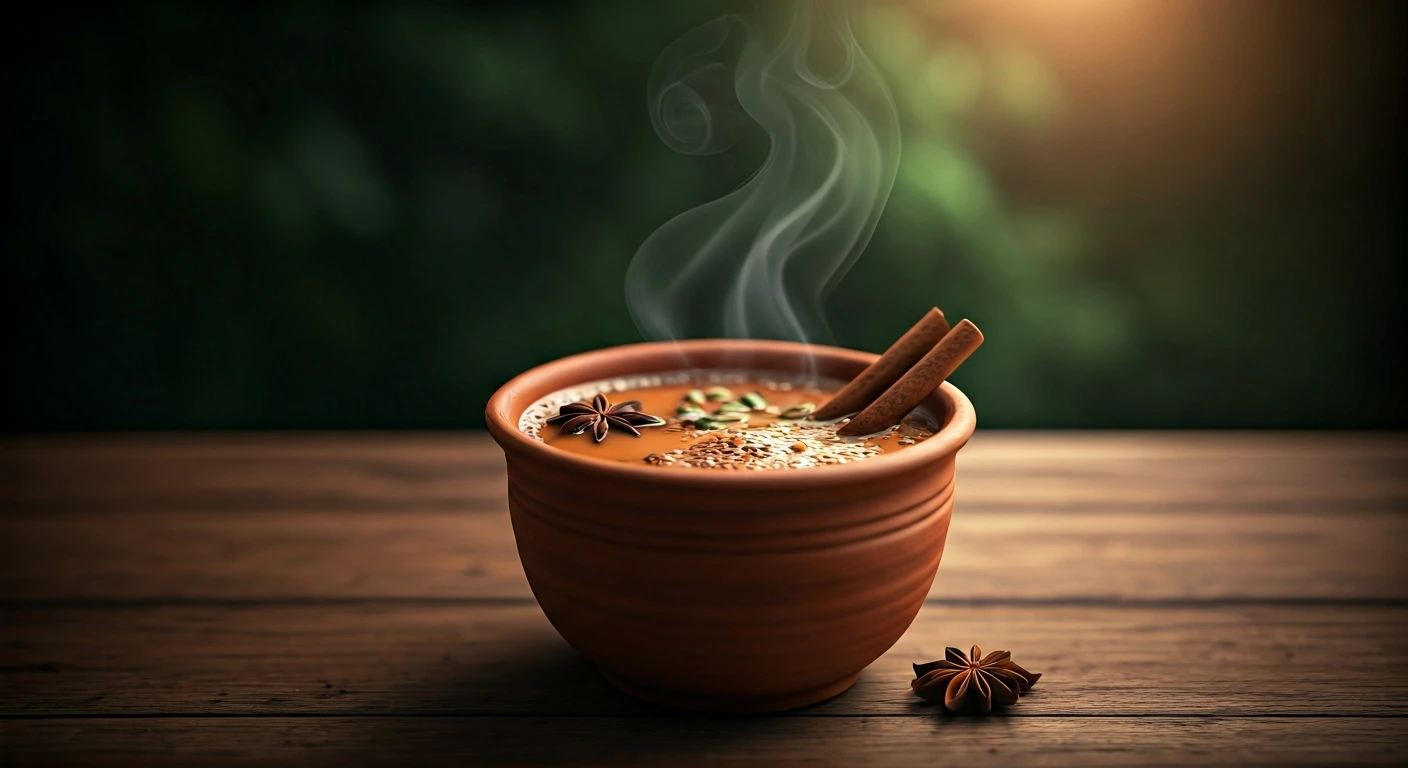
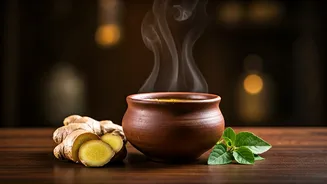
Let's be honest: in today's world, a trend isn't a trend until it's on social media. Tulsi chai, with its rich colour and comforting vibe, is incredibly photogenic. Cafe menus now proudly highlight their ‘Artisanal Tulsi Chai’ or ‘Ayurvedic Wellness Brew.’ Influencers and food bloggers post beautifully styled shots of steaming cups against rain-streaked windows, often accompanied by captions about self-care and seasonal wellness. This visual appeal has played a huge role in introducing Tulsi chai to a younger, urban audience that might not have grown up with it as a household staple, effectively giving this ancient herb a modern, trendy makeover.
Simple to Make, Easy to Love
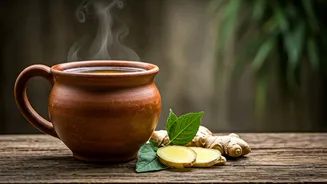
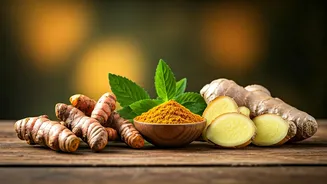
Perhaps the most significant reason for its popularity is its accessibility. You don’t need fancy equipment or hard-to-find ingredients to enjoy a perfect cup. The classic preparation is simple: just add a few fresh or dried Tulsi leaves to your regular pot of chai while it’s brewing. For a more direct experience, you can create a simple Tulsi infusion. Here’s a quick guide: 1. Bring 1.5 cups of water to a boil. 2. Add 8-10 fresh Tulsi leaves (or 1 teaspoon of dried Tulsi). 3. Add a small piece of crushed ginger and 1-2 crushed cardamom pods (optional). 4. Let it simmer for 5-7 minutes. 5. Strain the tea into a cup. Add a splash of milk and sweetener like jaggery or honey to taste.