




What Are Compression Cubes?
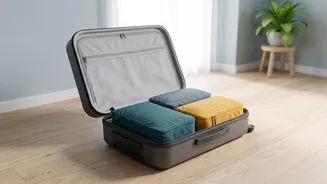
At first glance, compression packing cubes look like regular packing cubes: small, zippered fabric pouches used to organize clothes within a suitcase. The key difference is an additional, secondary zipper. While a standard cube primarily offers organization,
a compression cube is designed to reduce volume. After you fill the cube and close the main zipper, you then zip the second, outer zipper. This cinches the cube, squeezing out excess air and making the entire package significantly flatter and more compact. This simple mechanism turns soft, puffy items into dense, manageable blocks.
The Two Main Benefits: Space and Order
The most obvious advantage of using compression cubes is the remarkable amount of space they save. By forcing air out, they are particularly effective for bulky items like puffer jackets, fleece sweaters, jeans, and towels. This can free up anywhere from 20% to 50% of your luggage volume, potentially allowing you to travel with a smaller, cabin-approved bag and avoid checked baggage fees. Beyond just saving space, these cubes bring a new level of organization to your suitcase. You can categorize your packing—tops in one cube, bottoms in another, and undergarments in a third—transforming your luggage into a tidy set of drawers. This makes finding specific items easier without having to rummage through your entire bag.
Potential Downsides to Consider
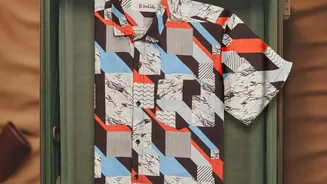
Despite their benefits, compression cubes aren't without drawbacks. The most significant is that they can cause wrinkles, especially in delicate or easily creased fabrics like linen, silk, or dress shirts. The tight compression that saves space is the very thing that can embed creases into your clothes. For this reason, many travellers use a hybrid approach: compression cubes for casual, bulky clothing and regular packing cubes for formal or wrinkle-prone items. Another crucial point is that compression cubes save space, not weight. That perfectly compressed cube of sweaters still weighs the same. It can be tempting to use the extra space to pack more, which puts you at risk of exceeding airline weight limits. Always weigh your bag before heading to the airport.
How to Pack Like a Pro
To get the most out of your compression cubes, a few techniques go a long way. For most clothing items like t-shirts and trousers, rolling them tightly before placing them in the cube is the most effective method. Rolling helps minimize sharp creases and allows you to fit more into each cube. For very bulky items like sweatshirts, neatly folding them can work just as well. Pack the cube as evenly as possible, then close the main zipper before slowly and carefully closing the compression zipper. Don't overfill the cubes, as this can put strain on the zippers and seams. A well-filled cube will compress more evenly and effectively than one that is either half-empty or bursting at the seams. When arranging the compressed cubes in your suitcase, place the heavier ones near the bottom of the bag to keep it balanced and prevent it from tipping over.
Are They Right for Your Travels?
Whether compression cubes are worth it depends entirely on what and how you pack. If your travels often involve cold weather and bulky layers, they can be a game-changer, allowing you to fit everything into a carry-on. For backpackers and those who prioritize packing light, the space optimization is invaluable. However, if you primarily pack business attire or delicate fabrics, the risk of wrinkles might outweigh the space-saving benefits. A good strategy is to start with a mixed set of both regular and compression cubes. Use the compression cubes for your sweaters, workout clothes, and socks, while keeping your nicer outfits protected in standard packing cubes.