

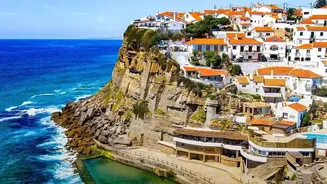
Paraty: Colonial Port on the Green Coast
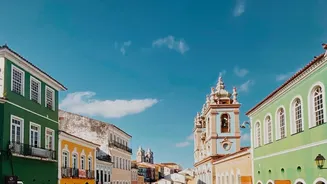
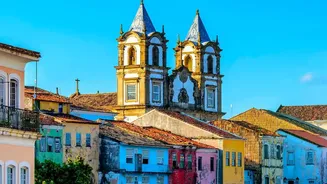
Nestled between the mountains and the sea on the Costa Verde, Paraty is a perfectly preserved Portuguese colonial town that feels like a step back in time. Its car-free, cobblestone streets are lined with whitewashed buildings adorned with colourful doors
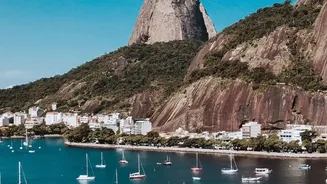
and windows. Historically, Paraty was a crucial port during the 18th-century Gold Rush, funnelling riches from Minas Gerais to Portugal. This past is etched into its architecture and the very layout of the town, which was designed to flood with the high tide for cleaning. But its cultural allure is matched by its natural setting. The town is a gateway to the protected Atlantic Forest, with boat trips leading to dozens of secluded islands and beaches with crystal-clear water for swimming and snorkelling. You can hike to hidden waterfalls in the surrounding jungle or simply enjoy the lush, green mountains that plunge directly into the bay, making Paraty a perfect blend of history and ecological wonder.
Chapada Diamantina: Diamond-Rush Highlands
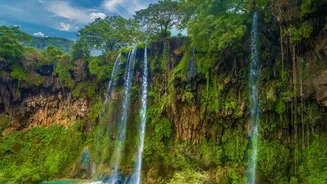
Located in the heart of Bahia, Chapada Diamantina National Park is a paradise for hikers and adventurers. The name, meaning 'Diamond Plateau,' comes from the diamond rush that swept through the region in the mid-19th century, leaving behind charming, colourful mining towns like Lençóis. Today, these historic towns serve as basecamps for exploring the park’s dramatic landscapes. The scenery is defined by towering, flat-topped mountains called 'tepuys,' vast canyons, and a seemingly endless network of rivers and waterfalls. Treks range from short hikes to iconic viewpoints like Pai Inácio Hill to multi-day journeys through the remote and stunning Vale do Pati, where hikers can stay with local families. One of the park's most famous sights is the Cachoeira da Fumaça, or Smoke Waterfall, one of Brazil's highest, where the water often vaporizes into a cloud of mist before hitting the ground. This region offers a direct line from its rugged mining past to its present as a hub for ecotourism and natural exploration.
Serra da Capivara: A Prehistoric Art Gallery
For a truly profound journey into human history, Serra da Capivara National Park in Piauí is unparalleled. This UNESCO World Heritage site holds the largest and oldest concentration of prehistoric rock art in the Americas. Discovered in the 1970s, the park contains thousands of paintings across hundreds of rock shelters, with some art estimated to be over 25,000 years old. These ancient artworks depict complex scenes of daily life, including hunting, dancing, and ceremonies, providing an invaluable window into the continent's earliest human communities. The cultural significance of Serra da Capivara is set against the backdrop of the Caatinga, a unique semi-arid biome characterized by scrub forest and specially adapted wildlife. Visiting the park is an experience that combines archaeology with the stark beauty of Brazil's northeastern hinterland. Well-maintained trails and a modern museum help bring the stories on the rock walls to life, connecting visitors to a history that challenges conventional theories of human settlement in the Americas.
Inhotim: Where Art and Nature Converge
In the state of Minas Gerais lies Inhotim, one of the world's largest open-air contemporary art museums, seamlessly integrated into a breathtaking botanical garden. This unique destination is not just a gallery but a sprawling 140-hectare landscape where art installations by renowned international and Brazilian artists are discovered amidst lush gardens, lakes, and forests. Founded by a private collector and opened to the public in 2006, Inhotim offers a one-of-a-kind experience. Visitors wander through meticulously curated grounds that feature over 4,300 plant species from across the globe, including many rare and endangered varieties. The art itself is often site-specific, designed to interact with its natural surroundings. Pavilions dedicated to single artists allow for deep, immersive experiences. Inhotim is a testament to the power of combining human creativity with the beauty of the natural world, functioning as a center for art, environmental conservation, and education.
Ilha do Mel: A Car-Free Ecological Sanctuary
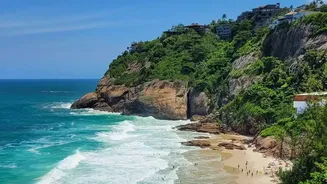
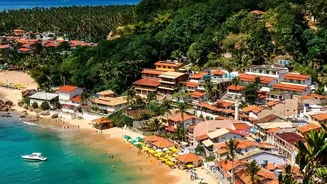
Off the coast of Paraná, Ilha do Mel, or 'Honey Island,' is a rustic and tranquil escape that strictly limits human impact to preserve its natural beauty. The island is a protected ecological station where no cars are allowed; travel is done solely on foot via sandy trails or by boat. This commitment to conservation has kept its beaches pristine and its Atlantic Forest thriving. But beyond its raw nature, the island holds significant historical sites. On one end stands the Fortaleza de Nossa Senhora dos Prazeres, an 18th-century Portuguese fort built to guard the entrance to Paranaguá Bay. On another, the Farol das Conchas lighthouse, built in 1872, offers panoramic views of the coastline. The island is divided into a few small villages, like Nova Brasília and Encantadas, each with a laid-back atmosphere. It's a destination for those who want to disconnect and enjoy simple pleasures: surfing on unspoiled beaches, hiking through lush forests, and exploring a piece of Brazil's coastal history.