







The Promise of a Produce Calendar
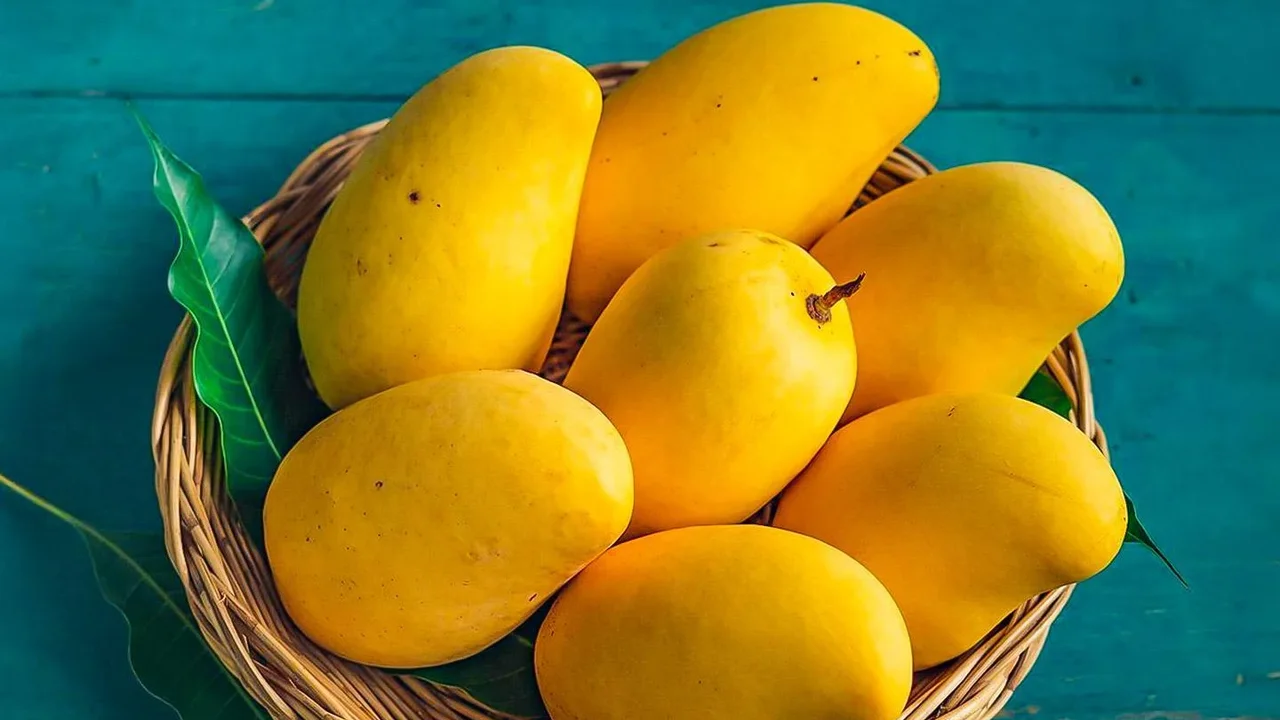
A regional produce calendar is a guide that maps out which fruits and vegetables are at their peak harvest in a specific area at a particular time of year. It’s a tool rooted in generations of agricultural wisdom, aligning our diets with nature's cycles.
In a country as vast and climatically diverse as India, a single national calendar is a myth; what’s in season in Maharashtra might be weeks away from ripening in Punjab. The benefits of following such a calendar are immense. Produce picked at its natural peak is more flavourful and packed with nutrients, like higher Vitamin C. It supports better digestion, boosts immunity, and naturally introduces variety into our diets. Economically, it means buying abundant, affordable produce while supporting local farmers and reducing the environmental footprint associated with cold storage and long-distance transport.
The Forgotten Harvest
The problem is that our modern idea of “regional produce” has become dangerously narrow. Driven by market demand, government incentives, and the efficiencies of large-scale farming, agriculture has increasingly focused on a handful of high-yield crops. This practice, known as monoculture, prioritises staples like rice, wheat, and a few commercially popular vegetables, while pushing hundreds of indigenous and traditional varieties to the margins. These overlooked crops—hardy millets, unique local greens, and climate-resilient tubers—are often ignored by large supply chains. Farmers find it more profitable and less risky to grow what the market consistently buys, even if it means abandoning crops that are better suited to their local soil and climate. The result is a food system that offers the illusion of choice while actually reducing biodiversity.
The Ripple Effect of Neglect
When we overlook these regional heroes, the disruption to creating a true produce calendar is significant. A calendar that only features mainstream produce is incomplete and fails to represent the region's actual agricultural wealth. This has several negative consequences. Firstly, it leads to a loss of biodiversity. When farmers stop cultivating diverse crops, those varieties can disappear, along with the unique culinary traditions tied to them. Secondly, it harms soil health. Monocropping depletes soil of specific nutrients, requiring more chemical fertilizers, whereas crop diversity naturally replenishes the soil. Thirdly, it makes our food system more vulnerable. A system dependent on just a few crops is more susceptible to failure from climate change, pests, or disease. For consumers, it means missing out on a wide range of flavours and nutrients that these forgotten foods offer.
Rediscovering India's Bounty
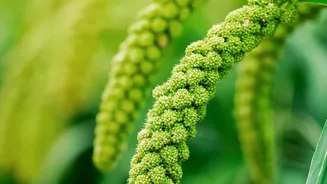
Across India, a treasure trove of produce is waiting to be rediscovered. Think of the moringa (drumstick) leaves, packed with nutrients but often overshadowed by spinach. Or consider the variety of gourds that thrive during the monsoon, from ridged to bitter, each offering unique health benefits. There are also indigenous millets like foxtail and barnyard, which are far more water-efficient and climate-resilient than wheat or rice. Many regions have their own unique berries, roots, and leafy greens that have been part of traditional diets for centuries but rarely make it to urban supermarkets. A truly representative produce calendar would celebrate these items, telling us when to look for fresh turmeric in one season and tart jamun in another.
How to Build a Better Calendar
Building an more inclusive produce calendar isn't just a task for agricultural departments; it’s a grassroots movement that consumers can lead. The first step is to become more curious. When you visit your local mandi or farmer's market, ask vendors about unfamiliar vegetables. They can often tell you not only what something is but also how to cook it. Supporting vendors who stock a diverse range of produce sends a clear market signal. You can also join a Community Supported Agriculture (CSA) program, which delivers a box of seasonal, locally sourced produce directly from farms, often including lesser-known varieties. By planning meals around what's fresh and available, rather than seeking out the same few items year-round, we can collectively create demand for a more diverse and resilient food system.