




The Asana: A Gateway, Not the Goal
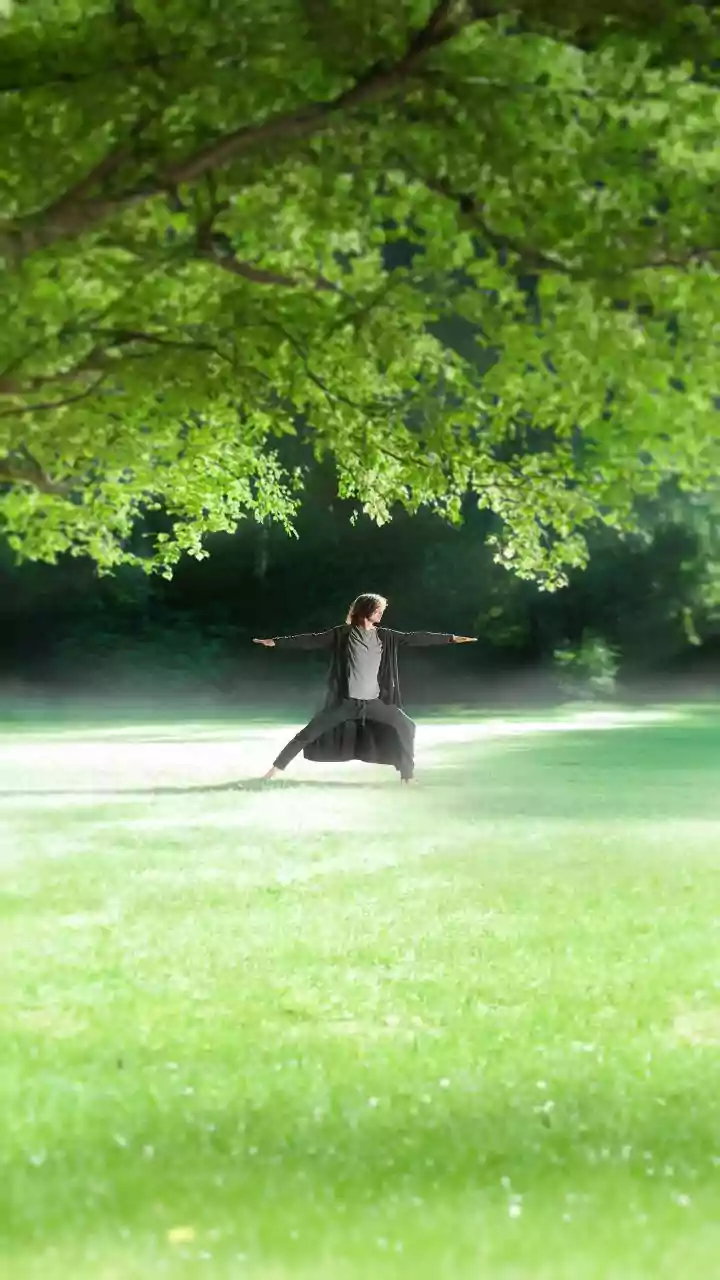
For many, the journey into yoga begins on the mat. We learn to stretch, balance, and build strength through various postures, or asanas. The physical benefits are undeniable: improved flexibility, stronger muscles, and better posture. In a world where
we spend hours hunched over desks and screens, this physical release is a powerful draw. However, the ancient sages who developed yoga viewed the asanas not as an end in themselves, but as a preparatory step. The purpose of building a strong and stable body is to enable it to sit comfortably for longer periods in meditation, quieting the physical restlessness that so often distracts the mind. The poses are designed to purify the body and nervous system, making it a fit vessel for a deeper inner journey.
The Ethical Foundation: Yamas and Niyamas
Long before you even step on a mat, the practice of yoga begins with its ethical principles. Patanjali’s Yoga Sutras outline the Eight Limbs of Yoga, and the first two are the Yamas (moral restraints) and Niyamas (personal observances). These are the foundational rules for how we interact with the world and with ourselves. The Yamas include principles like *Ahimsa* (non-violence in thought, word, and deed), *Satya* (truthfulness), and *Asteya* (non-stealing). The Niyamas guide our personal conduct through practices like *Saucha* (cleanliness of body and mind), *Santosha* (contentment), and *Svadhyaya* (self-study). Without this ethical groundwork, the practice of asanas can become just another form of physical ego. These principles are what transform a physical exercise into a holistic way of life.
The Power of Breath: Pranayama
The third limb, Pranayama, is the control and extension of *prana*, or life force energy, through the breath. In our busy, often stressful lives, our breathing tends to become shallow and erratic. Pranayama techniques teach us to breathe deeply, slowly, and consciously. This has a direct and immediate impact on our nervous system. A few minutes of focused breathing can shift us from a state of 'fight or flight' (sympathetic nervous system) to 'rest and digest' (parasympathetic nervous system). It calms anxiety, improves focus, and bridges the gap between the physical body and the thinking mind. Pranayama is the tool that allows us to manage our energy and our emotional state, proving that how we breathe is just as important as how we move.
Turning the Senses Inward
The next stages of yoga guide us from the external world to our internal landscape. *Pratyahara*, the fifth limb, is the practice of withdrawing the senses. In our hyper-stimulated world, our senses are constantly pulled outward by notifications, noise, and endless distractions. Pratyahara is not about shutting down the senses, but about consciously unhooking our attention from them, allowing the mind to turn inward without distraction. This leads to *Dharana*, or concentration, where we learn to focus the mind on a single point, like the breath or a mantra. This is the training ground for meditation, building the mental muscle needed to stay present. It is the antidote to the scattered, fragmented attention that defines much of modern life.
The Path to Inner Peace: Dhyana and Samadhi
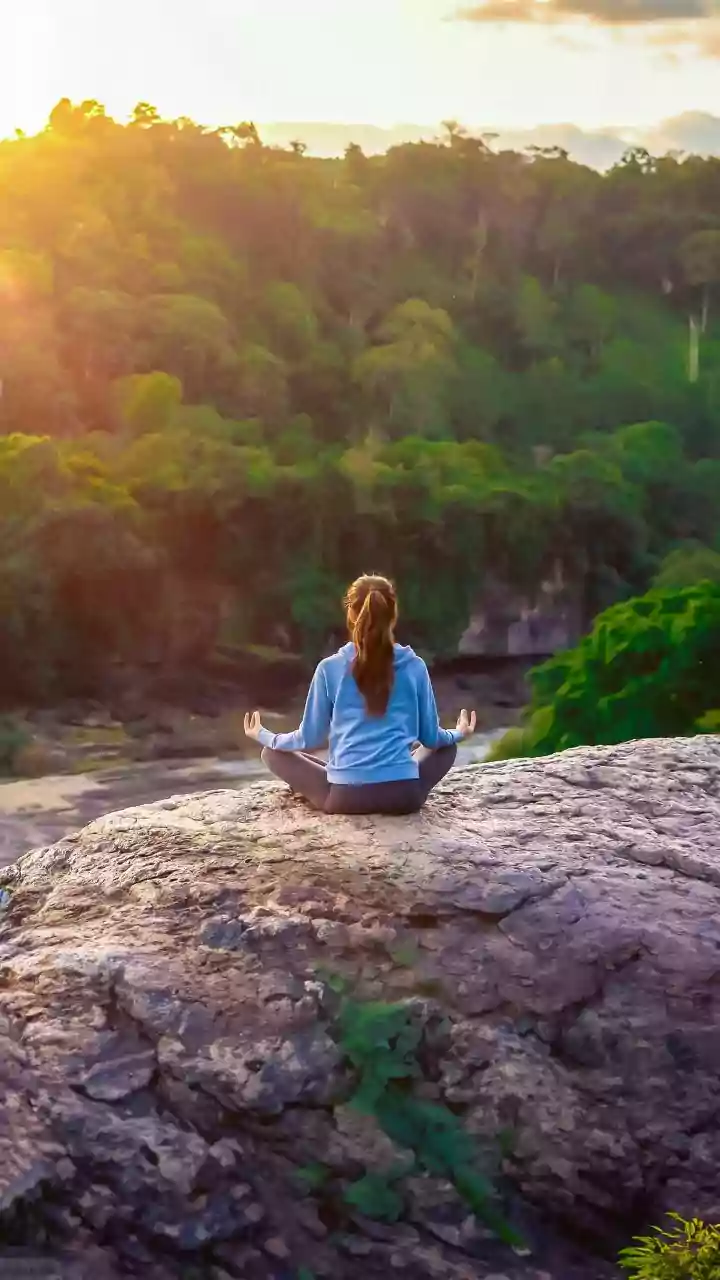
When concentration (*Dharana*) becomes effortless and sustained, it flows into *Dhyana*, or meditation. This is a state of profound awareness without a specific focus, where the mind is calm and clear, yet fully alert. It’s not about 'emptying the mind' but about observing its activity without getting caught up in it. The final limb is *Samadhi*, a state of union or enlightenment where the individual self merges with the universal consciousness. While this may seem like a lofty and distant goal, the preceding seven limbs provide a practical, step-by-step path toward it. Every moment spent practicing truthfulness, contentment, a physical pose, or conscious breathing is a step toward this ultimate state of inner peace and integration.