






Choose Wisely: The Planning Phase
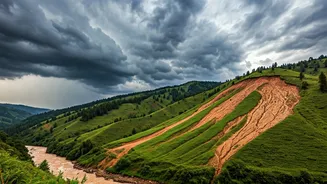
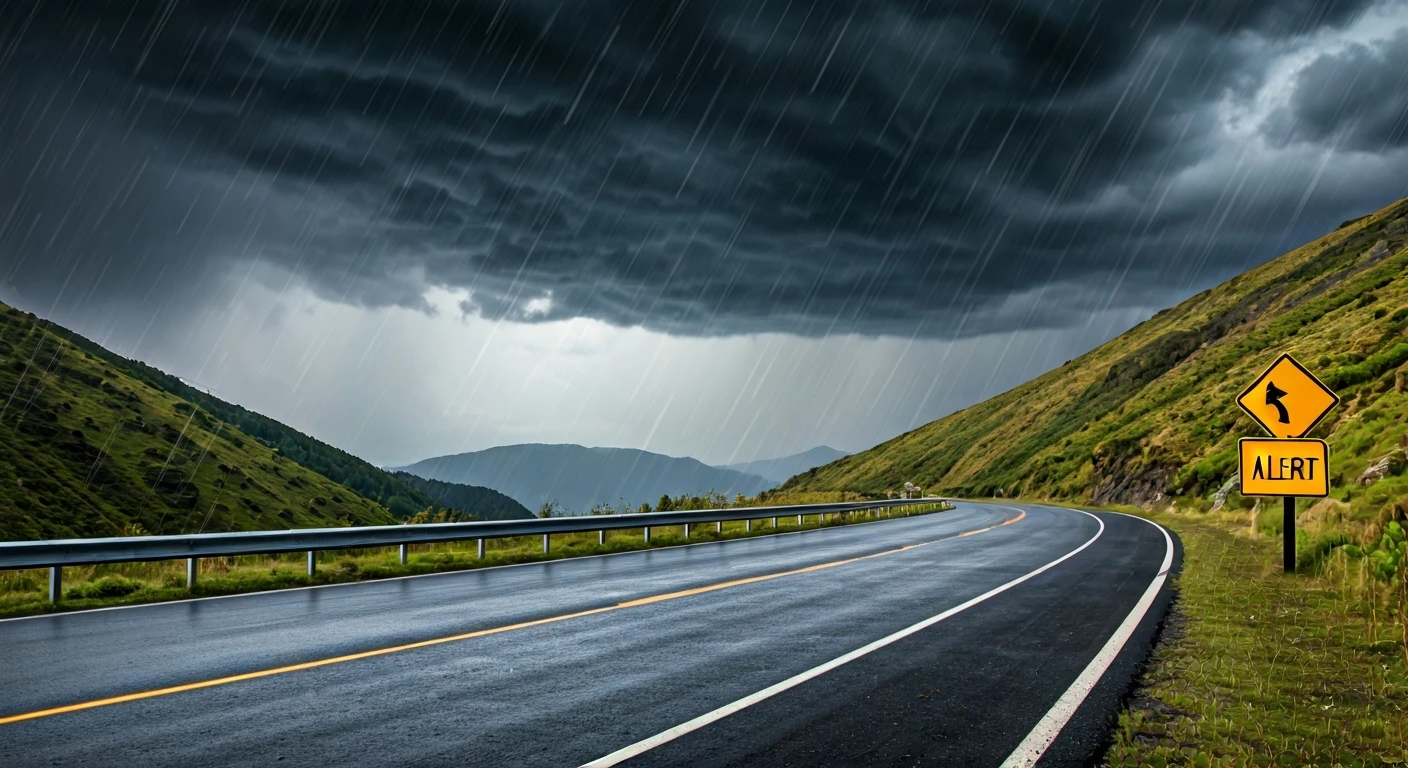
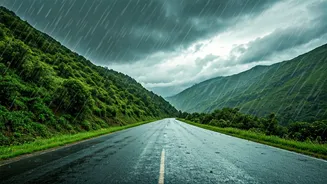
Before you even pack your bags, the most crucial safety step is choosing your destination wisely. During monsoon, some of India's most scenic spots, particularly in the Himalayas like Uttarakhand and Himachal Pradesh, become prone to landslides and flash
floods. Incessant rains can lead to road closures and leave travellers stranded. As of early July 2026, authorities have issued orange alerts for several districts in Himachal Pradesh due to heavy rainfall forecasts. Similarly, parts of Mumbai, Gujarat, and Kerala can experience significant waterlogging. Research your destination's recent weather patterns and check for advisories from the India Meteorological Department (IMD). Opt for places less affected by heavy rains or consider destinations closer to home to minimise travel time and risk. Booking accommodations with flexible cancellation policies is also a smart move, giving you an exit strategy if conditions worsen.
On The Road: Navigating Monsoon Journeys
If you're planning a road trip, your vehicle is your first line of defence. Ensure your car is monsoon-ready by checking the tyres for adequate tread, testing the brakes, and replacing worn-out wiper blades. Visibility is a major challenge during downpours, so always use your low-beam headlights, day or night, to see and be seen. Reduce your speed and maintain a much larger distance from the vehicle in front of you, as braking distances increase dramatically on wet roads. Avoid driving through waterlogged areas at all costs. It's impossible to gauge the water's depth, and you risk engine damage or getting stuck. If possible, avoid night travel, especially in hilly areas where landslide risks are higher. It’s also wise to keep your fuel tank topped up, as you may face long traffic jams.
Pack Smart: Gear and Gadgets
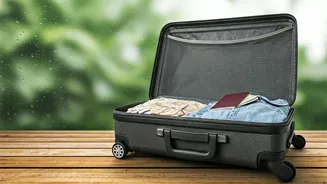
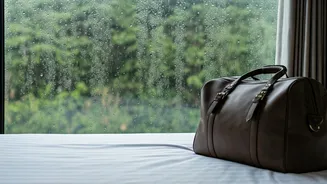
Monsoon packing is less about fashion and more about function. Prioritise quick-dry clothing made from synthetic fabrics over cotton or denim. A lightweight, high-quality raincoat or poncho is non-negotiable. Your footwear should be waterproof with excellent grip; think rubber sandals or anti-skid trekking shoes, not leather loafers. Protect your electronics by using waterproof bags or zip-lock pouches for your phone, wallet, and documents. A waterproof backpack cover is essential to keep your belongings from getting soaked. Because power cuts can be common, a fully charged power bank is a lifesaver. Also, pack a basic first-aid kit with antiseptic wipes, bandages, and any personal medications.
Health is Wealth: Staying Fit and Well
The monsoon season brings an increased risk of waterborne and mosquito-borne diseases. Be extremely cautious about what you eat and drink. Avoid street food, pre-cut fruits, and any raw or uncooked items. Stick to freshly cooked, hot meals from clean, reputable establishments. Drink only bottled, boiled, or purified water to avoid contamination. Mosquitoes thrive in this season, increasing the risk of diseases like dengue and malaria. Use a strong insect repellent, wear long-sleeved clothing, especially in the evenings, and consider using a mosquito net while sleeping. Also, try to stay dry as much as possible and change out of wet clothes promptly to prevent fungal infections.
A Word on Selfies: The Modern Danger
In the age of social media, the quest for the perfect photo has become a significant travel risk. Recent incidents across the country, from the Beas River in Himachal Pradesh to spots in Uttarakhand, have highlighted the deadly consequences of ignoring safety warnings for a selfie. Tourists venturing too close to swollen rivers, cliff edges, or onto slippery rocks have been swept away by sudden currents. Authorities repeatedly issue advisories asking visitors to stay away from riverbanks and other hazardous spots, as water levels can rise suddenly and without warning, especially due to water released from upstream dams. No photograph is worth your life. Heed warning signs, listen to local advice, and maintain a safe distance from potentially dangerous areas.