

The Science of Scaling Down
When you reduce the volume of ingredients, you fundamentally change the physics of how the dish cooks. The primary reason is the shift in the surface-area-to-volume ratio. A smaller batch of batter or stew in the same large pan will be spread thinner.
This increased surface area means moisture evaporates much more quickly, which can lead to dry, tough results. Furthermore, heat penetrates a shallower layer of food much faster, accelerating the cooking process significantly. Ignoring these changes is why a halved recipe often becomes an overcooked one. It’s not just about having less food to cook; it's about that food behaving differently under heat.
Rethinking Your Timer
The most common mistake when scaling down is assuming the cooking time will also be halved. This is rarely the case. A good starting point is to reduce the original cooking time by about 25% and begin checking for doneness from there. For a recipe that originally called for 60 minutes, set your first check-in for around the 45-minute mark. For smaller items like muffins or cookies made from a halved recipe, you might need to start checking at half the original time. Your eyes and a thermometer are more reliable than the clock. Food cooks faster in smaller portions, so you need to be more vigilant, checking more frequently to prevent burning or overcooking.
Choosing the Right Pan
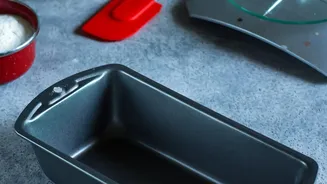
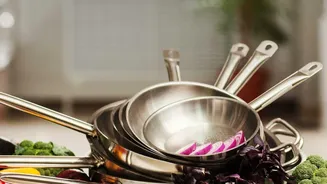
Using the pan the original recipe calls for is often a recipe for disaster. A half-batch of cake batter in a 9x13-inch pan will be incredibly thin, baking into a crisp wafer rather than a fluffy cake. The goal is to maintain a similar depth of food as the original recipe intended. When you halve a recipe designed for a 9x13-inch pan (which holds about 14-16 cups of batter), you need a pan that holds roughly half that volume. An 8x8-inch or 9-inch round pan, both of which hold about 8 cups of batter, are often excellent substitutes. If you don't use a smaller pan, the rapid evaporation and quick cooking will almost certainly ruin the texture of your dish.
A Practical Pan Conversion Guide
So how do you find the right smaller pan? The most accurate method is to calculate the volume or area. To find a pan for half a recipe, you need one with about half the surface area of the original. For example, a 9x13-inch pan has an area of 117 square inches. Half of that is about 58.5 square inches. An 8x8-inch square pan has an area of 64 square inches, making it a great choice. A 9-inch round pan has a similar area of about 63.5 square inches. If math isn't your friend, a simpler trick is to measure the volume. Fill the original pan with water, then pour it into smaller pans to see which one fills up halfway. Don't overfill the smaller pan; as a rule, batter should not go more than two-thirds of the way up the side.
Beyond Time and Pans
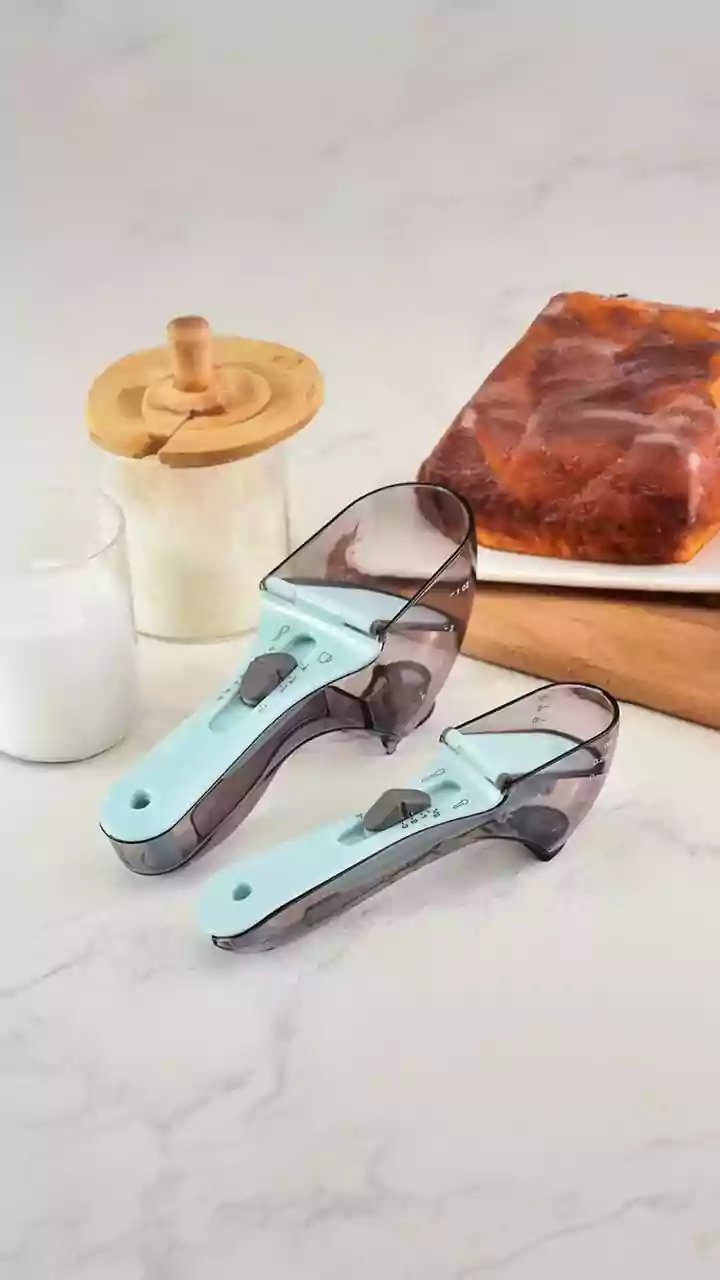
While time and pan size are the biggest factors, a few other elements can come into play. Some ingredients, like eggs, can be tricky. If a recipe calls for one egg, what do you do when halving it? The best practice is to whisk the egg in a bowl and use half of it (about two tablespoons). For very small batches, a large stand mixer might not be effective, as there isn't enough volume for the whisk or paddle to properly incorporate the ingredients, so mixing by hand might yield better results. Finally, remember that your oven has hot spots. With less food in the oven, these temperature variations can be more pronounced, so rotating your smaller pan halfway through cooking is always a good idea.