





The Pressure on Pulses
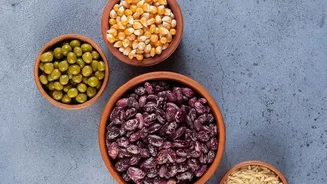
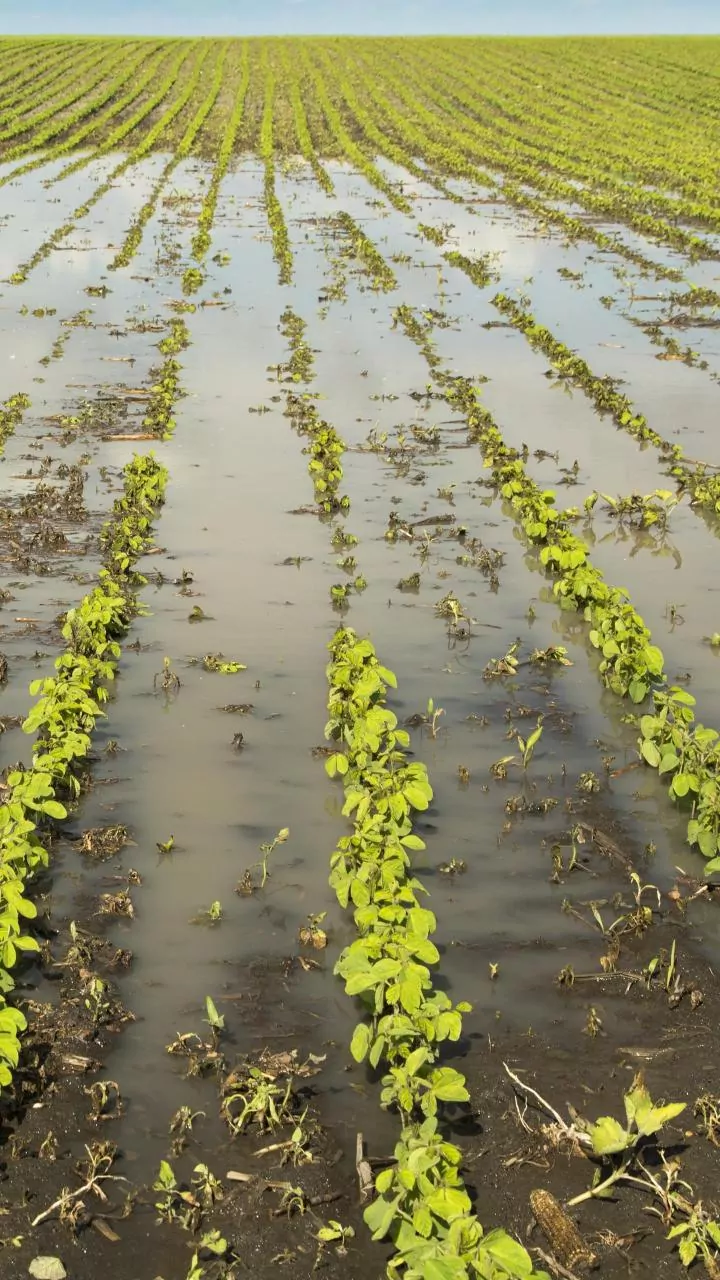
Pulses are a cornerstone of the Indian diet, but prices have been a growing concern. A patchy monsoon season, with rainfall deficits as high as 30% in some key growing regions, has raised alarms about the size of this year's domestic harvest. Since most
pulses in India are grown in rain-fed areas, production is highly sensitive to variations in rainfall. This has fueled fears of a supply crunch and contributed to food inflation, which stood at 5.95% in August. The government is now exploring ways to bolster supplies and stabilize prices, especially with demand expected to rise during the festive period.
What Is the Government Considering?
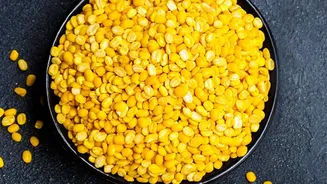
The proposal on the table involves reducing or eliminating import duties on specific pulses to make them cheaper to bring into the country. Currently, India levies a 10% import tax on red lentils (masoor) and a hefty 30% tax on yellow peas. The plan is to specifically target these two commodities. This isn't an unprecedented move; the government has already allowed duty-free imports of pigeon peas (tur) and black gram (urad) through March 2027 to manage their availability and price. However, no final decision has been announced, and the proposal remains under active consideration by officials.
Potential Relief for Consumers
For the average household, lower import duties could translate to direct relief. If the government goes ahead with the cuts, the increased availability of cheaper imported lentils and yellow peas would likely cool down retail prices in the market. This is especially critical as India is the world's largest consumer and importer of pulses, relying on imports for about 23% of its needs. In the 2024-25 period, India produced 25.7 million tonnes but had to import 7.3 million tonnes to meet demand. By making imports more affordable, the government hopes to ensure that the staple food remains within reach for millions, preventing a sharp spike in the cost of daily meals.
A Difficult Balancing Act for Farmers
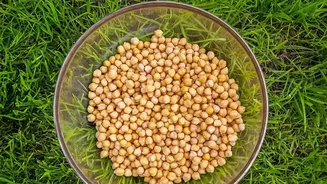
While consumers stand to gain, the move presents a complex challenge for Indian farmers. Cheaper imports entering the market, especially during the domestic harvest season, could drive down the prices farmers receive for their own crops, potentially below the Minimum Support Price (MSP). This has been a recurring issue, where policies designed to help consumers inadvertently harm producer incomes. To mitigate this, the government is reportedly considering keeping the import duty on chickpeas (chana) unchanged. With farmers set to begin planting chickpeas in October, maintaining the tariff on this key pulse could encourage a larger planting area and support domestic growers, showcasing the delicate balance policymakers must strike.
The Global Connection
A decision made in New Delhi has ripples across the globe. As the world's biggest importer of pulses, any change in India's tariff structure can significantly redirect international trade flows. Major pulse-exporting nations like Canada, Australia, Russia, and Myanmar watch these policy shifts closely. A reduction in duties could trigger a surge in shipments to India as global traders look to capitalize on the opening. This interconnectivity highlights India's crucial position in the global food economy and how its domestic policy needs are intertwined with international market dynamics.