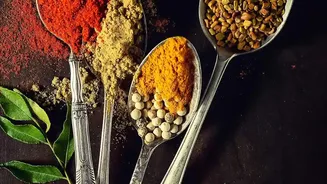








Turmeric (Haldi): The Golden Healer
This vibrant yellow spice, a staple in every Indian kitchen, is a potent immunity booster. Its active compound, curcumin, has powerful anti-inflammatory, antibacterial, and antifungal properties that help the body fight off infections common during the rainy
season. To maximise its benefits, pair it with a pinch of black pepper, which enhances curcumin absorption significantly. A warm glass of 'haldi doodh' before bed is a traditional and effective way to leverage its healing powers, providing comfort and protection.
Ginger (Adrak): The Digestive Guardian
Monsoon can slow down digestion, leading to issues like bloating and indigestion. Ginger is a time-tested remedy for these woes. Its active compound, gingerol, is known for its ability to soothe the digestive system and fight nausea. As an antiviral and antibacterial agent, it also helps combat respiratory illnesses like colds and coughs that are rampant during this season. Starting your day with a warm cup of ginger tea or adding freshly grated ginger to soups and curries can keep your digestive fire strong and your immunity robust.
Garlic (Lehsun): Nature’s Antibiotic
Garlic is highly valued as a natural antibacterial and antiviral powerhouse. It contains a compound called allicin, released when garlic is crushed or chopped, which is known to stimulate the production of white blood cells that fight infections. Regularly including garlic in your diet, especially during the monsoon, can offer protection against waterborne illnesses. For maximum benefit, it's often recommended to consume a clove or two raw, but adding it generously to your daily cooking in dals and sabzis is also an effective way to harness its protective qualities.
Probiotics (Dahi, Buttermilk): The Gut Protectors
Gut health is directly linked to overall immunity, and the monsoon puts our digestive system to the test. Probiotic-rich foods like homemade curd (dahi), buttermilk (chaas), and fermented foods like idli are essential. They introduce beneficial bacteria into your gut, which help fight off harmful pathogens, improve digestion, and strengthen your body's natural defences. A bowl of fresh curd with your lunch or a glass of spiced buttermilk in the afternoon is a simple, refreshing way to keep your gut happy and healthy.
Seasonal Gourds (Lauki, Turai): Light & Easy to Digest
While leafy greens should be consumed with caution due to the higher risk of contamination during monsoon, gourds are a safe and healthy alternative. Vegetables like bottle gourd (lauki), ridge gourd (turai), and bitter gourd (karela) are light, easy to digest, and packed with essential nutrients and fibre. They are also high in water content, helping you stay hydrated. These vegetables don’t tax the digestive system, making them ideal for a season when the body’s metabolic rate is naturally slower.
Seasonal Fruits (Jamun, Pomegranate): The Antioxidant Boosters
Nature provides the perfect antidote to seasonal ailments. Monsoon fruits like Jamun (Indian blackberry), pomegranates, pears, and plums are rich in antioxidants, Vitamin C, and iron. Jamun is excellent for controlling blood sugar and is rich in iron, which helps combat monsoon-related fatigue. Pomegranates have antioxidant levels three times higher than green tea and possess antiviral properties. These fruits help strengthen your immune system, improve digestion, and give your skin a healthy glow.
Nuts and Seeds: The Energy Packets
A handful of nuts and seeds like almonds and walnuts can provide healthy fats, protein, and antioxidants. They are excellent for maintaining energy levels, which can often dip during the gloomy, humid days of monsoon. Almonds are a great source of Vitamin E, which is key to a healthy immune system. These make for a perfect, nutrient-dense snack that keeps you full and fortifies your body's defences against illness.