






Why Cats Climb
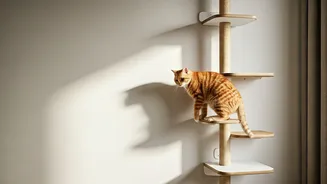
Ever wonder why your cat is constantly seeking the highest point in the room, whether it’s the top of a bookshelf or the back of the sofa? This behaviour is deeply rooted in their DNA. In the wild, height means safety. From an elevated perch, a cat can
survey its territory for potential threats and spot unsuspecting prey. For our domestic felines, this instinct remains powerful. Being up high gives them a sense of security and control over their environment. Denying them this opportunity can lead to anxiety and stress, as they feel exposed and vulnerable at ground level. Providing vertical space isn't just a luxury; it's an essential way to cater to their instinctual needs and boost their confidence.
Enter the Vertical Cat Highway
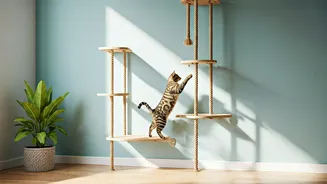
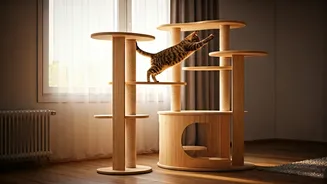
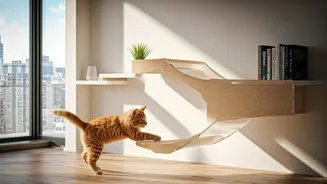
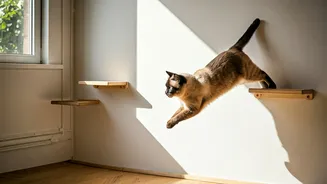
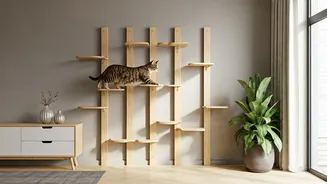
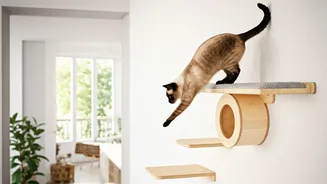
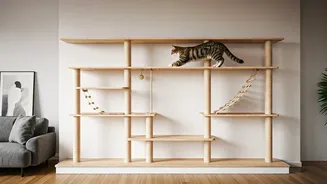
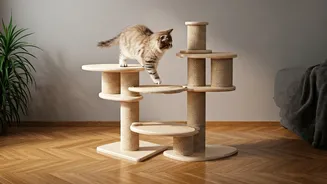
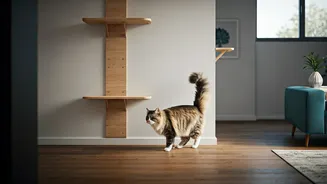
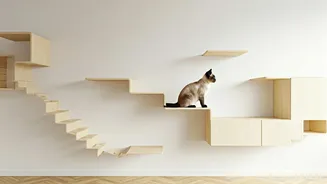
This is where wooden walking bridges come in. Think of them as key components of a 'cat superhighway'—a network of shelves, perches, and bridges mounted on your walls. These structures transform unused vertical surfaces into an exciting, explorable domain for your pet. A wooden walking bridge, specifically, connects two points, such as two wall-mounted perches or a shelf and a tall cat tree. It allows your cat to navigate the room without ever touching the floor, creating a rich, three-dimensional environment that mimics the challenges and pathways of a natural outdoor setting. This isn’t just about adding a single piece of furniture; it's about creating a dynamic and interactive world within your home.
The Health and Behavioural Benefits
The impact of vertical space on a cat's well-being is profound. Physically, navigating these highways encourages jumping, climbing, and balancing, providing much-needed exercise that helps maintain a healthy weight and muscle tone. Mentally, it's a game-changer. The stimulation of exploring new paths and observing the world from above alleviates boredom, a common cause of destructive behaviours like scratching furniture or excessive meowing. In multi-cat households, vertical territory is even more crucial. It helps establish social hierarchy and provides escape routes, reducing conflict and tension between cats by allowing them to share the same room without competing for the same floor space.
Choosing the Right Bridge
When selecting a cat bridge, safety and quality are paramount. Opt for bridges made from solid, untreated wood like pine or birch. Avoid particleboard or MDF, which may contain glues that are toxic if chewed. The walking surface should provide good grip. Some bridges feature slats with small gaps, which are great for traction, while others might be wrapped in sisal rope. Ensure the construction is sturdy and can comfortably support your cat's weight without wobbling. Look for products with robust wall-mounting hardware. While aesthetics matter, prioritise your cat’s safety—a wobbly or slippery bridge will be ignored at best and dangerous at worst.
Installation and Integration Tips
Proper installation is key to creating a safe and appealing cat highway. Always mount shelves and bridges directly into wall studs for maximum stability. Use a stud finder to locate them. Plan the layout before you start drilling. The path should be logical and intuitive for your cat, with manageable distances between jumps. Place perches near windows to provide 'cat TV'—a view of the birds and activity outside. Connect the bridge to other interesting spots, like the top of a wardrobe or a cosy, high-up cat bed. Introduce the new highway slowly, using treats or toys to encourage your cat to explore their new domain. Let them discover it at their own pace.