

The Challenge of Hidden Dust Traps
Every home has them—narrow, hard-to-reach gaps where dust, pet hair, and allergens accumulate undisturbed. When furniture is pushed tightly against walls or clustered together, it creates dead zones that are nearly impossible for a vacuum cleaner, mop,
or duster to access. These hidden pockets don't just look untidy; they can become reservoirs for particles that degrade indoor air quality, potentially triggering allergies and respiratory discomfort. Over time, this buildup can also lead to scuff marks and damage on both walls and furniture from the constant, albeit minor, friction.
Embracing the 'Breathing Room' Principle
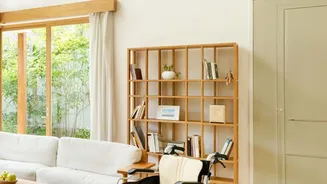
The solution is surprisingly simple: give your furniture some breathing room. Interior designers often recommend leaving a few inches of space between furniture and walls not just for aesthetics, but for practicality. Pulling sofas, cabinets, and chairs even 5 to 10 centimetres away from the wall creates a channel that is wide enough for cleaning tools to pass through. This intentional gap prevents the formation of those inaccessible dust traps and makes routine cleaning significantly more effective. Think of it not as losing space, but as gaining control over your home's cleanliness.
Improved Airflow for a Healthier Home
Beyond easier cleaning, spacing out furniture improves air circulation throughout a room. When air can flow freely, it helps to disperse airborne particles, preventing them from settling in concentrated spots. This is particularly important in rooms with HVAC systems, as blocked vents can lead to inefficient heating or cooling and uneven temperature distribution. Good airflow reduces stagnant air, which in humid climates can contribute to the growth of mould and mildew behind large furniture pieces. By simply creating small gaps, you help your home breathe better, leading to a fresher and healthier indoor environment.
Making Cleaning Day Faster and More Effective
Imagine a cleaning routine where you don't have to contort your body to reach awkward corners. With open gaps around your furniture, that becomes a reality. This approach is especially beneficial for those who use modern cleaning aids. Robotic vacuums, for instance, can navigate more effectively when they aren't constantly bumping into furniture legs or getting stuck in tight spaces. Sweeping and mopping become seamless tasks rather than an obstacle course. Choosing furniture with taller legs that elevate it off the floor further enhances this, allowing you to clean underneath pieces without having to move them at all.
The Surprising Aesthetic Benefits
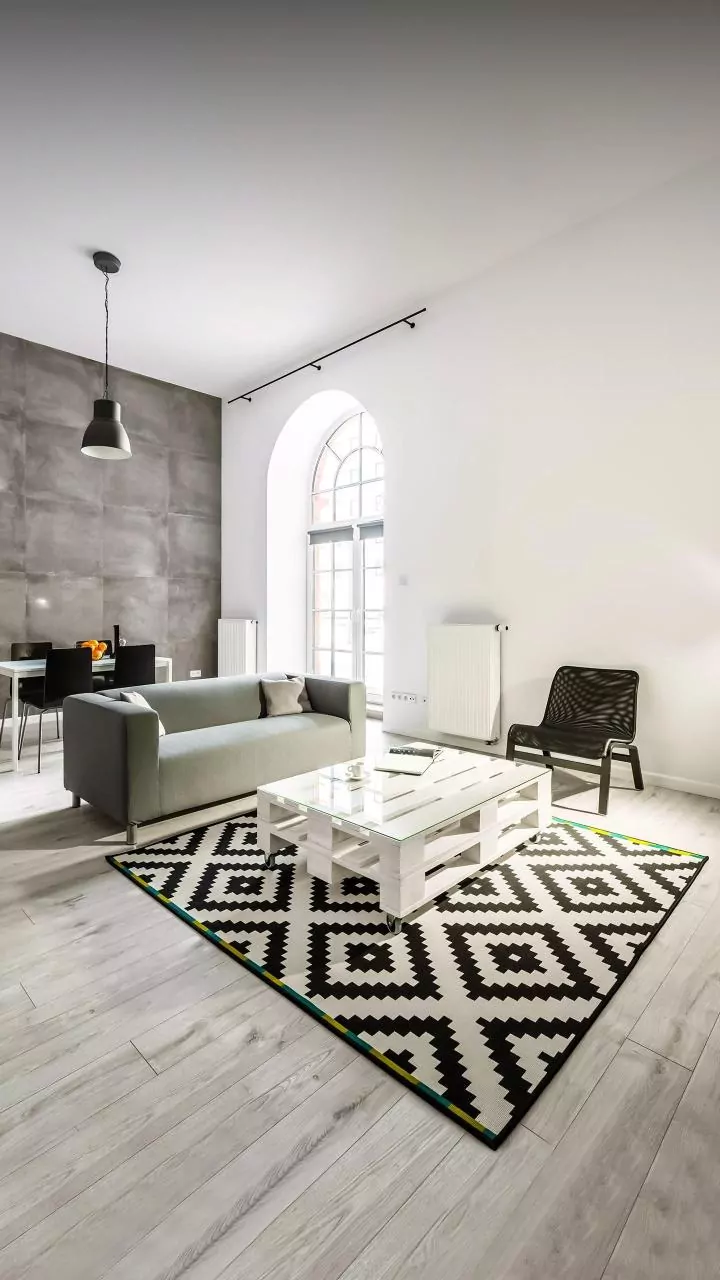
Creating space around your furniture does more than just help with maintenance; it can also make a room feel larger, more organised, and more visually appealing. When pieces aren't crammed against the walls, it creates a sense of airiness and sophistication. This technique, known as 'floating' furniture, is often used by professionals to design layouts that feel intentional and balanced. A room that is easy to clean often looks cleaner and less cluttered on a daily basis, which can contribute to a more calming and less stressful living environment. This simple act of strategic placement transforms cleaning from a chore into a natural outcome of good design.