





Defining the Deccan Plate
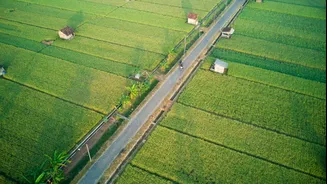
When we speak of the Deccan, we refer to the vast triangular plateau that forms the majority of southern and western India. This massive landform covers large parts of Maharashtra, Karnataka, Telangana, and Andhra Pradesh. Its unique geography—rocky,
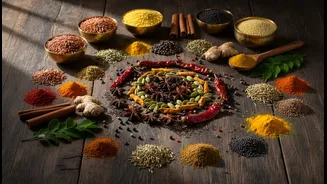
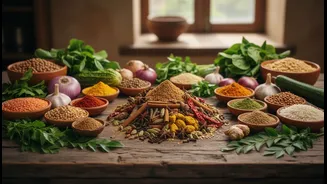
arid in places, and fed by great rivers like the Godavari and Krishna—has cultivated a distinct pantry of ingredients. Millets like jowar and bajra, lentils, peanuts, tamarind, and a formidable array of chillies form the bedrock of its food traditions. This is not a single, monolithic cuisine, but a collection of culinary identities shaped by a shared geography and a history of cultural exchange.
A History Forged in Spice and Royalty
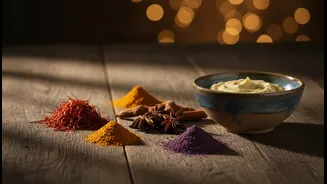
Deccani cuisine is a remarkable tapestry woven from diverse threads. Its foundation is in native Telugu and Marathwada cooking, which was then layered with centuries of outside influences. The arrival of the Delhi Sultanate in Daulatabad introduced new techniques, but it was the Bahmani Sultanate and later the Qutb Shahi dynasty and the Nizams of Hyderabad who truly shaped its regal character. They blended Turkish, Persian, and Mughal culinary arts with local traditions. This fusion created dishes where the sourness of tamarind or raw mango meets the richness of slow-cooked meat, and where delicate Persian aromatics like saffron and rose water are balanced by the robust heat of local spices. It’s a cuisine born from the confluence of royal kitchens and rustic, regional flavours.
More Than Just Hyderabadi Biryani
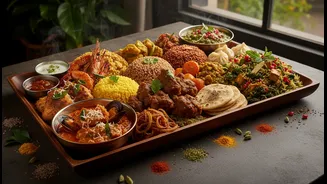
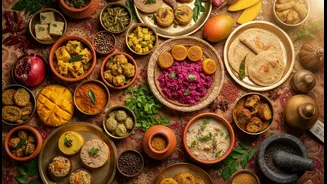
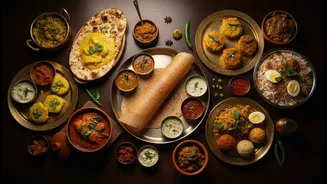
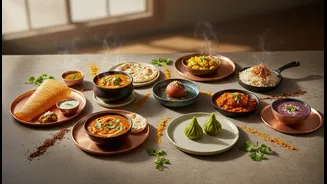
For many, Deccan food begins and ends with Hyderabadi biryani. While this iconic dish is a global ambassador for the region's culinary prowess, it represents just one chapter of a much larger book. To focus solely on biryani is to miss the staggering diversity of the Deccani table. There's the nutty flavour of Bagara Baingan (eggplants in a rich peanut and sesame gravy), the tangy comfort of Khatti Dal, and the fiery punch of Mirchi ka Salan. From Maharashtra comes the humble but hearty bhakri served with spicy vegetables. The kitchens of Karnataka offer their own unique dishes that tell stories of their specific regions. And even within Hyderabad, celebrated dishes like Pathar ka Gosht (mutton cooked on a stone slab) and the rich stew Haleem have stories that are often overshadowed by biryani.
Lost on the National Menu
Despite this rich heritage, Deccani cuisine remains conspicuously absent from the mainstream narrative of Indian food in major cities. While restaurants celebrating Punjabi, Bengali, and even specific coastal cuisines like Goan or Malvani are common, dedicated Deccani restaurants are a rarity. Why? The reasons are complex. Perhaps the cuisine is perceived as too labour-intensive or its flavours too bold and intricate for a simplified restaurant format. The immense popularity of Hyderabadi biryani may have also inadvertently typecast the entire region's food, making it harder for other dishes to gain a foothold. Unlike butter chicken, which became a global shorthand for Indian food, Deccani cuisine has lacked a singular, easily replicable dish beyond biryani to capture the national imagination.
The Champions of a Culinary Revival
Fortunately, a change is underway. A new generation of chefs and restaurateurs are working to shine a light on the Deccan's forgotten recipes and diverse flavours. In Hyderabad, culinary experts like Nawab Mehboob Alam Khan have dedicated themselves to preserving and reviving authentic recipes passed down through generations. Restaurants like Oota are undertaking extensive research, travelling across Telangana and Andhra Pradesh to document dishes from home cooks and small eateries, bringing them to a fine-dining context. Others, like Terrāi, are championing the specific culinary identity of Telangana, aiming to elevate its profile on the global stage. These efforts are crucial in ensuring this vital part of India's culinary heritage is not just preserved, but celebrated and enjoyed by a wider audience.