





The Overheating of the Perfect Holiday
Remember the classic travel brochure? An unbroken expanse of blue sky, golden sand, and a sun so reliable you could set your watch by it. For generations, this was the dream. But in recent years, that dream has started to feel more like a fever. Sweltering
heatwaves across Southern Europe, Southeast Asia, and even parts of North America are turning idyllic summer getaways into endurance tests. Cities like Athens and Rome have seen tourists faint from heatstroke, and coastal towns that once promised gentle warmth now deliver oppressive, 40°C+ temperatures. The guarantee of sun has become a guarantee of suffering. This isn't a fluke; it's a pattern. Climate change is rewriting the travel map, making many once-desirable summer destinations far less appealing during their peak seasons. The search for a comfortable, enjoyable escape is pushing travellers to look elsewhere—and upward.
The Rise of the 'Cool-cation'
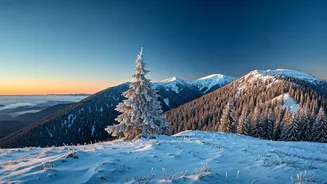
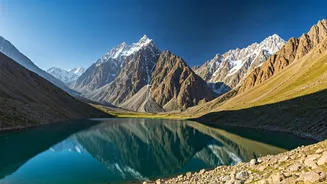
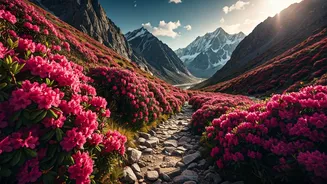
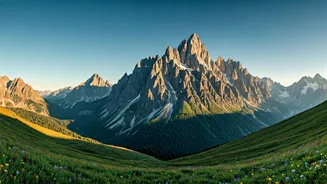
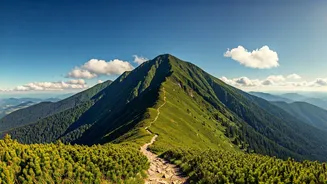
Enter the 'cool-cation'. It's a simple concept with profound implications: travellers are actively seeking destinations with milder, more pleasant climates to escape the soaring temperatures at home and in traditional holiday spots. This isn't just about avoiding the worst of the heat; it's about finding genuine comfort and relief. Mountain ranges, from the Alps in Europe to our own mighty Himalayas, are emerging as the natural winners of this trend. While the plains of North India swelter in May and June, places like Shimla, Manali, or Darjeeling offer a crisp, cool respite. This shift is recalibrating the very idea of a 'summer holiday'. Instead of flying towards the equator for sun, people are increasingly heading for higher altitudes for clouds, cool breezes, and comfortable daytime temperatures that allow for actual activity, not just hiding in an air-conditioned room.
It's Not Just the Temperature
But to say this trend is only about cooler temperatures would be missing the point. The real hook of mountain travel is the weather itself—in all its unpredictable glory. Unlike the monotonous, oppressive heat of a coastal heatwave, mountain weather is a dynamic, multi-act play. It’s the experience of waking up to a clear, sunny morning perfect for a trek, only to see dramatic clouds roll in by afternoon, bringing a sudden, refreshing shower that leaves the air smelling of pine and wet earth. It’s the mist that shrouds the valleys, creating a sense of mystery and wonder. It’s the crispness in the air after the rain has passed, making the distant peaks appear sharper than ever. This variability is an antidote to the predictable, often boring, perfection we used to chase. In a world of curated digital feeds and algorithm-driven lives, the raw, untameable nature of mountain weather feels authentic and exhilarating.
India's Himalayan Advantage
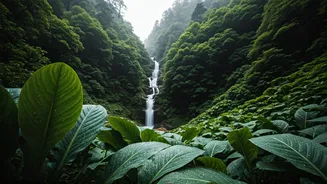
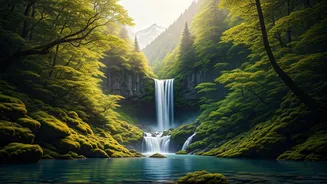
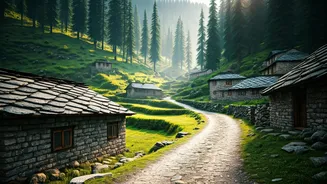
For us in India, this global trend isn't a distant phenomenon; it's right on our doorstep. The Himalayas are perfectly positioned to become the epicentre of this new travel philosophy. The monsoon, once considered the 'off-season' in the mountains, is being rebranded. Travellers are now discovering the unique beauty of the hills during the rains: lush, green landscapes, roaring waterfalls, and fewer crowds. States like Himachal Pradesh, Uttarakhand, Sikkim, and Arunachal Pradesh offer a spectrum of weather experiences. You can find sunny slopes, misty valleys, and dramatic cloudbursts, sometimes all in one day. This presents a massive opportunity to develop a more sustainable, year-round tourism model that moves beyond the traditional peak months of summer, distributing the economic benefits and reducing the environmental strain of overcrowding.
How to Travel for Weather
Embracing this new way of travel requires a slight mental adjustment. Instead of packing for one type of weather, the key is layering. A waterproof jacket, a warm fleece, quick-drying trousers, and sturdy shoes are your best friends. More importantly, it requires a flexible mindset. An itinerary might need to change if a sudden downpour makes a trail unsafe. That’s not a ruined day; it's an opportunity to discover a local café, read a book by the window, and simply watch the weather perform. Travelling for the weather means giving up the illusion of control and instead learning to appreciate the rhythm of the natural world. It’s about finding joy not just in the destination, but in the atmospheric journey itself.