

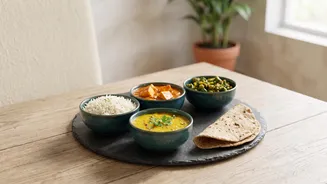

The Golden Rule: Use Smaller Plates
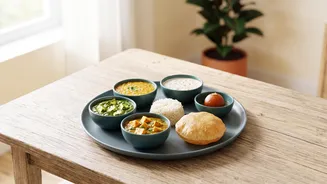
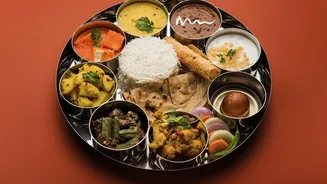
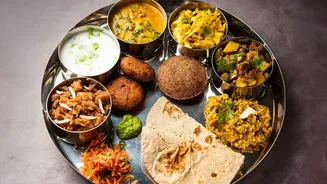
One of the simplest yet most effective strategies is to change your canvas. Using a smaller plate or bowl can trick your brain into feeling satisfied with less food. A standard Indian thali can encourage over-serving, but a 25-27 cm plate helps you naturally
limit how much you pile on. Fill your smaller plate with your favourite dishes, but the limited space ensures your portions remain reasonable. This psychological trick works by managing your perception of quantity, allowing you to feel full without the discomfort of overeating. It's a subtle change that makes a significant difference, especially when faced with a buffet of tempting options.
Master the Balanced Plate Method
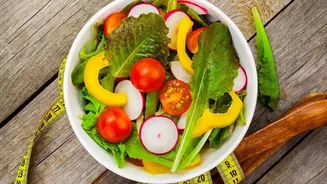
Visualising your plate in sections is a powerful tool for balanced eating during festivals. Dietitians recommend the 'plate method': fill half of your plate with vegetables or salad first. This high-fibre base helps you feel full on fewer calories. Dedicate one-quarter of the plate to protein—think dal, paneer, chickpeas, or lean meat. Protein increases satiety, helping to prevent you from reaching for extra servings. The final quarter is for carbohydrates like rice, roti, or pulao. This balanced approach ensures you get a mix of essential nutrients and can enjoy a bit of everything without the meal being dominated by calorie-dense carbs.
Be Smart About Sweets
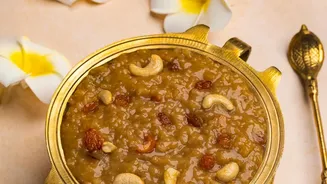
Festivals without mithai are unimaginable. The key is not to forbid them but to enjoy them mindfully. Nutritionists suggest a 'one-sweet rule'—pick the one dessert you truly love and savour it. Instead of sampling everything, focus on quality over quantity. Opt for homemade sweets where possible, as you can control the ingredients, using natural sweeteners like jaggery or dates instead of refined sugar. Another great tip is to share a dessert or cut a larger piece in half. This allows you to satisfy your craving without a major sugar spike.
Hydrate and Eat a Snack Before You Go
Never arrive at a party or gathering feeling ravenous. This often leads to overeating the first thing you see, which is usually fried snacks. Having a small, healthy snack before you leave home—like a piece of fruit, a bowl of yoghurt, or a handful of nuts—can curb your appetite and help you make more conscious choices. Additionally, stay hydrated. Often, our bodies mistake thirst for hunger. Drinking a glass of water before a meal can create a sense of fullness and aid digestion, preventing you from overindulging.
Practice the Art of Mindful Eating
In the excitement of social gatherings, we often eat distractedly, talking and paying little attention to our food. Mindful eating is about being present. Eat slowly, chew each bite thoroughly, and focus on the flavours and textures of the food. This practice not only enhances enjoyment but also gives your brain the time it needs to register fullness, helping you recognise when you are satisfied, not stuffed. Put your fork down between bites and engage in conversation. This slows down your eating pace naturally and helps you tune into your body’s hunger and satiety cues.
Learn to Politely Decline
Indian hospitality is generous, and hosts often insist on second and third helpings. While it's a gesture of love, it's okay to say no politely. It's important to listen to your body's signals of fullness rather than feeling pressured to eat more. You can simply say, "Everything was so delicious, but I'm completely full," or "I'd love to, but I'm saving space to try the dessert later." A gracious refusal is almost always understood. The goal is to control your own intake without offending the person who has lovingly prepared the meal.