


Train for Life, Not Just the Gym
Think about your daily physical tasks: lifting a heavy suitcase into an overhead bin, carrying all the grocery bags in one trip, or getting up off the floor after playing with your kids. These actions don't rely on a single muscle; they require multiple
joints and muscle groups to work together in coordinated patterns. This is the core idea behind functional strength training. Instead of focusing on isolated exercises like bicep curls, this approach prioritizes training the body’s fundamental movement patterns—the foundational ways our bodies were designed to move. Experts identify about six or seven of these so-called “primal patterns” that form the building blocks for nearly everything you do. By strengthening these patterns, you build a body that is more resilient, coordinated, and better prepared for the physical demands of everyday life, which can also help reduce the risk of injury.
The Squat: More Than Just Leg Day
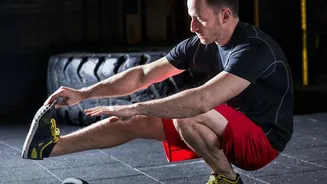
The squat is arguably the most fundamental human movement. You do it every time you sit down in a chair and stand back up. It's the pattern you use to lift a heavy box off the floor correctly. A proper squat involves bending at the hips and knees while keeping your chest up and feet flat on the ground. This motion engages your quadriceps, hamstrings, glutes, and core muscles all at once. You can train this pattern with bodyweight squats, holding a weight in front of your chest for a goblet squat, or even practicing by sitting down and standing up from a low chair without using your hands. Mastering the squat builds lower-body strength and improves your balance.
The Hinge: Protecting Your Back
Every time you bend over to tie your shoes or pick something light off the floor, you perform a hip hinge. This movement involves bending at the hips while keeping your spine relatively straight. It's crucial for protecting your lower back from strain. Unlike a squat where your knees bend significantly, a hinge primarily engages the posterior chain: your glutes and hamstrings. Exercises like the deadlift, kettlebell swing, and good mornings are classic hinge movements. Learning to hinge properly is one of the best ways to prevent back pain when lifting, as it teaches you to use your powerful leg and hip muscles instead of your vulnerable lower back.
The Push and Pull: Upper Body Essentials
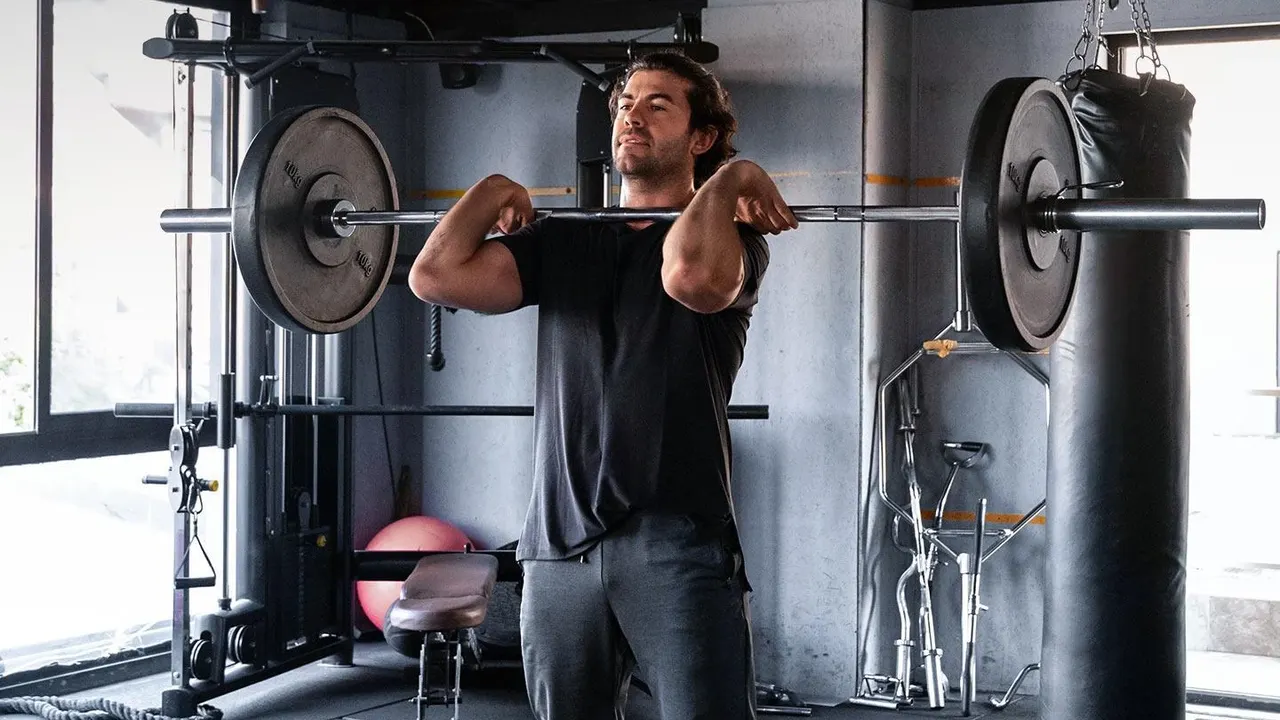
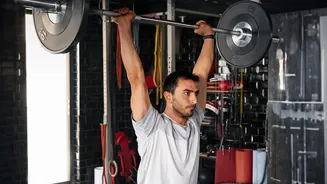
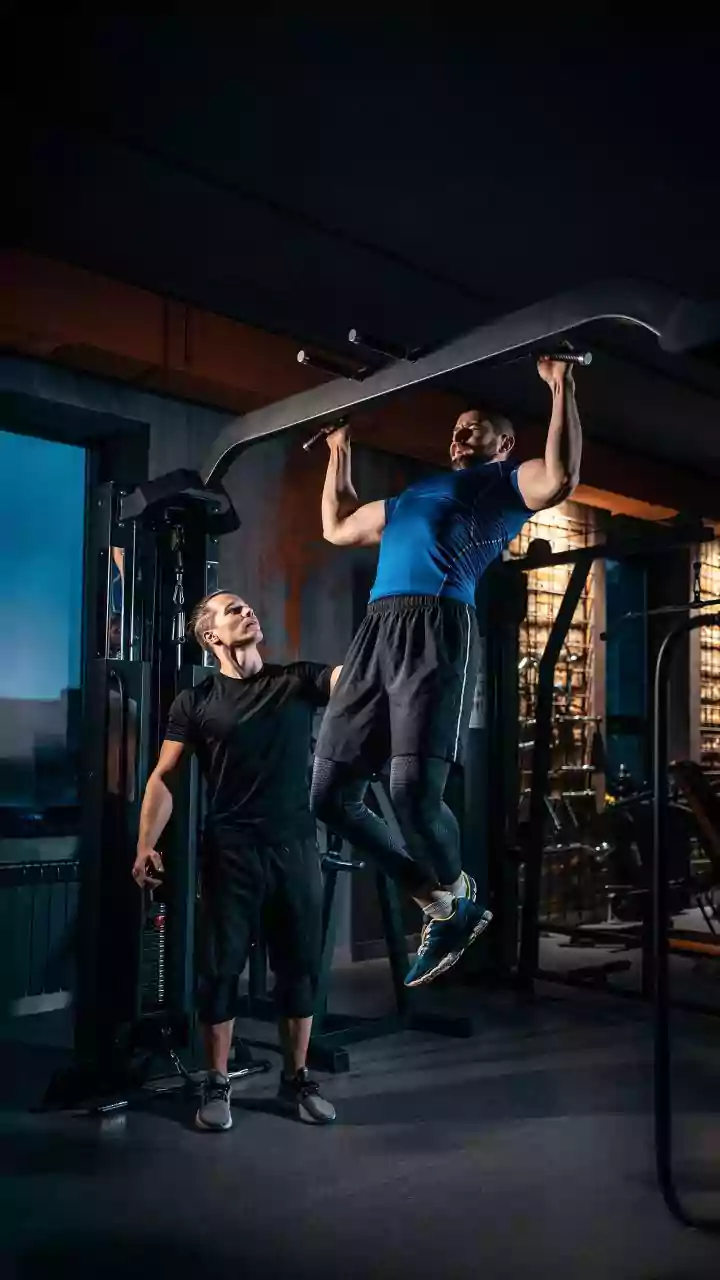
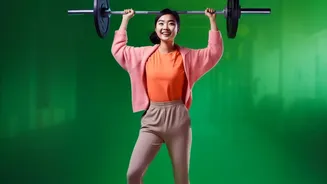
Pushing and pulling are the two primary patterns for your upper body. Pushing involves moving a weight away from your center, like when you push open a heavy door or place an item on a high shelf. Classic push exercises include push-ups and the overhead press. Pulling, conversely, involves bringing a weight toward your center, like when you start a lawnmower or pull a door open. Rows and pull-ups are excellent exercises for building pulling strength. Training both patterns ensures you develop balanced strength in your chest, shoulders, and back, which is essential for good posture and upper-body function.
The Lunge and Carry: Building Dynamic Stability
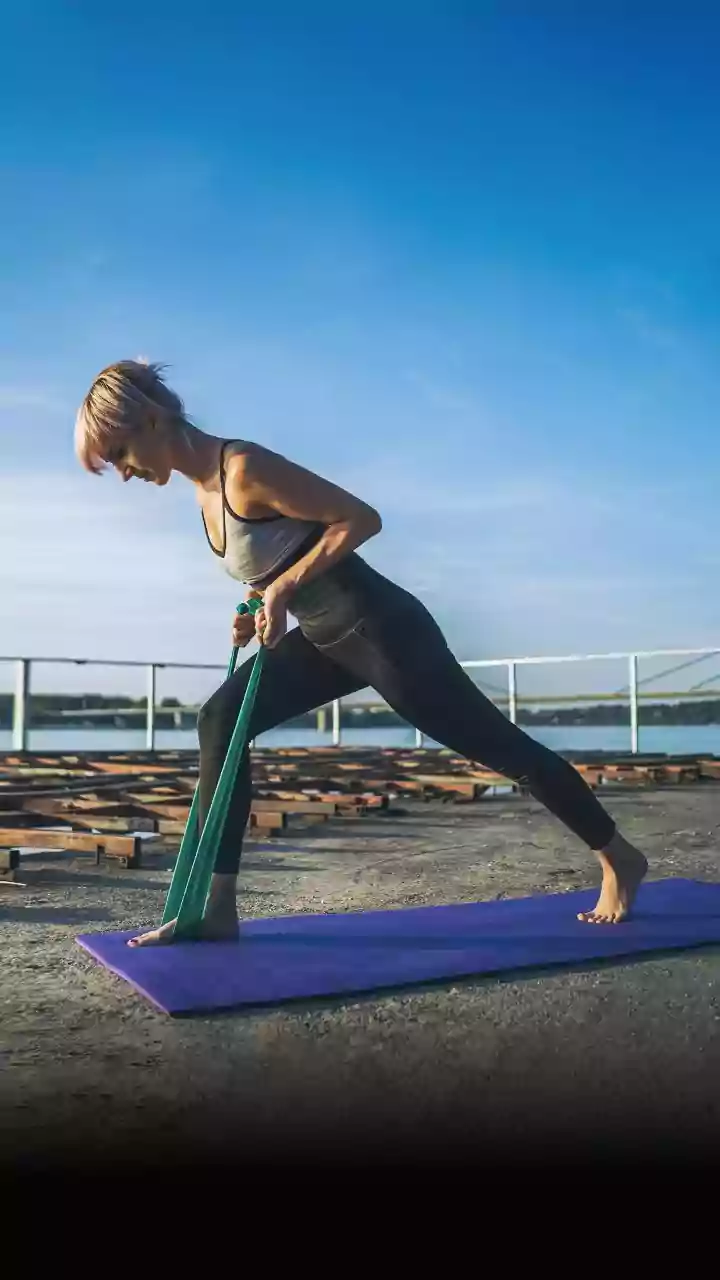
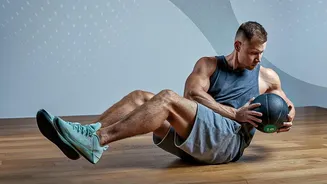
Life is rarely static. We move, we walk, and we often do so while carrying things. The lunge pattern, which involves stepping in any direction while stabilizing on one leg, is fundamental for activities like climbing stairs or simply walking. It builds single-leg strength and balance. The carry, often called a loaded carry, is just what it sounds like: walking while holding a weight. The farmer's walk, where you carry a weight in each hand, is a perfect example. This pattern builds grip strength, core stability, and endurance. Combining these movements makes you more stable and robust during dynamic, real-world activities. Rotation, or twisting, is another key pattern that adds a layer of core stability to all other movements.