




From Niche Product to Everyday Staple
Not long ago, protein products were confined to the dusty shelves of specialty fitness stores, primarily targeting athletes and bodybuilders. Today, they are mainstream. Major food companies and startups alike are launching everything from high-protein
biscuits and milk to protein-enriched dosa batter and coffee. This shift reflects a crucial change in consumer mindset: protein is no longer just for athletes. It's now seen as an essential nutrient for everyone, from busy professionals seeking sustained energy to health-conscious families wanting better nutrition. Quick commerce platforms report massive surges in orders for protein-related items, with demand in tier-2 cities growing even faster than in metros, signaling a nationwide trend.
The Rise of the 'Functional' Food
The demand for protein is part of a larger, more significant movement: the rise of 'functional foods'. This is the core trend driving the change. Indians are increasingly looking for foods that do more than just satisfy hunger; they want foods that provide specific health benefits. Whether it's supporting immunity, improving gut health, or boosting cognitive performance, consumers are making more purposeful choices. This shift is fueled by a growing awareness of lifestyle diseases like diabetes and obesity, hectic urban schedules, and a greater focus on preventive healthcare. People are proactively managing their well-being, and food is their primary tool. The protein snack is simply one of the most visible expressions of this desire for food that works for you.
Convenience Meets Consciousness
For generations, Indian diets have relied on traditional protein sources like dal, paneer, and legumes. While these remain staples, their preparation takes time—a luxury many urban professionals don't have. The new wave of protein-rich snacks offers a convenient solution for fast-paced lifestyles. A protein bar can be a quick breakfast, a post-workout recovery aid, or a healthy alternative to a bag of fried chips during a mid-day slump. This intersects with a growing 'clean label' movement, where consumers are paying closer attention to ingredient lists. They want simple, recognizable ingredients and minimal processing, pushing brands to create products that are both convenient and transparently healthy.
A Modern Twist on Traditional Wisdom
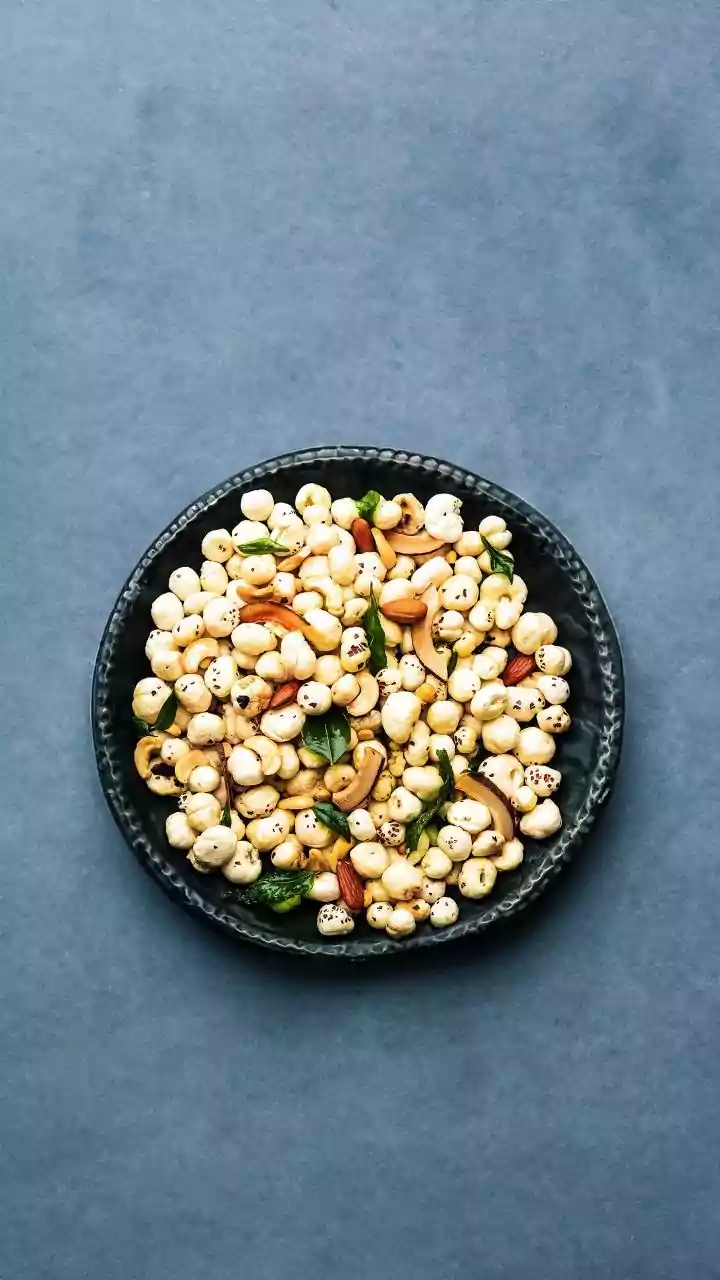
The functional food trend in India is unique because it often blends modern nutritional science with traditional knowledge. While whey and plant-based proteins like pea and soy are popular, there's also a renewed interest in local, protein-rich ingredients. Millets, sattu (roasted gram flour), makhana (fox nuts), and various seeds are being rediscovered and marketed for their nutritional benefits. This allows consumers to embrace a modern, health-focused lifestyle without completely abandoning familiar tastes and ingredients. Brands are innovating by creating culturally relevant products, such as protein-fortified versions of traditional snacks or drinks, that resonate with local dietary habits.
The Future of the Indian Plate
The protein boom is not a fleeting fad; it is a cornerstone of India's evolving dietary landscape. The market for protein-based products is projected to grow exponentially, from around $4.58 billion in 2024 to over $16 billion by 2033. This growth will be driven by further innovation, including the expansion of plant-based proteins, which offer sustainability benefits alongside their health advantages. As incomes rise and nutritional awareness spreads, particularly in untapped rural markets, the demand for functional foods will only intensify. The challenge for the food industry will be to deliver these products at affordable prices without compromising on taste or trust.