



The Old 'Binge and Repent' Cycle
Think back to festive seasons past. The narrative was often dominated by anxiety. Tables laden with sweets and savouries were viewed as minefields. Conversations were peppered with phrases like "I shouldn't be eating this" or "I'll have to work this off
tomorrow." This cycle of indulgence followed by intense guilt and compensatory restriction has been the default for many. A 2020 survey showed that 63% of people wrestle with guilt over what they eat and drink during holidays. This mindset, heavily influenced by diet culture, frames food as either "good" or "bad," turning celebrations into a source of stress rather than joy. The pressure to maintain a perfect diet, even during special occasions, has left many feeling exhausted and disconnected from the true spirit of the festivities.
What’s Driving the Shift?
So, what’s changing? A growing collective fatigue with restrictive diet culture is a major factor. People are tired of the endless rules and the feeling of failure that often accompanies them. This has been amplified by the rise of the body positivity and body neutrality movements, which encourage self-compassion and respect for one's body, regardless of its size or shape. Social media, once a hotbed for diet promotion, now also hosts a powerful counter-narrative led by registered dietitians and mental health experts who champion intuitive eating. They advocate for making peace with food, honouring hunger cues, and focusing on how food makes you feel, not just its calorie count. This new wave of thinking suggests that enjoyment and health are not mutually exclusive.
Finding Your Practical Balance
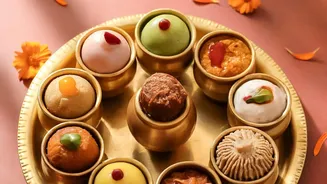
This new approach isn't about letting go of health goals; it’s about redefining them. Practical balance moves away from rigid control and towards mindful choices. It’s about giving yourself unconditional permission to enjoy all foods. When you know you can have a gulab jamun or a slice of cake anytime, the urgency to eat it all right now diminishes. Experts suggest focusing on an “all-or-nothing” mindset is the real cause of losing control, not the treats themselves. The goal is to eat in a way that makes you feel well, both physically and mentally. This involves paying attention to your body’s hunger and fullness signals, eating slowly to savour each bite, and recognising that one meal or one day of festive eating does not define your overall health.
A Toolkit for Guilt-Free Celebrations
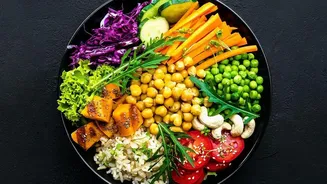
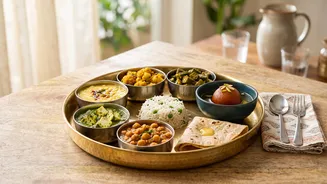
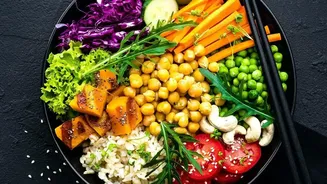
Putting this into practice can feel liberating. A key strategy is to avoid arriving at a celebration ravenously hungry. Skipping meals to “save” calories often backfires, leading to overeating and discomfort. Instead, eat your regular meals throughout the day. When you fill your plate, aim for a mix of foods. Include lean proteins and high-fibre vegetables, which help you feel full and satisfied. Most importantly, practice mindful eating. Pay attention to the flavours, textures, and aromas of the food. By slowing down and engaging your senses, you enhance enjoyment and are better able to notice when you are comfortably full. And if you do eat more than intended, the key is to respond with self-compassion, not punishment. Simply return to your usual eating patterns at the next meal.
Remembering the Bigger Picture
Ultimately, festivals are about much more than food. They are about connection, tradition, family, and creating memories. Shifting the focus from what’s on your plate to the people you’re with can reduce food-related anxiety. Engage in conversations, participate in traditions, and allow yourself to be present in the moment. Food is a part of the celebration, but it doesn’t have to be the entire focus. By embracing this balanced perspective, you can honour your health and your traditions, making space for both nourishment and joy. The conversation is changing because we are realising that the most important part of any festival is the feeling of celebration, not a tally of calories.