
Why Drainage Is Critical This Month
August's persistent rainfall can be a double-edged sword. While plants thrive on water, an overabundance saturates the soil, pushing out the oxygen that roots need to breathe. This leads to a condition called root rot, where roots essentially suffocate
and begin to decay. The result is a plant that wilts and turns yellow, looking thirsty despite being in soggy soil. During the Indian monsoon, heavy clay soils, common in many regions, are particularly vulnerable to compaction and poor drainage. Without a proper plan, the very rains that promise growth can end up destroying your garden. Taking proactive steps this month is key to ensuring your plants survive and flourish through the wettest part of the year.
Immediate Fixes for Potted Plants
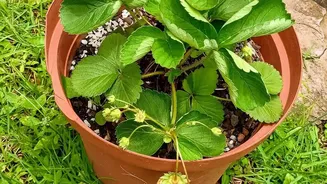
Container gardens are especially at risk during heavy downpours. The first step is to ensure every pot has unobstructed drainage holes. Lift your pots off the ground using bricks, pot feet, or simple wooden blocks. Even a small gap of a few centimetres allows excess water to escape freely and prevents the holes from getting clogged with mud. If a plant is already waterlogged, avoid the temptation to add more water. Move it to a sheltered spot away from direct rain to allow the soil to dry out. Check the potting mix itself; if it feels heavy and dense, it's time to amend it. Creating a lighter, more aerated soil is far more effective than the old advice of adding a layer of gravel at the bottom, which can actually hinder drainage by creating a false water table.
Creating a Well-Draining Soil Mix
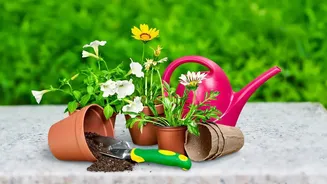
The secret to healthy roots during the monsoon is a well-aerated soil mix. Garden soil on its own is often too dense for containers. To improve its structure and drainage capacity, create a custom blend. A good, basic recipe is one part soil, one part compost, and one part drainage-improving material like coarse sand, coco peat, or perlite. Compost and other organic matter improve soil structure, creating air pockets for roots. Perlite, a lightweight volcanic rock, is excellent for loosening heavy soil and preventing compaction. Coarse river sand also works well, but avoid using fine construction sand, which can harden into a concrete-like mass when wet. This balanced mix ensures that water drains through while retaining enough moisture and nutrients for the plant.
Long-Term Solutions for Garden Beds
For plants in the ground, preventing water from pooling around the root zone is crucial. If you consistently notice standing water after rain, it's a sign of poor drainage. One of the most effective long-term solutions is building raised beds. Elevating the planting area by even 15-30 centimetres keeps roots above the soggiest ground, providing the excellent drainage that many vegetables and flowers need. Another strategy is to amend your garden soil directly by incorporating plenty of organic matter like compost or well-rotted manure. This improves the soil's overall structure. In areas with severe waterlogging, you can dig shallow channels or trenches to guide excess water away from your planting areas. These simple earthworks can make a significant difference during the heaviest showers.
The Smart Use of Mulch
Mulching is a beneficial practice, but its timing is important during the monsoon. Applying a thick layer of mulch while it's still raining heavily can sometimes trap too much moisture against the soil, worsening the problem. However, mulch is essential for preventing soil erosion caused by the force of heavy raindrops. The best approach is to apply a layer of organic mulch, like straw, wood chips, or dry leaves, once there is a break in the weather. This helps stabilize the soil, retains a healthy level of moisture, and prevents the topsoil from being washed away. Be sure to keep the mulch a few centimetres away from the plant stems to discourage fungal growth and rot.