







The Unshakeable Reign of Protein
Walk down any supermarket aisle, and the evidence is clear: protein is everywhere. It’s the hero ingredient in powders, bars, cereals, and even ice cream, promoted as the ultimate tool for muscle building, weight management, and satiety. The protein supplements
market in India reached approximately USD 912.9 million in 2025 and is projected to continue its strong growth. This boom is fuelled by rising health consciousness and a growing fitness culture. Protein's popularity is well-earned; as an essential macronutrient, it's crucial for building tissues, enzymes, and hormones. It has a high thermic effect, meaning your body uses more calories to digest it, and it excels at making you feel fuller for longer.
The Gut Health Revolution Begins
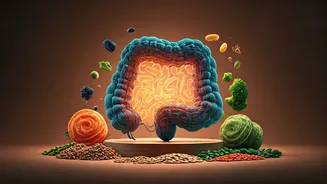
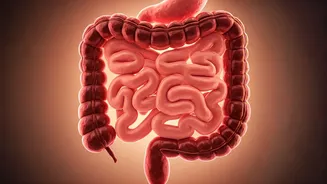
While protein was enjoying its time in the spotlight, a quieter revolution was brewing, centred around the gut. The concept of gut health—the balance of microorganisms in your digestive tract—has officially entered the mainstream, with no signs of slowing down. Globally, consumers are waking up to the fact that a healthy gut is foundational to overall physical and mental well-being. In India, digestive health is a significant concern, with a survey by ITC's food division showing that 56% of families report issues like gas and indigestion. This growing awareness has created a surge in demand for products that support the gut microbiome, with fibre emerging as a key player.
Fibre’s Modern Makeover
Fibre, long associated with boring cereals and merely as a tool for regularity, is getting a modern makeover. It is now understood as a prebiotic—a food source for the 'good' bacteria in your gut. When these bacteria ferment fibre, they produce compounds that reduce inflammation, support the intestinal lining, and improve immune function. This new understanding is driving market growth. The dietary fibre market in India is expanding rapidly, with some analysts projecting a compound annual growth rate (CAGR) as high as 12.3% through 2036. This growth rivals, and in some projections exceeds, the growth rate of the protein market. A 2025 NIQ survey found that 49% of Indian consumers plan to buy more high-fibre foods, signalling a clear shift in purchasing intent.
Beyond the Binary: Protein and Fibre Together
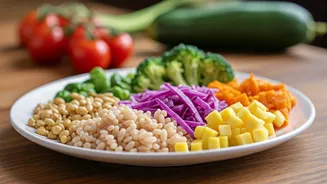
The rise of fibre isn't about dethroning protein but about creating a more balanced nutritional picture. Experts agree that pitting one against the other is a false choice; both are essential and play complementary roles. Protein provides the building blocks for the body, while fibre acts as the master regulator for your digestive system and gut microbiome. For managing appetite, the combination is particularly powerful. Protein signals satiety to the brain, while soluble fibre forms a gel-like substance in the stomach, slowing digestion and keeping you feeling full. Pairing lean protein with fibre-rich vegetables or whole grains can enhance fullness, support stable blood sugar, and promote long-term digestive wellness.
What This Means For Your Plate
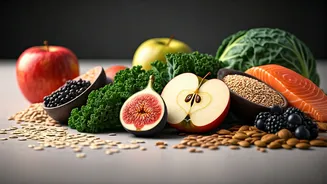
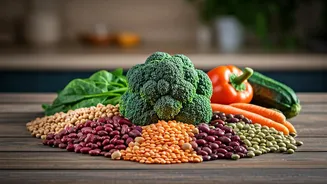
This shift from a single-nutrient focus to a more holistic view of health is a positive step. While most people consume enough protein, the vast majority fall short on their daily fibre intake. The goal isn't to stop prioritising protein but to start elevating fibre to the same level of importance. This means focusing on whole foods. Fibre is naturally abundant in plant-based foods like fruits, vegetables, whole grains, legumes, nuts, and seeds. Small changes can make a big difference: swapping white rice for brown, adding lentils to a soup, snacking on an apple instead of a packaged bar, or starting your day with oatmeal. The trend also indicates a maturing consumer base that is looking beyond simple marketing claims and toward ingredient transparency and overall wellness.