







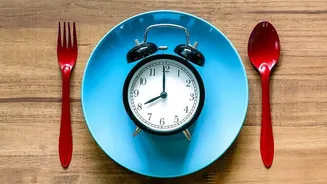
Your Body’s Internal Clock
Every person operates on a roughly 24-hour internal cycle known as the circadian rhythm. This biological clock governs everything from your sleep-wake cycle to hormone release and, crucially, digestion. It is primarily regulated by light and darkness,
signaling to your body when to be active and when to rest. Shift work forces your body into a state of misalignment, where you are awake and active when your internal clock is programmed for sleep and repair. This disruption is linked to a higher risk for conditions like diabetes, heart disease, and obesity.
What is Circadian-Aligned Eating?
The emerging field of chrononutrition studies how meal timing interacts with our circadian rhythms. The core idea is simple: eating during your body's natural 'daytime' phase, when your metabolism and digestive system are most efficient, can help mitigate some of the negative health effects of shift work. For night shift workers, this doesn't literally mean eating only when the sun is out. It means structuring your meals around your personal 'day'—the block of time you are awake—and minimizing food intake during your body's biological night, even if you are on the clock.
Strategy 1: Have Your Main Meal Before Your Shift
Your largest, most balanced meal should be what experts call an 'anchor meal', consumed before your shift begins. Aim to eat a substantial meal one to two hours before you clock in. This is when your body's ability to process food, especially carbohydrates, is at its peak. A pre-shift meal rich in lean protein, complex carbohydrates like brown rice, and plenty of vegetables provides sustained energy to carry you through the first several hours of work. This approach helps prevent the significant blood sugar spikes associated with eating large meals late at night.
Strategy 2: Smart, Light Snacking During Work Hours
While it's best to avoid large meals overnight, you may need a small boost to maintain energy and focus. The key is to snack smart. Instead of turning to vending machine sweets or greasy options, opt for light, high-protein snacks. Good choices include Greek yogurt, a hard-boiled egg, a handful of nuts, or hummus with vegetables. These foods provide stable energy without causing the sluggishness and digestive discomfort that can follow a heavy, late-night meal. Many experts recommend avoiding or significantly reducing food intake between midnight and 6 a.m.
Strategy 3: Define Your Eating Window
A popular and effective strategy is time-restricted eating (TRE), where you consume all your daily calories within a specific window, typically 8 to 10 hours long. For a shift worker, this might mean eating between 3 p.m. and 1 a.m., for example. Confining your food intake to your most active hours helps reinforce a more stable rhythm for your body. This practice has been shown to improve metabolic health by aligning your eating patterns more closely with your body's internal clocks. The goal is to finish your last meal several hours before you plan to go to sleep.
Strategy 4: Hydrate Well and Be Mindful of Caffeine
Dehydration is a common cause of fatigue, so sipping water throughout your shift is crucial for maintaining alertness. While caffeine can be a useful tool, its timing is critical. Enjoy a cup of coffee or tea at the beginning of your shift, but avoid it in the last 6 hours before you intend to sleep, as it can severely disrupt your ability to get quality rest. Sugary drinks should also be avoided, as they can lead to energy crashes and interfere with your body's already-challenged metabolic state.