





Why Sodium Matters for Athletes
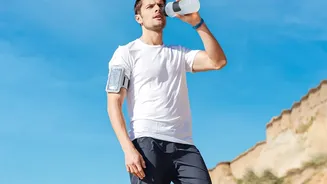
For anyone who exercises regularly, hydration is a familiar mantra. But true hydration is more than just water. It's about maintaining a crucial balance of electrolytes, with sodium being one of the most important. Sodium plays a vital role in nerve function,
muscle contraction, and maintaining your body's fluid balance. When you sweat, you lose both water and sodium. If you only replace the water, you risk diluting the sodium levels in your blood, a dangerous condition known as hyponatremia, which can cause symptoms from nausea and muscle cramps to confusion and, in severe cases, can be life-threatening. For athletes, especially those engaged in endurance activities lasting over an hour, managing sodium loss is critical for performance and safety.
The Challenge of Humid Conditions
Exercising in high humidity is particularly draining. Your body’s primary cooling mechanism is the evaporation of sweat from your skin. However, when the air is already saturated with moisture, sweat evaporates much less effectively. In response, your body's internal thermostat signals it to produce even more sweat in an attempt to cool down. This leads to significantly higher rates of fluid and electrolyte loss compared to training in dry heat. An athlete might lose up to two or three litres of sweat per hour in these conditions. This accelerated depletion makes it incredibly difficult to guess how much fluid and sodium you need to replace, often leading to performance declines, premature fatigue, and increased risk of heat-related illnesses.
Enter the Smart Sweat Patch
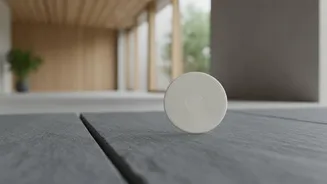
This is where smart patches come in, offering a leap from guesswork to data-driven personalization. These are small, flexible, single-use patches that adhere to your skin, typically on the forearm or bicep. They are designed to be non-invasive and capture and analyze your sweat in real-time as you exercise. Brands like Nix Biosensors and Gatorade (with its Gx Sweat Patch) have brought this technology from the sports science lab to the consumer market. These devices are part of a growing field of wearable biosensors aiming to provide molecular-level insights into your body's physiological state, moving beyond simple step counting and heart rate monitoring.
How the Technology Works
At their core, most smart patches use microfluidics and electrochemical sensors. As you start to sweat, the perspiration is collected and guided through tiny, intricate channels within the patch. Some patches, like the Gatorade Gx, use non-toxic food dyes that fill these channels, providing a visual indicator of your total sweat loss and an estimate of sodium concentration. You then scan the patch with a smartphone app to get your results. More advanced systems, like the Nix Hydration Biosensor, use a reusable electronic 'pod' that clips onto the single-use patch. This pod contains electrochemical sensors that continuously analyze the sweat as it flows through. These sensors can measure the concentration of electrolytes like sodium with high precision, sending the data wirelessly to your phone or sports watch in real-time.
Translating Data into Action
A smart patch doesn't just tell you that you're sweaty; it quantifies your personal fluid and sodium loss. The companion apps for these devices take your real-time sweat data and combine it with other variables like the type of exercise, its duration, and the environmental conditions. The result is a personalized hydration strategy. The app can tell you exactly how much fluid you've lost and, crucially, how much sodium you need to replenish. This might come as a recommendation to drink a specific amount of a particular sports drink or to add an electrolyte supplement. For the first time, athletes can see their unique sweat profile and understand if they are a 'salty sweater' who needs significantly more sodium replacement than average.
The Future of Personalized Hydration
While still an emerging technology, wearable sweat sensors represent a major step forward in personalized health and performance monitoring. They empower athletes to move beyond generic hydration advice and tailor their strategy to their unique physiology and the specific demands of their training session. The accuracy of these consumer devices is continually improving, with some validated in scientific studies against laboratory methods. As the technology becomes more sophisticated, patches may be able to monitor other biomarkers in sweat, such as glucose, lactate, or potassium, offering an even more comprehensive picture of your body's status. For anyone serious about training in the heat, these smart patches offer a powerful tool to optimize performance, enhance recovery, and stay safe.