

From Arid Sands to Verdant Paradise
For generations, Rajasthan’s peak tourist season has been synonymous with the cool, dry winter months. But recent trends indicate a significant shift. A growing wave of travellers are now visiting during the monsoon (July to September), drawn by the dramatic
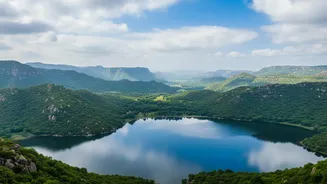
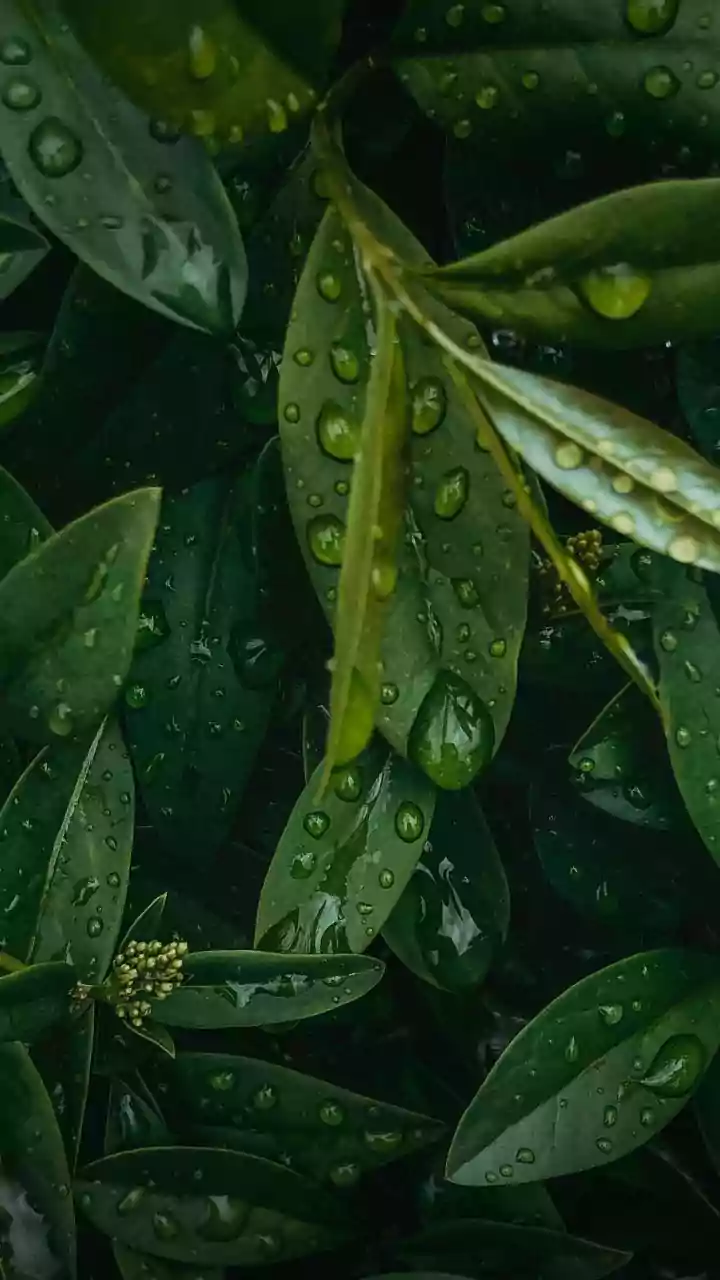
metamorphosis of the landscape. After months under a scorching sun, the rains breathe new life into the state, transforming it into a vibrant canvas of lush greenery and overflowing water bodies. This so-called “green tourism” has led to a notable surge in hotel bookings and travel, with people deliberately planning their trips around the rains instead of avoiding them. Improved road and air connectivity has made these spontaneous-feeling monsoon getaways easier to plan than ever before.
The Unique Allure of Ephemeral Oases
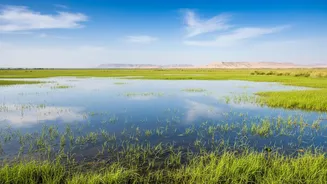
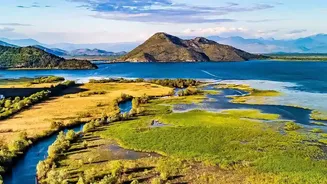
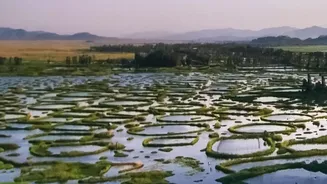
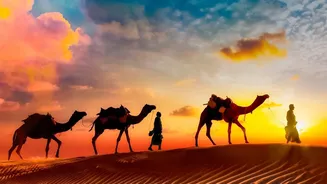
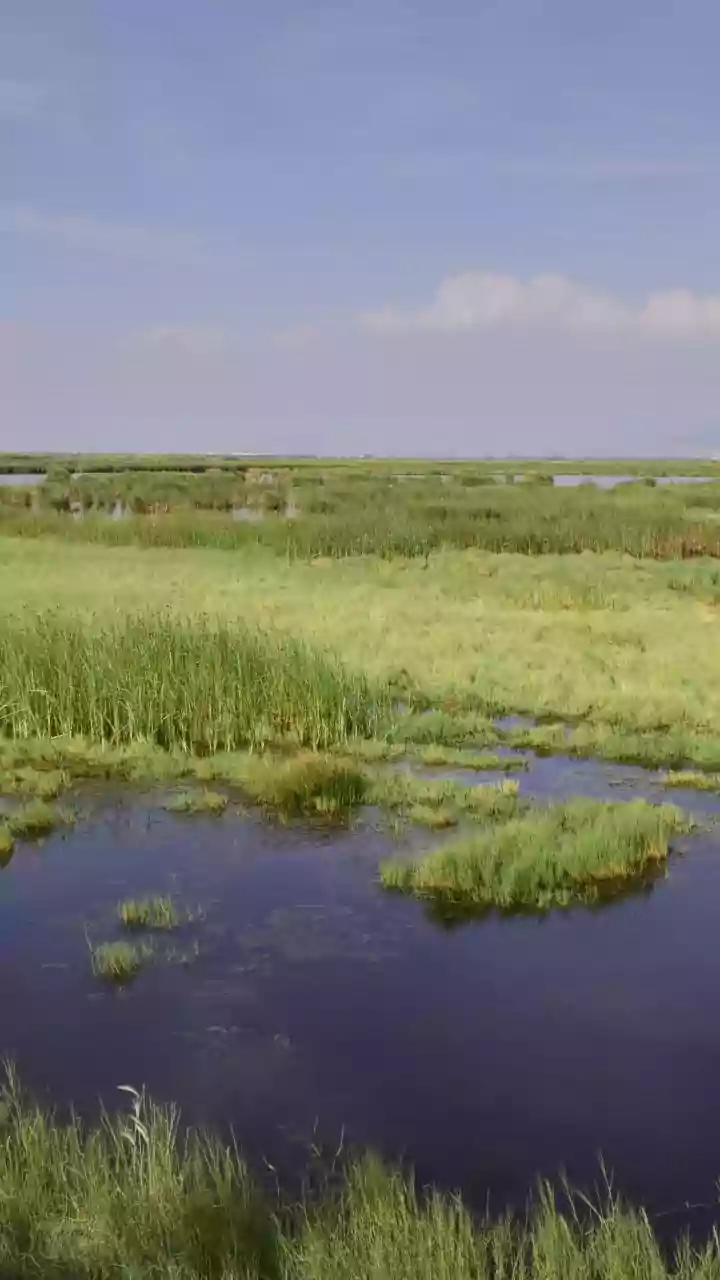
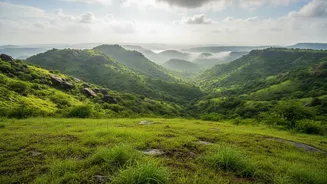
At the heart of this trend is the appeal of the 'wetland break'. This isn't about visiting established, year-round lakes, but about experiencing the temporary ecosystems that burst forth with the rains. The parched ground becomes a network of seasonal marshes and ponds, attracting a stunning variety of flora and fauna. This is the breeding season for many resident birds, and places like Keoladeo National Park in Bharatpur become a hive of activity with species like herons, egrets, and kingfishers. The entire Aravalli range sheds its brown coat for a blanket of green, offering misty viewpoints, gushing waterfalls, and a romantic atmosphere completely at odds with Rajasthan's desert stereotype.
Beyond the Golden Triangle
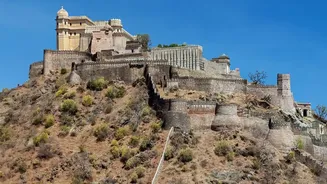
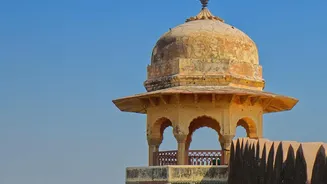
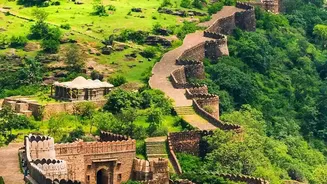
While Udaipur, the 'City of Lakes', is a natural monsoon favourite with its water levels replenished, travellers are increasingly venturing into lesser-known territories. Destinations like Bundi, a storybook town surrounded by orchards, and Kumbhalgarh, with its fort offering panoramic views of the green Aravallis, are gaining popularity. Wildlife enthusiasts are heading to the buffer zones of Sariska and Ranthambore for a different kind of safari experience amidst the flourishing jungle. Even newer wildlife sanctuaries like Ramgarh Vishdhari in Bundi and Mukundara Hills in Kota are emerging as major attractions. These trips often focus on scenic drives, like the winding road from Udaipur to Mount Abu or the journey through granite hills to Jawai, known for its leopard sightings.
A New Rhythm for State Tourism
This monsoon surge is reshaping the state's tourism economy, which has traditionally been highly seasonal. While winter remains the peak season for international tourists, the rise of domestic monsoon travel provides a much-needed economic cushion during what was once considered the off-season. Boutique hotels, resorts, and homestays, particularly those offering immersive nature experiences, are seeing a significant rise in occupancy. It signals a maturation in the domestic travel market, where tourists are moving beyond checkbox itineraries to seek out unique, experience-led stays that connect them with nature in its most vibrant form. This shift encourages a more sustainable, year-round tourism model, stabilizing local employment and income.