




The Record-Breaking Numbers
In August 2026, Mumbai is projected to have recorded 12,503 property registrations. This represents an 11% year-on-year increase and is the highest figure for the month in over a decade. The sustained activity also boosted the state exchequer, with stamp
duty collections rising by 12% to an estimated ₹1,123 crore. While there was a slight sequential dip from the numbers seen in July 2026, the strong annual growth underscores the market's robust health and sustained homebuyer interest despite high property values. This performance is not just a blip; it reflects a consistent trend of strong consumer confidence that has kept the market buoyant.
Sustained Buyer Confidence
The primary engine of this growth is unwavering buyer confidence. Unlike previous cycles driven by speculation, the current market is dominated by end-users—individuals and families purchasing homes for long-term ownership and stability. This shift towards genuine housing needs has created a more mature and stable market, less prone to volatile price swings. Experts note that today’s buyers are more discerning, prioritising well-located developments with quality infrastructure and modern amenities. This demand for quality living spaces, coupled with a strong preference for home ownership, continues to fuel transactions across both primary and secondary markets.
The Infrastructure and Redevelopment Push
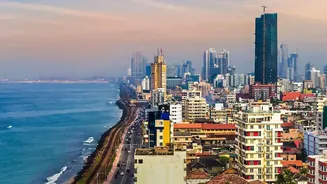
Mumbai's ongoing infrastructure revolution is a significant catalyst. Massive projects like the expanding Metro network, the Coastal Road, and improved connectivity to Navi Mumbai are transforming commute patterns and making previously overlooked areas more attractive. These projects don't just reduce travel time; they change the psychological perception of distance, bringing new locations into the 'livable' category for many buyers. Simultaneously, redevelopment is a major supply engine in a land-scarce city. The replacement of older, dilapidated buildings with modern, safer structures equipped with contemporary amenities is meeting the evolving needs of families and upgrading entire neighbourhoods, thereby driving demand.
Economic Stability and Favourable Conditions
A stable economic environment provides a solid foundation for the real estate market. Mumbai's role as India's financial capital ensures a strong employment base in sectors like finance, technology, and services, which supports housing demand. Furthermore, a period of relatively stable home loan interest rates has played a crucial role. While the Reserve Bank of India has been watchful, the absence of sharp hikes has kept borrowing costs predictable for homebuyers, allowing them to plan their finances with greater certainty. Industry insiders believe this stability has been key to maintaining momentum. Many developers have also been proactive, offering flexible payment plans and other incentives to attract buyers, especially as the festive season approaches.
What's Next for the Mumbai Market?
Looking ahead, the market appears poised to continue its steady growth trajectory. Analysts expect a moderate price appreciation in the range of 5% to 8% annually in many corridors, driven by fundamentals rather than speculation. The upcoming festive season, which traditionally sees an uptick in sales, is expected to benefit from the current positive sentiment. However, the focus is shifting. Buyers are increasingly prioritising functionality, efficient layouts, and reliable developers who can deliver on their promises. The market's long-term health will depend on continued infrastructure development, economic stability, and developers' ability to meet the demands of a more discerning and value-conscious homebuyer.