

The End of the Showroom Look
For decades, the hallmark of a 'well-designed' Indian living room was uniformity. A three-piece sofa set, a matching centre table, and coordinated side tables were signs of sophistication and order. This approach offered convenience and a sense of visual
safety; it was difficult to get wrong. Showrooms presented these collections as a complete package, and homeowners bought into the idea that a coordinated look was the aspirational standard. This method, however, often resulted in spaces that felt impersonal, more like a furniture catalogue than a reflection of the people living there. The emphasis was on a flawless, thematic interior that left little room for individual expression or the beautiful chaos of real life.
A Shift Towards Personal Expression
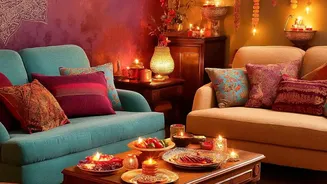
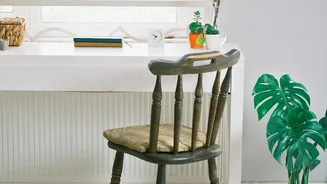
Today, the design narrative is changing dramatically. Homeowners are increasingly curating their spaces to appear as though they have been assembled over time. This shift is driven by a desire for homes that reflect personal journeys, memories, and individual tastes. The internet has played a huge role, with platforms like Pinterest and Instagram exposing people to global design trends and encouraging a more eclectic, mixed-and-matched approach. Rather than a room where everything matches, the goal is now a space where everything belongs. A contemporary sofa might be paired with a vintage armchair or a handcrafted wooden stool, creating a look that is relaxed, layered, and unique.
The Rise of the 'Statement' Piece
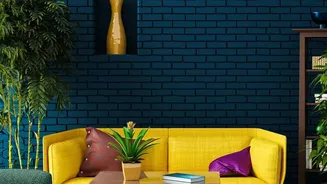
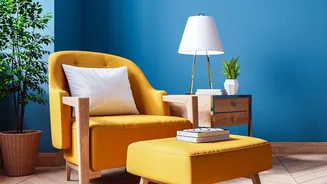
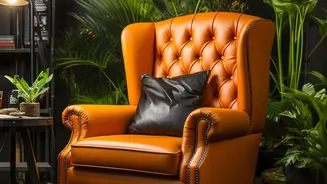
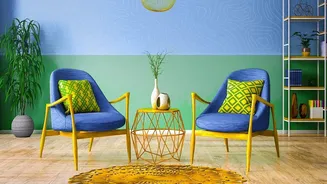
Central to this new philosophy is the concept of the 'statement piece'. Instead of a room of equals, one or two items are chosen to be the focal point. This could be a boldly coloured armchair, an intricately carved wooden cabinet, a sculptural coffee table, or a large piece of art. This single item sets the tone for the room, and other furniture pieces are chosen to complement it rather than compete with it. Designers suggest starting with a 'hero' piece and layering accents around it. This approach works especially well in smaller urban homes, where one significant item can anchor the space without cluttering it. Traditional Indian elements like a 'jhoola' (swing) or a carved 'damchiya' chest are being repurposed as modern statement pieces.
How to Master the Eclectic Mix
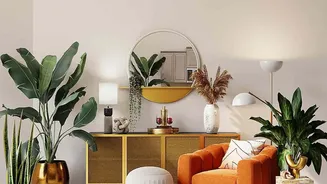
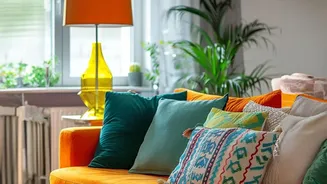
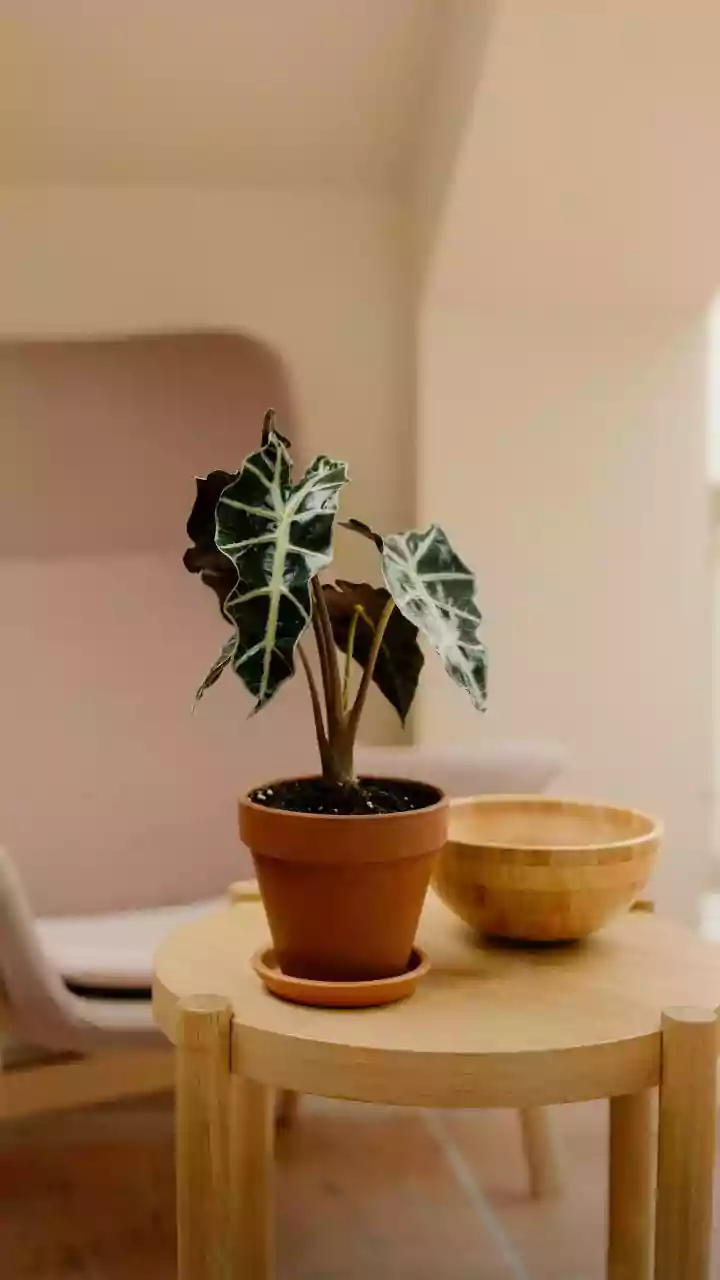
The secret to a successful eclectic look isn't chaos; it's creating harmony from differences. Designers advise finding a common thread to tie the disparate elements together. This unifying element could be a consistent colour palette, where different shades of the same colour appear across various pieces. It could also be a recurring material, like wood or brass, that appears in both modern and traditional forms. Another strategy is to balance textures—pairing a sleek, modern sofa with a rough, handwoven rug or a smooth metal lamp with a rustic wooden table. The key is to ensure that while the pieces don't match, they feel like they are in conversation with each other, creating a balanced and intentional space.
A Home That Tells a Story
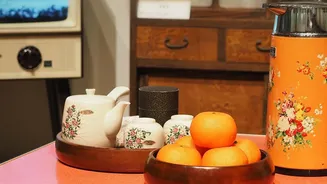
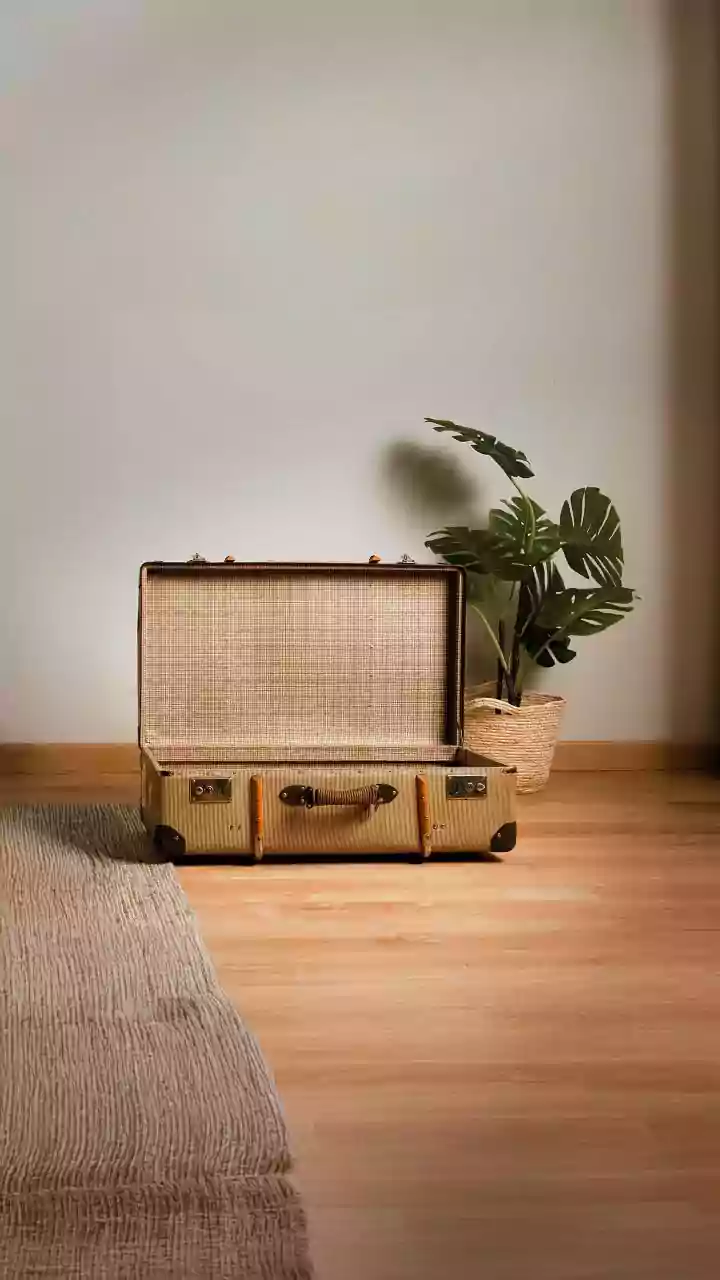
Ultimately, this trend is about more than just aesthetics; it's a move towards authenticity. A home filled with inherited heirlooms, travel souvenirs, and pieces collected over time has an emotional resonance that a showroom set can never replicate. It reflects a growing confidence among Indian homeowners to blend global trends with local craftsmanship, and to prioritise personal comfort over rigid design rules. The focus has shifted from creating a 'perfect' home to building one that is personal and full of stories. In a world of mass production, the new luxury is a space that feels uniquely curated, where every piece has a purpose and a history.