


From Guarded Secrets to Grand Showcases
In India, a family's recipes are often its most fiercely guarded legacy. Passed down through generations, these dishes carry the weight of history, memory, and regional identity. They are the flavours of festivals, the comfort of home, and the taste of a grandmother's
love. For decades, the thought of sharing these outside the family was unheard of. But a cultural shift is underway. Across the country, there's a growing movement to document and revive these so-called 'lost recipes' before they fade away. This isn't just about nostalgia; it's a conscious effort to preserve India's vast and diverse culinary heritage. And the most exciting part of this revival is happening in public, for everyone to taste and celebrate.
The Festival Stage
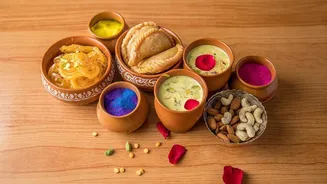
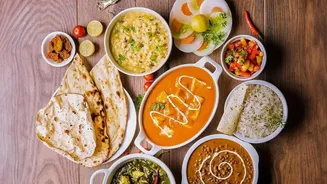
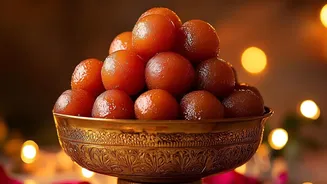
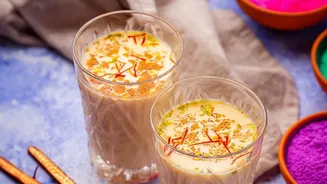
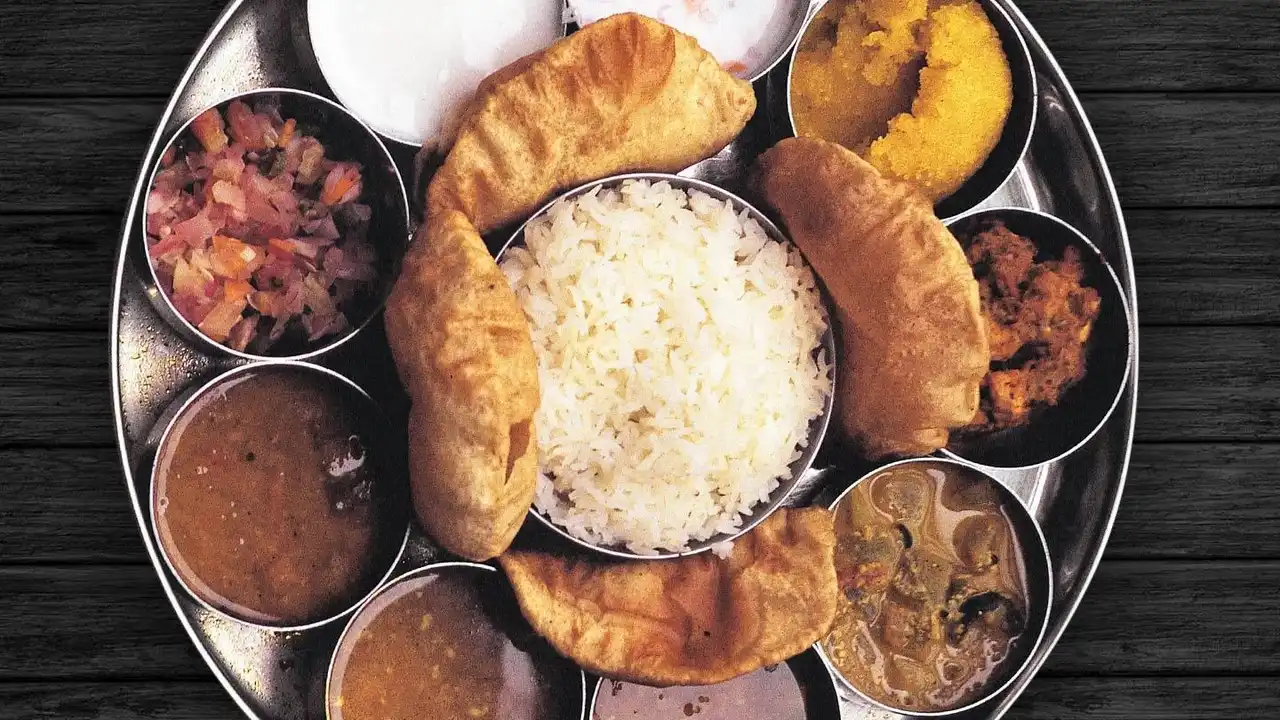
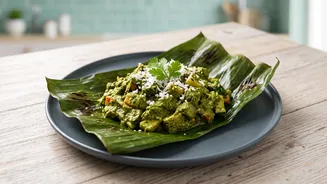
Food festivals have become the primary stage for this culinary renaissance. Events like the National Street Food Festival in Delhi, the Sattvik Food Festival in Ahmedabad, and various regional celebrations are no longer just about commercial restaurants. They are now vibrant platforms where home cooks are the stars, showcasing dishes that are rarely found on commercial menus. These festivals provide a unique opportunity for attendees to taste authentic, regional specialities that might otherwise remain unknown outside a specific community or household. From the complex flavours of a Kashmiri 'Hokh Syun' (sun-dried vegetable curry) to the unique Parsi 'Eeda Pak' (an egg-based sweet), these events are turning into living museums of Indian cuisine.
Empowering the Home Chef
This trend is also about empowerment. For years, the immense talent within India's home kitchens, largely driven by women, went unrecognised in a commercial sense. Now, festivals and digital platforms are creating unprecedented opportunities. They provide home-based food entrepreneurs a space to share their craft, build an audience, and gain financial independence. Organisations are emerging to help these chefs with everything from FSSAI food safety licensing to menu pricing and marketing, bridging the gap between a home kitchen and a hungry public. This movement not only celebrates food but also champions female entrepreneurship and gives a voice to the real keepers of India's culinary traditions.
A Modern Twist on Tradition
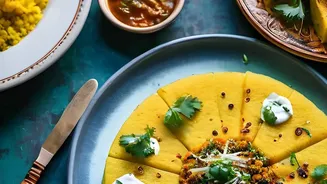
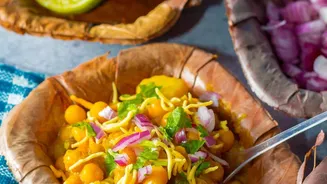
While the soul of the recipes remains traditional, the presentation is often refreshingly modern. This isn't about diluting heritage, but enhancing it. Chefs and home cooks are creatively reinterpreting classic dishes in ways that appeal to a new generation of food lovers. Imagine a Dahi Bhalla presented as a delicate pastry, a classic Khandvi served like an open ravioli, or Reshmi Kebabs paired with a cheese fondue. Other examples include a Butter Chicken Lasagna or Smashed Potato Chaat. These innovations prove that tradition and modernity can coexist beautifully on the same plate, keeping culinary heritage alive by making it exciting and relevant. The core flavours are respected, but the form is reimagined, creating a bridge between memory and a modern palate.