






A Strategic Policy Shift
The primary driver behind this transformation is a concerted effort by Indian Railways to increase its Non-Fare Revenue (NFR). For years, railway finances have been heavily dependent on passenger and freight fares, which are often kept low for social
reasons. To create a more sustainable financial model, the administration is now focused on monetising its vast real estate assets, including stations, land, and even the trains themselves. This strategy involves leasing out space for commercial activities, with food and beverage outlets being a key component. In late 2025, the Railway Board amended its catering policy to introduce a new category: 'Premium Brand Catering Outlets'. This officially opened the doors for well-known national and global brands to set up shop in stations, a space previously dominated by smaller, local vendors and basic refreshment stalls.
The Irresistible Pull of Footfall
For brands, the business case is compelling. Indian Railways is one of the largest rail networks in the world, with an average of over 23 million passengers travelling daily before the pandemic. This number represents a massive, captive audience with significant dwell time. Unlike high streets or malls where brands fight for attention, railway stations offer a constant stream of potential customers. Industry experts believe the sales potential at railway stations could even surpass that of airports. While airports may have higher average spending per person, the sheer volume of traffic at railway stations presents an unmatched opportunity for volume-led sales and a strong return on investment.
An 'Airport-Like' Experience
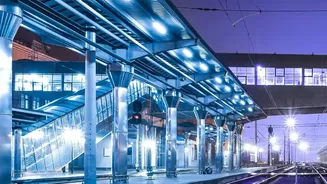
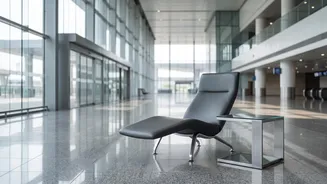
This commercial evolution is part of a larger vision to redevelop and modernise railway stations to provide an 'airport-like' experience. Projects under the Amrit Bharat Station Scheme are upgrading infrastructure, improving cleanliness, and adding modern passenger amenities. Allowing premium food outlets like McDonald's, KFC, Haldiram's, and Pizza Hut is a deliberate move to elevate the passenger experience, offering them familiar, hygienic, and high-quality dining options. This shift caters to the changing expectations of a new generation of travellers who desire better services and are willing to pay for them. The goal is to transform stations from gritty transit areas into organised, welcoming spaces that can also serve as urban hubs.
A Win-Win-Win Scenario
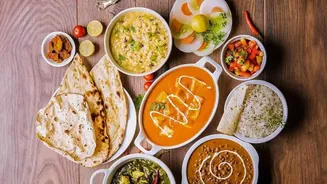
The establishment of branded food courts creates a mutually beneficial ecosystem. Indian Railways gains a significant and growing stream of non-fare revenue, which has already seen sharp growth in recent years and is being reinvested into improving infrastructure and services. For passengers, the benefits are obvious: more choice, better quality, and improved hygiene standards, moving beyond the limited options of traditional pantry cars. For the food brands, it opens up a lucrative new frontier for expansion with guaranteed footfall and high visibility. The process is structured through five-year licenses awarded via e-auctions, ensuring a transparent and organised system for allocating these premium commercial spaces.