




In the world of healthy eating, quinoa and lentils are titans. Both are praised for their versatility and impressive nutritional profiles, but they are not interchangeable. This detailed comparison will explore their differences, especially in minerals.
An Overview of Two Powerhouses
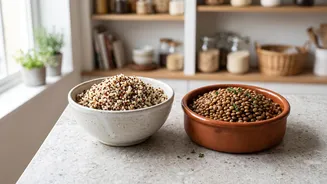
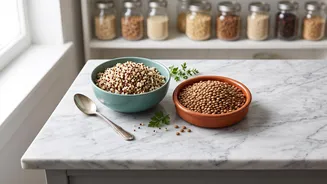
Quinoa, technically a seed eaten like a grain, and lentils, a member of the legume family, have become staples in kitchens worldwide. They are both celebrated as nutrient-dense alternatives to more refined carbohydrates. While they share similar calorie counts per cooked cup, their nutritional strengths diverge significantly, making one potentially better than the other depending on your specific health goals.
The Folate Face-Off
Folate, a crucial B vitamin essential for cell growth and DNA repair, is a key area where lentils have a distinct advantage. A single cooked cup of lentils can provide up to 18g of protein and a significant amount of your daily folate needs. Specifically, a half-cup serving of cooked lentils delivers about 179 micrograms (mcg) of folate, which is nearly 45% of the recommended daily intake for an adult. Quinoa also contains folate, but in much smaller quantities. For anyone focused on boosting their folate intake, particularly during pregnancy when it helps prevent birth defects, lentils are the clear winner.
A Duel of Essential Minerals
When it comes to other minerals like iron, magnesium, and potassium, the competition is more complex. Lentils are an excellent source of iron, containing more than double the amount found in quinoa per 100 grams. One study noted that green lentils are a particularly good source of bioaccessible iron. Lentils also come out ahead on potassium. However, quinoa fights back with magnesium. Per 100g, quinoa contains significantly more magnesium than lentils, a mineral vital for muscle function, nerve transmission, and maintaining a steady heartbeat. Quinoa also tends to be richer in manganese and zinc.
The Protein Question: Quality vs. Quantity
On a gram-for-gram basis, lentils offer more protein than quinoa. A cup of cooked lentils packs a powerful 16 to 18 grams of protein, compared to about 8 grams in a cup of cooked quinoa. However, the story changes when we look at protein quality. Quinoa is one of the few plant-based foods that is a 'complete protein', meaning it contains all nine essential amino acids that our bodies cannot produce on their own. Lentils are an 'incomplete protein'. While still a fantastic source, they need to be paired with other foods like grains over the course of a day to provide a full amino acid profile.
Fibre and Blood Sugar Control
Both foods are excellent sources of dietary fibre, which is crucial for digestive health, satiety, and managing blood sugar. Again, lentils take the lead in quantity, with about 16 grams of fibre per cooked cup, more than triple the 5 grams found in quinoa. This high fibre content helps slow digestion and stabilize blood sugar levels. Quinoa, while having less fibre, still boasts a low glycemic index of 53, meaning it also helps prevent sharp spikes in blood sugar. Its combination of fibre and protein makes it a beneficial choice for blood sugar management.
In the Kitchen: Cooking and Use
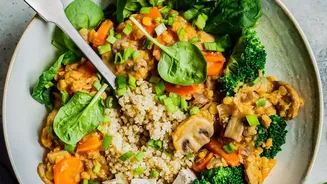
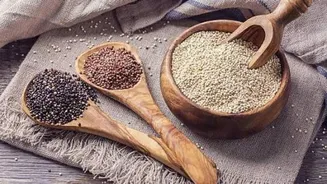
Beyond nutrition, practical differences in the kitchen might influence your choice. Lentils generally cook faster, especially red lentils, and are staples in soups, stews, and curries where they can break down and thicken the dish. Quinoa cooks in about 15 minutes and maintains its distinct, slightly fluffy texture, making it an ideal substitute for rice or a base for salads and grain bowls. It’s important to rinse quinoa before cooking to remove its natural coating of saponins, which can impart a bitter or soapy taste.