







Titanic: The Unsinkable Slow Burn
When James Cameron's Titanic was released in 1997, it didn't just break records; it rewrote the rules of a blockbuster run. With a then-colossal budget of $200 million, the film was a huge gamble. Its distribution was split between Paramount for North
America and 20th Century Fox for international markets. Instead of a massive opening followed by a quick drop-off, Titanic became a cultural phenomenon through incredible staying power. It remained in theatres for months, becoming the first film to gross over $1 billion worldwide. A key part of its strategy was a staggered international release that built on word-of-mouth. The film was released in 57 overseas markets, breaking the all-time box office record in every single one. This slow-burn approach, fueled by a powerful love story and groundbreaking visuals, allowed its legend to grow week after week, making it the highest-grossing film of all time for 12 years until Cameron outdid himself with Avatar.
Avatar: Engineering a Global Event
James Cameron proved lightning could strike twice with Avatar in 2009, a film that was not just released but launched. The distribution strategy was built around a singular idea: making the film a must-see technological spectacle. The marketing emphasized the groundbreaking 3D and IMAX experience, turning a trip to the cinema into an event. The global rollout was meticulously synchronized, with marketing materials and dubbing tailored for over 100 countries to ensure the film felt accessible to all cultures. Rather than front-loading the plot in trailers, the campaign focused on the visual mystery of Pandora, building immense curiosity. This strategy of positioning the film as a premium, immersive experience paid off, propelling Avatar to become the highest-grossing film of all time, with a worldwide gross of nearly $2.92 billion. The approach for its sequel, Avatar: The Way of Water, was even more complex, involving the creation of 1,065 unique versions of the film to optimize its presentation for different theatre technologies worldwide.
Avengers: Endgame: The Ultimate Global Blitz
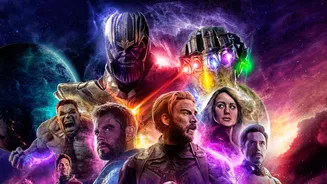
If Titanic was a slow burn and Avatar was a curated event, Avengers: Endgame was a global tidal wave. In 2019, Marvel Studios executed one of the most ambitious distribution strategies ever: a day-and-date release in nearly every major market. The goal was to create a singular, worldwide cinematic moment where everyone was part of the conversation at the same time, minimizing spoilers and maximizing hype. This unified global release was a massive logistical undertaking but was crucial in harnessing the pent-up demand from a decade of Marvel storytelling. The strategy worked flawlessly, leading to an unprecedented global opening weekend. The film's success was so monumental that a 2026 re-release, dubbed 'Endgame Encore,' was strategically planned to build hype for the next major installment, Avengers: Doomsday. This demonstrates a modern distribution philosophy where even a film's second run is a key part of a larger franchise marketing and distribution strategy.
Fast & Furious: Embracing the World
The Fast & Furious franchise offers a different, yet equally brilliant, lesson in global distribution: evolution. The first film in 2001 earned most of its money domestically. However, as the series evolved from street racing to global heists, so did its distribution focus. Universal Pictures recognized the immense potential in overseas markets and began tailoring the films for international appeal. Starting with Fast Five in 2011, the international box office began to dramatically outpace domestic earnings. Furious 7, for example, grossed over a billion dollars overseas, representing more than three-quarters of its total earnings. The franchise became a case study in how to build a global powerhouse by embracing an international cast, globe-trotting locations, and universally understood themes of action and family, proving that a series can grow its audience exponentially by looking beyond its original borders.