
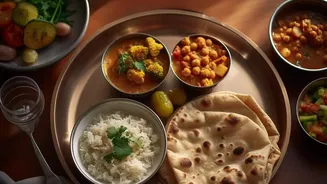
The New Festive Plate
A quiet revolution is simmering in Indian homes, where festive platters are undergoing a sophisticated transformation. While the soul of the food remains deeply traditional, the methods are increasingly global. This isn't about replacing classics but
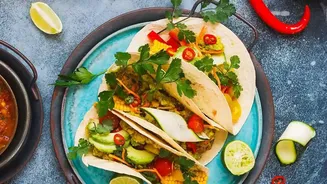
reimagining them. Think of a perfectly tender mutton raan, cooked for hours using a French sous-vide technique to achieve unparalleled succulence before being finished in a tandoor. Or consider the humble modak, traditionally steamed, now appearing in baked variations with inventive fillings. This trend marries the deep, complex flavours of Indian masalas with the precision of international culinary science, creating dishes that are both familiar and thrillingly new. Recent trends show a surge in fusion recipes that blend the best of both worlds.
From Tadka to Technique
The modern Indian home cook's arsenal is expanding beyond the trusted pressure cooker and kadhai. Techniques once confined to professional kitchens are now becoming festive staples. Sous-vide, a method of cooking food sealed in a bag in a precisely controlled water bath, is being used to cook everything from paneer tikka to lamb biryani, ensuring every morsel is tender and flavour-infused. Deconstruction, a concept from molecular gastronomy, is inspiring home cooks to break down classic dishes into their core components and present them in new ways, like a chaat served as a flavour-packed sphere. Even baking has seen a creative surge, with home chefs using puff pastry to create samosa pinwheels or turning classic sweets like gulab jamun and rasmalai into stunning layered cakes and cheesecakes. These methods allow for greater control, consistency, and a touch of restaurant-quality finesse.
The Social Media Influence
What’s driving this creative explosion? A major catalyst is our interconnected world. Platforms like Instagram and YouTube have become virtual culinary schools, where visually stunning food trends go viral. Indian home cooks, exposed to global cooking shows and international food bloggers, are more curious and confident than ever. Seeing a deconstructed dessert or a perfectly executed sous-vide dish online is no longer just aspirational; it’s an invitation to experiment. This digital exposure demystifies complex techniques and provides endless inspiration. A beautifully plated dish is not just for eating anymore; it’s a statement, a creative expression to be shared with friends and followers, turning every festival into a photogenic feast.
Tradition, Reimagined
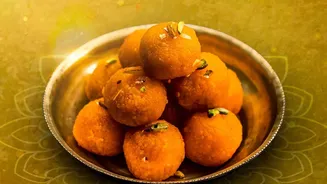
Crucially, this trend is not about abandoning heritage. Instead, it's about honouring it with a fresh perspective. The goal is to enhance, not erase. A motichoor ladoo cheesecake still delivers the nostalgic, nutty flavour of the original sweet, but presents it within the creamy, luxurious texture of a Western dessert. Similarly, pani puri might be served with flavoured foams instead of spiced water, or a spicy vindaloo sauce might find its way into lasagna cups. These fusion dishes often become the talk of the party because they bridge generational tastes; they offer the comfort of familiar flavours to older family members while exciting younger ones with a novel presentation and form. It’s a delicious dialogue between the past and the present.
Accessible Gourmet
This wave of experimentation is also fueled by greater access to once-exclusive ingredients and equipment. What was once the domain of high-end restaurants is now available to the passionate home cook. Air fryers are used for healthier versions of festive snacks, while stand mixers and food processors make complex preparations easier. The availability of international ingredients, from French puff pastry to different types of cheese, has also broadened the culinary horizon. This democratization of tools and ingredients has empowered home cooks to move beyond being followers of recipes to becoming true culinary creators in their own right, confidently blending techniques to put their unique spin on celebratory meals.