

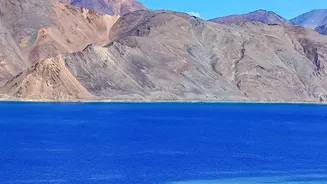
Ladakh: The Dry Escape with a Catch
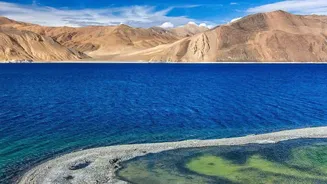
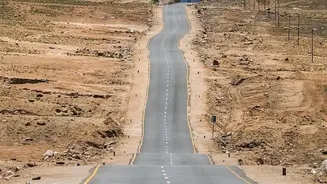
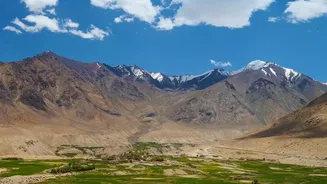
For those looking to escape the rain entirely, Ladakh seems like the perfect answer. Situated in a rain shadow created by the Himalayas, this high-altitude desert remains mostly dry and sunny through August, while the rest of India is drenched. Temperatures
are pleasant, hovering between 15°C and 25°C during the day, making it ideal for sightseeing, trekking, and visiting monasteries under clear blue skies. All major internal roads to popular spots like Nubra Valley and Pangong Lake are typically open. The primary weather risk isn't in Ladakh itself, but in getting there. Both the Manali-Leh and Srinagar-Leh highways, the two road routes into the region, pass through areas that receive heavy monsoon rains. This can lead to dangerous water crossings, slippery conditions, and frequent landslides, causing temporary but significant road closures. While the Border Roads Organisation works quickly to clear blockages, delays are a real possibility. For this reason, many travellers in August opt to fly directly into Leh, which is the most predictable and safest way to arrive, though it requires a couple of days of acclimatisation to the high altitude.
Kerala: Embracing the Full Monsoon Experience
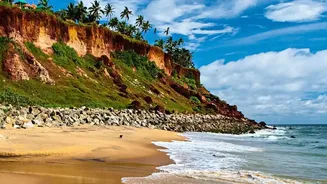
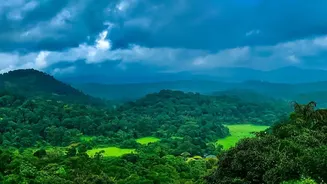
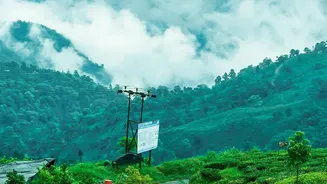
If your goal is to experience the monsoon in all its glory, Kerala is the classic choice. The landscape becomes exceptionally lush and vibrant, waterfalls are at their most powerful, and the backwaters of Alleppey take on a cinematic quality. The state experiences its main southwest monsoon from June to August, so you should expect consistent, often heavy, rainfall. This creates a romantic, rejuvenating atmosphere that many travellers seek. Another significant upside is that the cool, moist climate is considered the ideal time for Ayurvedic treatments, as the body is believed to be more receptive to therapies like Panchakarma. The risks, however, are directly tied to this heavy rainfall. The hilly districts of the Western Ghats, such as Wayanad and Idukki, are particularly vulnerable to landslides, a recurring and serious hazard in the state. Heavy downpours can also cause localised flooding and disrupt travel plans. While August generally sees less rainfall than June and July, high-intensity showers are still common. If you choose Kerala, it's wise to build flexibility into your itinerary and stay updated on local weather advisories, especially if travelling through mountainous regions.
Goa: The Quiet, Green Off-Season
Monsoon transforms Goa from a bustling beach party hub into a tranquil, green paradise. The biggest draws are the significantly smaller crowds, lower prices for hotels, and the stunningly verdant countryside. This is the time to explore Goa's other side: thundering waterfalls like Dudhsagar, spice plantations, serene river cruises, and the charming, rain-washed lanes of Fontainhas. While many beach shacks close down, a different culinary scene comes alive in local taverns and restaurants. The weather risk in Goa is less about landslides and more about the sea. The Arabian Sea becomes rough and volatile, with strong rip currents that make swimming and most water sports unsafe. Beaches are often red-flagged. You can expect frequent and intense downpours, but they often come in spells, with periods of sunshine in between. High humidity is a constant, making the air feel sticky even when it isn't raining. Goa in the monsoon is not a typical beach holiday; it's a trip for those who appreciate nature, solitude, and a slower pace.
The Verdict: Your Ideal Monsoon Match
Choosing between these three destinations comes down to your personal tolerance for risk and your travel style. - Go to Ladakh if: You want to avoid rain almost completely and enjoy clear, sunny skies. Your biggest risk is the journey there, which is best mitigated by flying. It's the destination for adventure and dramatic, arid landscapes. - Go to Kerala if: You want the full, immersive monsoon experience with lush greenery and the option for wellness treatments. Your biggest risk is heavy rain causing travel disruptions and, in hilly areas, landslides. It's for romantics and those seeking rejuvenation. - Go to Goa if: You want a quiet, budget-friendly getaway surrounded by vibrant nature and are not focused on beach activities. Your biggest risk is being unable to swim or do water sports due to rough seas. It's for slow travellers and nature lovers.