



The Layering System: Your Core Strategy
The secret to multi-climate travel isn't packing more; it's packing smarter with layers. This modular approach allows you to adapt to any temperature by adding or removing items. Think of your wardrobe in three parts. First is the base layer, which sits
against your skin and should manage moisture. Second is the mid-layer, which provides insulation and traps body heat. This could be a fleece or a lightweight wool sweater. Third is the outer shell, your protection against wind and rain, like a packable waterproof jacket. In hot weather, you might only wear the base layer. As it gets colder, you add the mid-layer for warmth and the outer shell for protection from the elements. This system is far more versatile and space-efficient than packing separate outfits for each climate.
Choose Your Fabrics Wisely
The right materials are crucial for comfort and packability. For your base and mid-layers, merino wool is a champion. It's breathable in the heat, provides excellent warmth when it's cold, and naturally resists odours, meaning you can wear it multiple times before washing. This drastically cuts down on the number of items you need to pack. For hot and humid conditions, fabrics like linen and Tencel are highly breathable, but they can be prone to wrinkles and less durable for rugged travel. Modern synthetic fabrics, like polyester and nylon blends, are also fantastic options. They are durable, quick-drying, and often wrinkle-resistant, making them ideal for everything from hiking trousers to technical t-shirts. Avoid heavy cottons like denim and bulky sweatshirts; they take up too much space and dry very slowly.
Embrace Multi-Purpose Gear
Every item in your bag should earn its place, and the best ones perform multiple jobs. A large, lightweight scarf or a sarong can be a beach cover-up, a towel, a shoulder covering for visiting temples, or an accessory for warmth. Look for trousers made from a quick-dry technical material that are styled smartly enough for a city dinner but are practical enough for a day hike. A packable insulated jacket (filled with either down or a synthetic alternative) provides incredible warmth for its low weight and can be compressed into a tiny sack when not in use. This single item can be the difference between shivering on a mountain and feeling perfectly comfortable. Choosing versatile, neutral colours allows you to mix and match every piece, multiplying your outfit combinations without overpacking.
A Smart Two-Shoe Strategy
Footwear is often the bulkiest and most challenging part of packing. For a multi-climate trip, you rarely need more than two pairs. The first should be a durable, comfortable, and preferably water-resistant closed-toe shoe. This could be a trail runner, a stylish leather boot, or a high-top sneaker. This will be your go-to for travel days, walking, hiking, and cooler weather. Wear this pair on the plane to save significant space and weight in your luggage. The second pair should be lightweight and suited for warm weather, such as a pair of sturdy sandals that can handle a walk on the beach or a stroll through a city, or a pair of simple flats. This combination covers almost every situation you'll encounter without forcing you to haul around a collection of heavy shoes.
Maximise Small Accessories
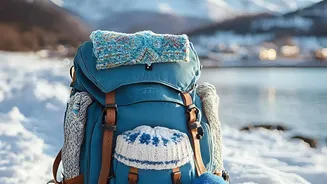
Never underestimate the power of small accessories to transform your comfort level. A warm beanie, a pair of gloves, and a pair of warm wool socks take up minimal space but are essential for cold mountain passes or chilly evenings. They add a significant amount of warmth without the bulk of another heavy sweater. Likewise, a packable sun hat and sunglasses are non-negotiable for protecting yourself in both coastal and high-altitude sun. These small items allow you to fine-tune your core layered outfits for the specific conditions of the day, giving you a huge range of comfort from just a few key pieces of clothing.