





The Snacking Trance
It’s that mid-afternoon slump at your desk, the late-evening scroll through your phone, or the binge-watching session that stretches into the night. Your brain is occupied, but your hand starts reaching for something to nibble on. This is mindless snacking—eating
not out of true hunger, but out of boredom, habit, stress, or environmental cues. The problem is, the foods we typically choose for these moments are often the worst for us. They’re engineered for overconsumption, providing a fleeting moment of satisfaction followed by a desire for more, without offering any real nutritional value.
The Problem with Salty Snacks
Think about the usual suspects: potato chips, salted pretzels, and savoury biscuits. They are masters of deception. Their high salt content is intensely flavourful, triggering reward centres in our brain. However, this very saltiness also encourages you to eat more and more, creating a cycle that’s hard to break. Furthermore, these snacks are often high in refined carbohydrates and unhealthy fats, leading to a quick spike in blood sugar followed by a crash. This leaves you feeling sluggish and, ironically, ready for another snack shortly after. They provide a lot of calories with very little substance, making them a poor choice for anyone, especially the unconscious snacker.
Why Unsalted Nuts Are Different
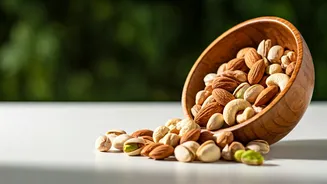
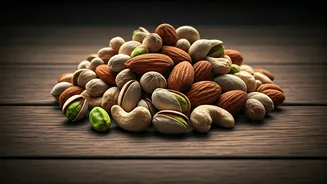
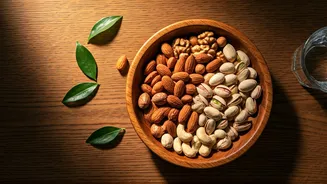
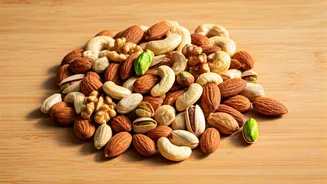
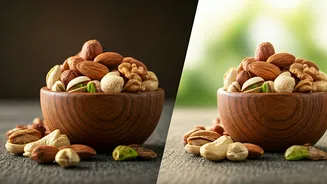
This is where unsalted nuts enter the picture as a true game-changer. Stripped of the addictive quality of added salt, their value comes from their intrinsic properties. Nuts like almonds, walnuts, pistachios, and cashews are nutritional powerhouses. They are packed with a balanced mix of healthy monounsaturated and polyunsaturated fats, plant-based protein, and dietary fibre. This trio of nutrients is the secret to their success as a snack. Unlike the empty calories in a bag of chips, the calories in nuts come with a wealth of vitamins and minerals, including magnesium, vitamin E, and antioxidants that support overall health.
The Science of Feeling Full
The magic of unsalted nuts lies in their ability to promote satiety—the feeling of being full and satisfied. The protein and fibre slow down digestion, which helps to stabilise blood sugar levels and prevent the dramatic energy crashes associated with high-carb snacks. The healthy fats also play a crucial role in signalling fullness to your brain. When you eat a handful of almonds, your body has to work harder to break them down compared to a processed chip that dissolves almost instantly. This process takes time, giving your body the chance to register that it has received fuel, thus naturally curbing your appetite and preventing you from overeating.
Breaking the 'More-ish' Cycle
By choosing unsalted varieties, you actively break the psychological loop that high-sodium snacks create. Salt drives thirst, but it also creates a craving for another salty bite. Without this artificial flavour enhancer, you are more likely to listen to your body's true hunger and satiety signals. You’ll find that a small handful of unsalted nuts is often enough to quell your snacking urge. The act of eating them—especially nuts still in their shells, like pistachios—can also slow you down. The need to shell them forces you to be more mindful and gives your body time to feel full, short-circuiting the 'mindless' aspect of the habit.
A Practical Guide to Nut Snacking
To get the most benefit, portion control is still key. A good serving size is about a small handful, or roughly 30 grams. This gives you all the benefits without excessive calories. Keep a small container of mixed, unsalted nuts at your desk or in your bag. Raw or dry-roasted are both excellent choices. Walnuts are fantastic for their omega-3 fatty acids, almonds are high in vitamin E, and pistachios offer a satisfying crunch and the bonus of slowing you down if you buy them in-shell. By making this simple swap, you’re not just choosing a better snack; you’re transforming a mindless habit into a nourishing one.