








The Old Model Is Breaking
For decades, the path to fitness in urban India was a straight line to the nearest gym. The model was built on long-term contracts and the promise of transformation. However, many young professionals and students found themselves locked into expensive
memberships that didn't align with their unpredictable schedules or holistic wellness goals. A 2022 survey highlighted a key frustration: overcrowded facilities during peak hours, turning a stress-relieving activity into a stressful wait for equipment. This inefficiency, coupled with the realisation that motivation is hard to sustain alone, has pushed many to question the value proposition of a traditional gym membership.
Fitness That Fits Your Life
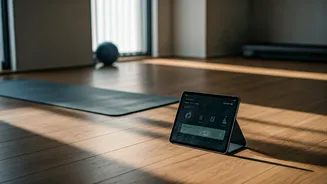
The single biggest driver of the shift to hybrid routines is flexibility. The post-pandemic work culture, with its blend of office and remote days, has conditioned a generation to expect adaptability in all areas of life, including fitness. A hybrid routine acknowledges this reality. It might mean a high-intensity gym session on Monday, a live-streamed yoga class from home on Wednesday, and a run in the park tracked by a fitness app on Saturday. This model scraps the all-or-nothing mentality. Instead of feeling guilty for missing a gym day, users simply pivot to a different activity that fits their schedule, energy level, and location. This adaptability has been shown to lead to higher consistency in the long run.
The Power of Your Phone
Technology is the engine of this new fitness era. The boom in fitness apps, wearables, and online platforms has put a personal trainer, nutritionist, and data analyst in everyone's pocket. Smartwatches and fitness trackers provide real-time feedback on performance, sleep, and recovery, making users more attuned to their bodies. Apps like Cult.fit have successfully blended digital content with offline facilities, offering everything from on-demand workout videos and live classes to access to a network of brick-and-mortar gyms and boutique studios. This digital integration makes fitness more engaging, personalised, and, crucially, measurable, which helps maintain motivation.
Smarter Spending on Sweat
The economics of fitness are also a major factor. A standard annual gym membership can be a significant upfront cost, with monthly fees ranging from ₹1,500 to over ₹4,000 for mid-range facilities in major cities. Many young Indians are instead opting for a more fragmented but cost-effective approach. They might subscribe to a fitness app for a few hundred rupees a month, pay per session for a specialised class like Pilates or MMA, and supplement this with free content on YouTube. Boutique studios, though sometimes pricier per session, offer specialised, community-focused experiences that many find more valuable and motivating than a generic gym floor. This pay-as-you-go or subscription-based model provides better financial control and aligns spending with actual usage.
More Than Just Muscles
The very definition of 'fitness' has expanded. For many young people, wellness is now a holistic concept that includes mental and emotional health, not just physical strength. The goal is no longer just about building muscle or losing weight, but about improving flexibility, managing stress, and enhancing overall quality of life. This has fueled the popularity of activities like yoga, mindfulness, and mobility work, which are often practiced outside traditional gym environments. The rise of social fitness—joining run clubs, playing sports like pickleball, or attending group dance classes—also highlights a desire for community and fun, elements that are sometimes lacking in the solitary environment of a large commercial gym.