








Why Your Degree Isn't Enough
In a sea of candidates with similar qualifications, recruiters are looking for proof of practical ability. While your academic scores are important, they don't tell the whole story. Companies report a significant gap between theoretical knowledge and the practical skills
needed to solve real business problems. This is where a portfolio becomes your greatest asset. It's a curated collection of your work that demonstrates your skills, problem-solving abilities, and potential to contribute from day one. For freshers, who lack formal work experience, a portfolio is the primary evidence of their capabilities.
What if I Have No Experience?
This is the most common concern for freshers, but 'no experience' doesn't mean 'nothing to show'. You can build a compelling portfolio even without a formal job. Start with the projects you've completed in college—these demonstrate your academic capabilities. Then, go further by creating mock projects. For example, redesign a local company's website, create a social media marketing strategy for a brand you admire, or build a simple app to solve a daily problem. You can also contribute to open-source projects, participate in hackathons, or do pro bono work for a small business or NGO. The goal is to create tangible evidence of your skills and initiative.
What Goes into a Winning Portfolio?
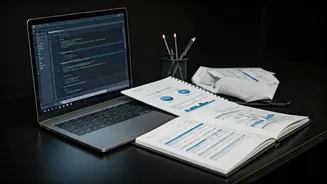
Quality trumps quantity. It's better to have 3-5 strong, well-documented projects than a dozen unfinished ones. Each project in your portfolio should be a case study. Don't just show the final result; explain the process. Describe the problem you were trying to solve, the steps you took, the skills and tools you used, and the final outcome. Include visuals like screenshots, code snippets, or live demos. For technical roles, a detailed README file on GitHub is essential. For marketing or design roles, show data, analytics, or the strategic thinking behind your campaign. Finally, add a personal bio that introduces who you are and what you do.
Choosing the Right Platform
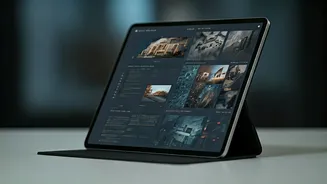
How you present your work is as important as the work itself. Fortunately, there are many user-friendly platforms, many of them free. For developers, a well-maintained GitHub profile is non-negotiable and can be enhanced with GitHub Pages. For designers and artists, platforms like Behance, Dribbble, or Adobe Portfolio are the industry standard. For marketers, writers, and other professionals, a personal website is a great option. Builders like Wix, Squarespace, or even Google Sites allow you to create a professional-looking site with no coding knowledge. There are also India-specific platforms like Fueler and SitesPlaced designed to help students showcase their work. The key is to choose a platform that best suits your field and makes your work easy to view.
Make It Easy for Recruiters
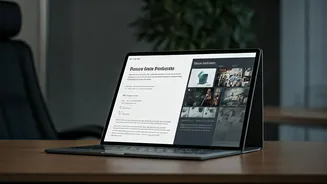
Recruiters spend only a few seconds scanning a resume or portfolio, so clarity and structure are vital. Make sure your portfolio is clean, easy to navigate, and mobile-friendly, as many recruiters review applications on their phones. Your contact information and a link to your resume should be easy to find. Tailor your portfolio for the job you're applying for. If you're applying for a role that requires a specific skill, make sure the projects demonstrating that skill are front and center. Your portfolio isn't a static document; it should evolve with your skills and career goals. Keep it updated with your latest and best work.