







The Direct Hit: From Crude to Corporate Costs
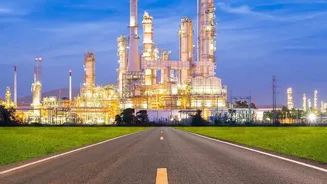
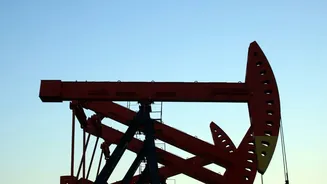
The journey of rising costs for Indian businesses begins with the price of crude oil on the international market. As India imports the vast majority of its oil requirements, any global surge directly impacts the country's finances. Recent geopolitical
tensions and supply concerns have kept Brent crude prices elevated, with the Indian crude basket recently touching its highest levels since March 2026. This immediately translates to higher procurement costs for state-run oil marketing companies. While these retailers don't always pass on the full increase to consumers at the petrol pump due to political sensitivities, the pressure inevitably builds, leading to periodic hikes in petrol and diesel prices that serve as the first major shock to the corporate ecosystem.
Logistics: The Economy’s Lifeline Under Pressure
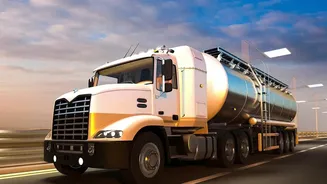
Once fuel prices rise, the most immediate and widespread impact is felt in logistics and transportation. Diesel is the lifeblood of India's trucking industry, which handles the majority of freight movement across the country. According to industry studies, fuel can account for anywhere from 40% to 65% of a truck's total operating cost. Consequently, when diesel becomes more expensive, freight rates inevitably follow. Transporter associations have begun implementing fuel-linked surcharges, allowing them to automatically increase freight charges in response to rising diesel prices. This isn't just a problem for trucking; aviation and shipping also face pressure from pricier Aviation Turbine Fuel (ATF) and bunker fuel, with shipping lines introducing emergency surcharges on cargo. This ripple effect ensures that virtually every business that moves goods faces higher expenses.
Which Sectors Are Most Vulnerable?
While rising fuel costs affect everyone, some sectors are hit harder than others. Industries with high-volume, low-margin products that require extensive distribution are particularly vulnerable. This includes Fast-Moving Consumer Goods (FMCG), where companies face a double whammy of increased transport costs for distribution and higher prices for plastic packaging, a crude oil derivative. The food and agriculture supply chain, which relies heavily on diesel for everything from irrigation to transportation of perishable goods like fruits and vegetables, feels the impact almost immediately. Other heavily affected industries include cement, steel, chemicals, and auto manufacturing, all of which have significant transportation needs for raw materials and finished products. Even the burgeoning e-commerce and ride-hailing sectors are not immune, with executives warning that sustained fuel price hikes could lead to higher delivery fees and fares.
The Battle for Margins: Absorb, Pass On, or Innovate?
Faced with this onslaught of rising costs, businesses are caught in a difficult position. The primary challenge is protecting their profit margins. The first option is to absorb the costs, but this directly impacts profitability and is often unsustainable in the long run, especially for smaller enterprises. The second, more common option is to pass the increased costs on to the end consumer. However, this carries the risk of dampening demand, as higher prices can lead households to cut back on spending. This delicate balancing act forces companies to explore a third path: innovation and efficiency. Many are now aggressively pursuing strategies to mitigate logistics expenses, such as route optimisation using AI, consolidating shipments to ensure trucks run at full capacity, and improving warehouse management. Some are also exploring a long-term shift towards electric vehicles for their delivery fleets to reduce dependence on fossil fuels.