
Why Your Label Needs More Detail
A simple 'Chicken Soup, July 24' label is a good start, but it falls short on a busy weeknight. Does it serve one person or four? Can you microwave it or does it need to be thawed first? These details are the difference between a convenient meal and a frustrating
puzzle. Effective labelling helps you track what you have, reduces food waste, and makes meal prep far more efficient. By including not just the 'what' and 'when', but also the 'how many' and 'how to', you turn your freezer into a reliable extension of your pantry.
The Importance of Portion Size
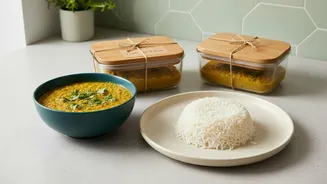
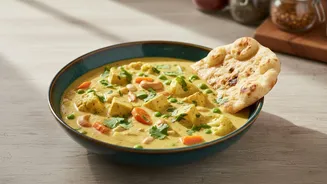
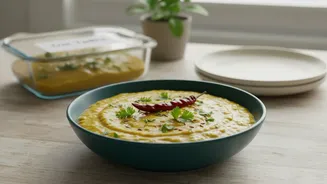
Before you even reach for a pen, consider the portion. Freezing a giant block of chilli when you live alone means you either eat chilli for a week or risk wasting it, as refreezing thawed food can affect its quality and safety. Instead, divide meals into practical quantities before freezing. Think in terms of single servings for quick lunches or family-sized portions for a full dinner. This ensures you only thaw what you need, preserving the rest. Using uniform, stackable containers for these portions will also save valuable freezer space and make finding what you need much easier.
Essential Reheating Instructions
Never assume you'll remember the best way to reheat a meal you froze months ago. Future you will be grateful for clear instructions. Is it best heated from frozen or should it be thawed overnight in the fridge? Note the ideal method (oven, microwave, or stovetop) and any specific settings. For example: 'Thaw overnight. Reheat in oven at 350°F for 20 mins' or 'Microwave from frozen for 4-5 mins, stirring halfway'. These notes are particularly important for items with different components, like a casserole with a crumb topping that would turn soggy in the microwave. Providing this guidance ensures the meal is enjoyed with the texture and flavour you intended.
Crafting the Perfect Label
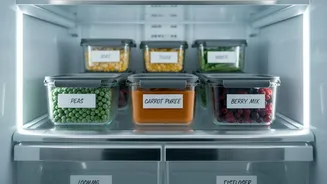
Once you have your portion and reheating plan, it’s time to write the label. Every effective freezer label should include four key things: the name of the dish, the date it was frozen, the portion size or number of servings, and the reheating instructions. This simple system, often called FIFO (First-In, First-Out), is used in professional kitchens to ensure older items are used first, which is a great practice for home cooks to adopt. For example: 'Beef Lasagne | Frozen: 24/07/26 | 2 Servings | Bake 350°F for 40 mins from frozen'.
Choosing the Right Tools
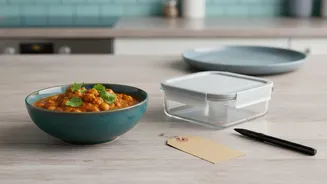
Your labelling system will only work if the labels themselves can withstand the freezer's harsh environment of cold and moisture. Regular pens can smudge and standard labels often peel off. Invest in markers specifically designed for freezer use, as their oil-based inks remain stable in the cold. Freezer tape or specialty freezer labels are also essential, as their adhesive is formulated to stay put at low temperatures. Some people find success writing directly on plastic bags or containers with a permanent marker, but ensure the surface is dry and at room temperature before writing for the best results.