

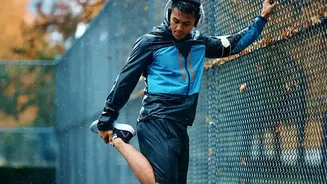

The New Post-Run Ritual
Across cities, runners are embracing an efficient and powerful recovery tool: short hot-cold water rotations. Known clinically as contrast water therapy (CWT), the practice involves alternating between hot and cold water immersion immediately after a workout.
While elite athletes have used dedicated plunge pools for years, this trend is being driven by its accessibility. Urban runners are discovering they can achieve significant benefits using just their own shower, making it a perfect fit for apartment living and busy lifestyles. This isn't just about feeling better; it's a strategic method to bounce back faster for the next run, which is why it is becoming a go-to for post-workout routines.
The Science Behind the Shock
The magic of contrast therapy lies in its effect on your circulatory system. When you expose your body to heat, your blood vessels widen in a process called vasodilation, increasing blood flow to your skin and muscles. This helps deliver oxygen and nutrients essential for repair. When you switch to cold, the opposite happens: your blood vessels narrow through vasoconstriction, which helps reduce inflammation, swelling, and the perception of pain. This rapid alternation between hot and cold creates a “vascular pump” effect. This action flushes out metabolic waste products like lactic acid from your muscles, which can contribute to fatigue and soreness. Studies have found this process can significantly reduce delayed-onset muscle soreness (DOMS) and fatigue compared to just resting.
A Perfect Fit for the Urban Athlete
So why is this particular method resonating so strongly with urban runners right now? The primary driver is efficiency. City life is demanding, and few have time for lengthy recovery protocols. Short rotations deliver proven benefits in a compressed timeframe. Furthermore, the constant stress of running on hard surfaces like concrete and asphalt makes effective recovery non-negotiable for injury prevention. Contrast showers offer a way to actively combat the inflammation and muscle damage that is a byproduct of urban running. The rise of wellness and recovery studios in major cities, which offer access to saunas and cold plunges, also points to a growing demand for these therapies among a mainstream fitness audience. It’s a solution that is both scientifically sound and practically suited to the constraints of a modern, active life.
How to Do It Right at Home
You don't need a fancy spa to try contrast therapy. A simple shower will do. The key is consistency and committing to the temperature change. A common, effective protocol is to start with three minutes of hot water, as warm as you can comfortably tolerate. Then, switch the water to cold for 30 to 60 seconds. The cold should be genuinely cold to trigger vasoconstriction, but start with what is tolerable and build up over time. Repeat this cycle three to four times, always ending on cold. The final cold blast is important; it constricts the superficial blood vessels, and your body will quickly work to warm itself up afterward. For best results, perform this routine within a few hours after a strenuous run to maximize its impact on muscle soreness and inflammation.
Is It Worth the Discomfort?
The initial shock of the cold water can be intense, but the benefits often outweigh the brief discomfort. Research shows that both hot and cold water immersion can lead to better next-day performance compared to passive recovery (doing nothing at all). Athletes report feeling less fatigue and perceive a significant reduction in muscle soreness. However, it's important to distinguish between the normal muscle soreness of a hard workout and the pain of an actual injury. Contrast therapy is a recovery tool, not a cure for sprains or tears. It helps your body manage the after-effects of strenuous exercise, but it won't fix an underlying injury. Think of it as an upgrade to your recovery toolkit, helping you stay more consistent with your training by making the day after a long run feel much more manageable.