



Basmati: The Aromatic King
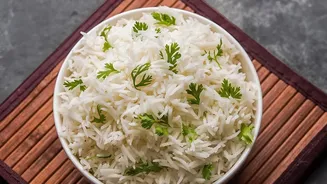
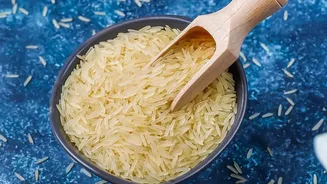
Perhaps the most famous Indian rice, Basmati is a long-grain variety prized for its distinct aroma and fluffy texture when cooked. Grown in the foothills of the Himalayas, its grains are slender and remain separate after cooking, making it the undisputed
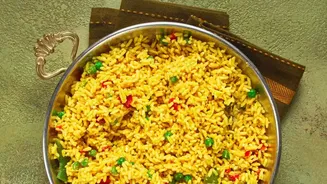
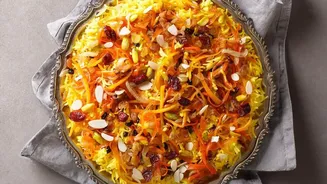
choice for celebratory dishes like Biryani and Pulao. To prepare Basmati for a dish like biryani, it's essential to wash the rice thoroughly to remove excess starch and then soak it for about 20-30 minutes. This pre-soak helps the grains elongate further and cook evenly. For biryani, the rice is often par-boiled until it's about 70-75% cooked before being layered with meat or vegetables and steamed in a sealed pot, a method known as 'dum'. The ideal water-to-rice ratio is typically around 1.5 to 2 cups of water for every cup of rice, ensuring each grain is perfectly tender and distinct.
Sona Masuri: The Everyday Essential
Travel south, and you'll find Sona Masuri reigning supreme in the states of Andhra Pradesh, Telangana, and Karnataka. This medium-grain rice is lightweight, aromatic, and a staple for daily meals. It's less starchy than other varieties, which means it doesn't clump together, resulting in a soft, fluffy texture perfect for pairing with dal, sambar, or rasam. Cooking Sona Masuri is straightforward; a simple rinse followed by a 1:2 rice-to-water ratio usually yields excellent results, whether on the stovetop or in a rice cooker. Its versatility also makes it a good base for dishes like lemon rice, coconut rice, and even for preparing idli and dosa batter.
Matta Rice: The Hearty Grain of Kerala
With its distinctive reddish-brown hue and robust, earthy flavour, Palakkadan Matta rice is a cornerstone of Keralan cuisine. This indigenous variety, which has a Geographical Indication (GI) tag, is a parboiled, unpolished rice that retains its bran layer, making it rich in fibre, magnesium, and calcium. Its coarse texture and nutritional benefits make it a healthier alternative to polished white rice. Matta rice requires a longer cooking time and more water than white rice varieties. It is the traditional choice for a Kerala sadya (feast) and is used to make classic dishes like appam (hoppers), idlis, and a comforting porridge called kanji. Its bold flavour and firm texture hold up beautifully against the rich, coconut-based curries typical of the region.
Gobindobhog: The Fragrant Gem of Bengal
Native to West Bengal, Gobindobhog is a short-grain, aromatic rice with a naturally sweet and buttery flavour. Its name translates to "offering to Gobindo" (Lord Krishna), signifying its cultural importance in religious ceremonies and festivals. When cooked, Gobindobhog becomes soft and slightly sticky, making it the perfect vehicle for absorbing flavours. This quality makes it indispensable for quintessential Bengali dishes like khichuri (a rich rice and lentil dish), payesh (rice pudding), and Basanti Pulao, a sweet and fragrant yellow rice dish. The captivating aroma it releases while cooking is one of its most cherished characteristics.
Ambemohar: The Scent of Mango Blossoms
From Maharashtra comes Ambemohar, a short-grain rice named for the fragrant mango blossoms it smells of when cooked. Historically favored in the courts of the Peshwas, this rice is known for cooking into soft, slightly sticky grains that tend to clump together. This texture makes it particularly suitable for young children and the elderly. It is the traditional choice for making soft rice preparations to be eaten with dal (varan bhaat), as well as for dishes like masala bhat (spiced rice) and vapholya, a festive dish made during Makar Sankranti. While its strong aroma is its main draw, it is also appreciated for being easy to digest.