

Footwear: Grip is Everything
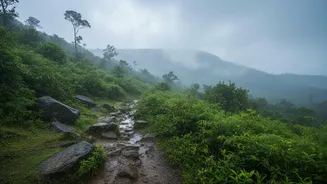
This is the most critical decision you'll make. The volcanic basalt rock of the Sahyadris becomes incredibly slippery when wet and mossy. Your regular running shoes or sneakers will not suffice; they are genuinely dangerous on these trails. Invest in proper
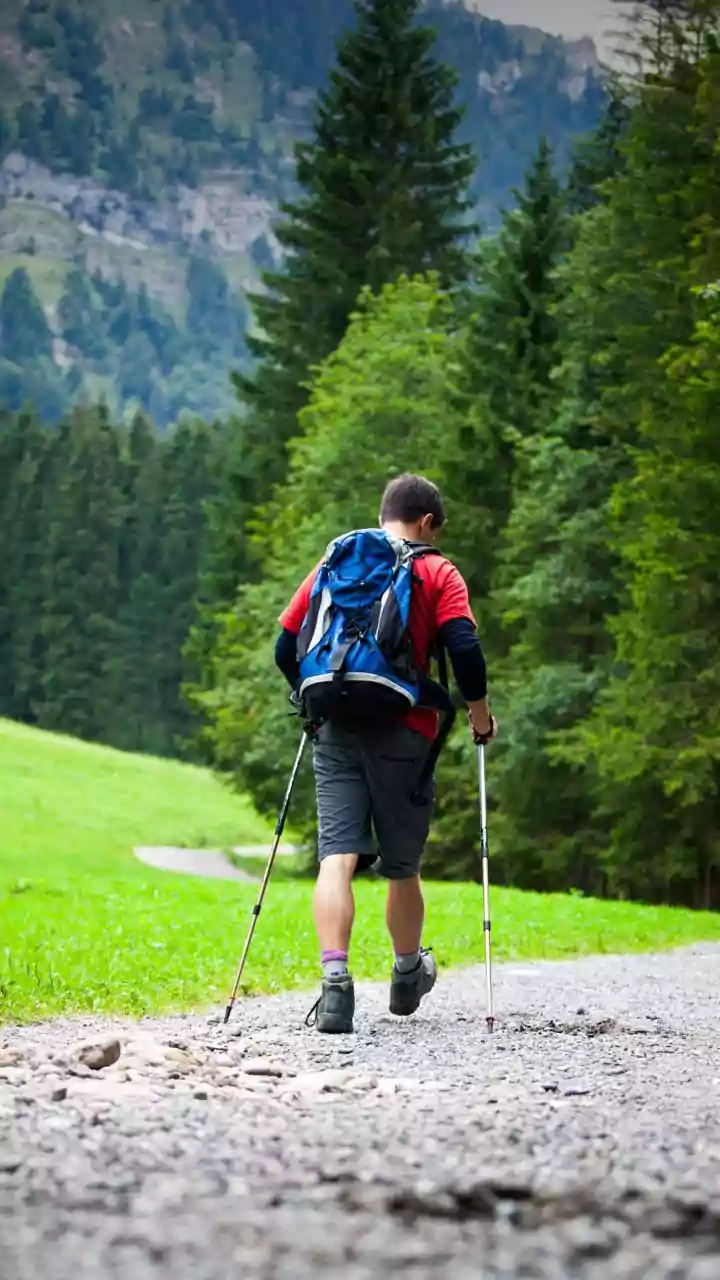
trekking shoes with high ankle support and deep-grooved rubber soles for superior grip. Look for shoes with gum rubber outsoles, which perform exceptionally well on the wet rocks typical of the Western Ghats. While fully waterproof shoes seem logical, many experienced trekkers prefer water-resistant models that are more breathable. In continuous, heavy rain, water will inevitably get in over the collar, and a waterproof membrane can trap it, leaving your feet soaking. The priority is grip and a shoe that drains well, paired with the right socks.
Rainwear: The Poncho vs. Jacket Debate
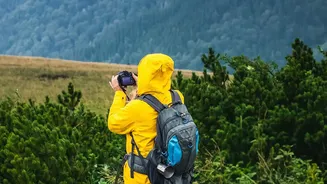
Staying dry is key to staying warm and comfortable. You have two main options: a traditional rain jacket and pants, or a poncho. A good quality jacket and pants offer better freedom of movement. However, a poncho is an excellent choice for its versatility and coverage. It can be quickly thrown over both you and your backpack, offering an extra layer of protection for your gear. For occasional trekkers on easier trails, a poncho is a cost-effective and practical solution. Whatever you choose, ensure it's packed at the very top of your bag for quick access when the rain starts suddenly.
Backpack and Pack Protection
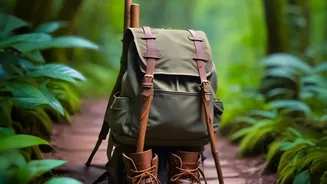
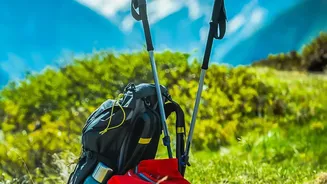
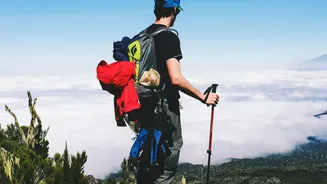
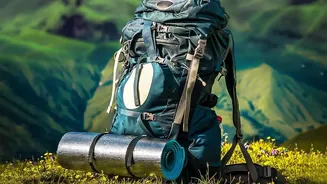
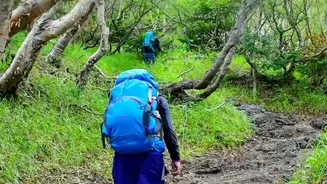
For a long weekend trek, a 20-35 litre daypack is usually sufficient. The most crucial feature for a monsoon trek is waterproofing. Even if your bag claims to be water-resistant, it will not withstand hours of Ghats rain. Use a dedicated rain cover for your backpack. For a second layer of defence, pack all your essentials—electronics, a change of clothes, snacks, and your first-aid kit—inside dry bags or heavy-duty plastic bags. This 'double-bagging' system ensures that even if your main pack gets damp, your critical items remain perfectly dry.
Clothing: Ditch the Cotton
Wearing cotton is a common rookie mistake. Cotton absorbs a massive amount of moisture and takes a very long time to dry, leaving you cold, heavy, and uncomfortable. Instead, opt for quick-drying synthetic fabrics like polyester or nylon for your t-shirts and trekking pants. Full-length trousers tucked into your socks are recommended for forested trails to protect against scratches and leeches. Always carry at least one complete, extra set of dry clothes sealed in a waterproof bag. Changing into dry clothes at the end of the day is not a luxury; it's essential for comfort and preventing chills.
Dealing with Leeches
On many forested trails in the Western Ghats, leeches are an unavoidable part of the monsoon experience. While they are largely harmless and don't transmit diseases in India, they can be a nuisance. The best defence is prevention: wear full-length trousers tucked into your socks, and consider using leech-proof socks for added protection. If you do find a leech on you, do not pull it off forcefully. Instead, sprinkle a little salt or use a hand sanitiser on it, and it will drop off on its own. The key is to remain calm and manage them methodically.
Safety and Navigation Essentials
Even on a well-marked trail, it's vital to be prepared. Carry a basic first-aid kit containing antiseptic wipes, bandages, blister tape, and any personal medications. A headlamp or torch is non-negotiable, even for a day hike, in case of unexpected delays that keep you on the trail after dark. While your phone is a great navigation tool, be sure to download offline maps as network coverage can be unreliable. A fully charged power bank is a must. Finally, a whistle is a lightweight but powerful safety tool to signal for help in an emergency.