






A New Space Race, Fuelled by Policy
The skies have opened for India's private space sector. Thanks to government reforms like the Indian Space Policy 2023 and the creation of the regulatory body IN-SPACe, the number of private space startups has surged from just a handful to over 400. These
policies have democratised the sector, allowing Non-Government Entities (NGEs) to participate in everything from building launch vehicles to providing satellite-based services. This has unleashed a wave of innovation and, crucially, a surge in hiring. Projections show India's space economy could grow fivefold to $44 billion by 2033, and this expansion is creating a high-tech job market that is actively retaining and attracting top Indian talent.
Upstream: Building the Hardware
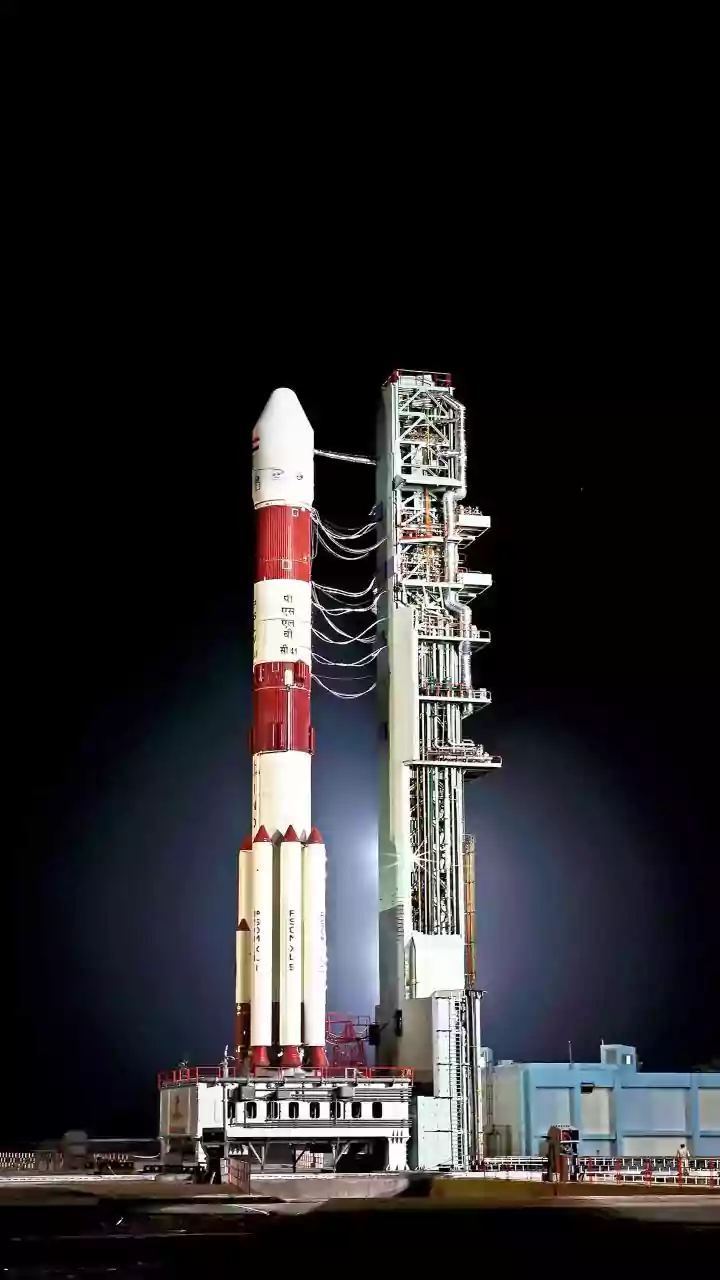
The "upstream" part of the space industry involves everything needed to get into space. This includes designing, manufacturing, and launching rockets and satellites. Companies like Hyderabad-based Skyroot Aerospace, which successfully launched India's first privately built orbital rocket, and Chennai's Agnikul Cosmos, known for its 3D-printed rocket engines, are major players here. They are hiring aggressively for roles in propulsion engineering, avionics, structural design, and advanced manufacturing. Other key companies in this segment include Dhruva Space, which builds satellite platforms, and Bellatrix Aerospace, which focuses on in-space propulsion systems. These firms are looking for mechanical, electrical, and aerospace engineers who can build the physical infrastructure for India's future in space.
Downstream: The Data Revolution from Space
While rockets grab headlines, much of the economic value of space is created "downstream"—using data from satellites to provide services on Earth. This is where the demand for AI, machine learning, and data science professionals is exploding. Bengaluru-based Pixxel, for instance, is building a constellation of hyperspectral imaging satellites and hiring data scientists to analyse the information for agriculture, mining, and environmental monitoring. The downstream sector is creating opportunities for geospatial analysts, remote sensing specialists, and software developers who can build applications on top of satellite data. This segment connects space technology directly to industries like telecom, urban planning, and disaster management.
It's Not Just for Rocket Scientists
A common misconception is that you need to be an aerospace engineer to work in the space industry. The reality is far broader. The current hiring boom includes a demand for software engineers with knowledge of Python and MATLAB, materials scientists, and even experts in fuel chemistry. As the industry matures, it's also creating roles for professionals in business development, space law, policy, and communications. The sector is increasingly drawing talent from adjacent industries like automotive, electronics, and data analytics, valuing their proven skills in high-precision environments. While there is a recognised shortage of specialised talent in niche areas like rocketry, many companies are investing heavily in training recruits from other engineering streams.
How to Get on Board
For students and professionals looking to enter this field, building a strong foundation in physics and mathematics is crucial. For technical roles, a degree in engineering or computer science is standard. However, practical experience is what sets candidates apart. Internships are a prime pathway into full-time roles at startups like Skyroot, Agnikul, and Pixxel. Following company founders and engineering leads on professional networking platforms like LinkedIn can provide direct insight into hiring needs. The work culture is often described as fast-paced and mission-driven, with flatter hierarchies than in traditional industries, offering a chance for rapid learning and high impact.