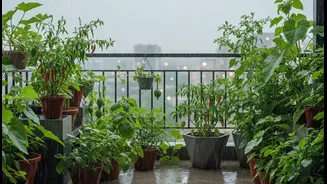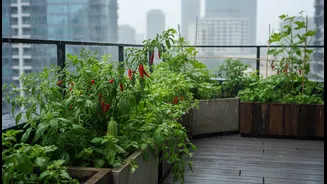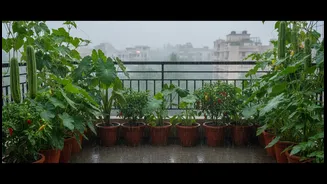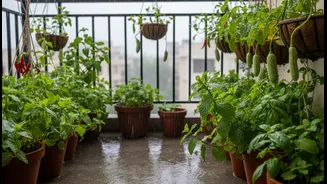




The Renter-Friendly Foundation: Pots and Placement
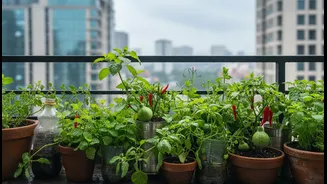
Before sowing a single seed, the first decision involves your containers. For urban renters, portability and weight are key. Lightweight plastic, fibre, or recycled material pots are ideal, as they are easy to move and won't strain your balcony. If you're
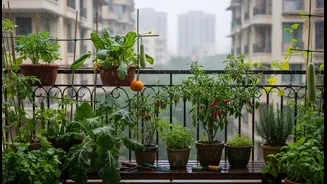
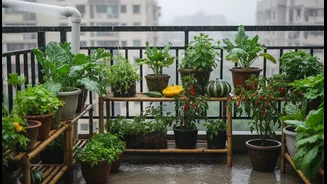
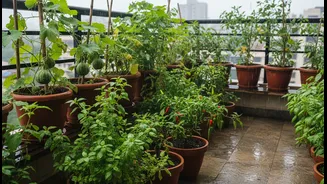
concerned about making permanent changes, consider freestanding vertical planters or tiered shelves to maximise growing space without drilling into walls. These solutions allow you to grow more in a compact footprint. For climbing plants like gourds, a trellis placed inside a large pot provides support without attaching to the building's structure. Always ensure every container has drainage holes to prevent waterlogging, the primary killer of potted plants during the heavy rains of the monsoon.
The Perfect Monsoon Potting Mix
Garden soil is too dense for containers and can become a solid, waterlogged block during the monsoon. The best decision is to use a soilless potting mix. You can buy a pre-made mix or create your own. A simple, effective recipe involves combining equal parts coconut coir (for moisture retention), perlite or sand (for aeration and drainage), and compost or vermicompost (for nutrients). This blend stays light and fluffy, allowing roots to breathe and excess water to drain away, which is critical during daily downpours. For renters, using a pre-moistened mix can also reduce the mess of preparing soil indoors.
Easy Greens and Fragrant Herbs
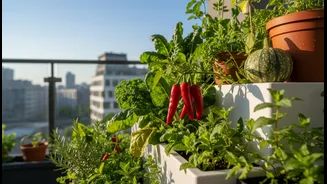
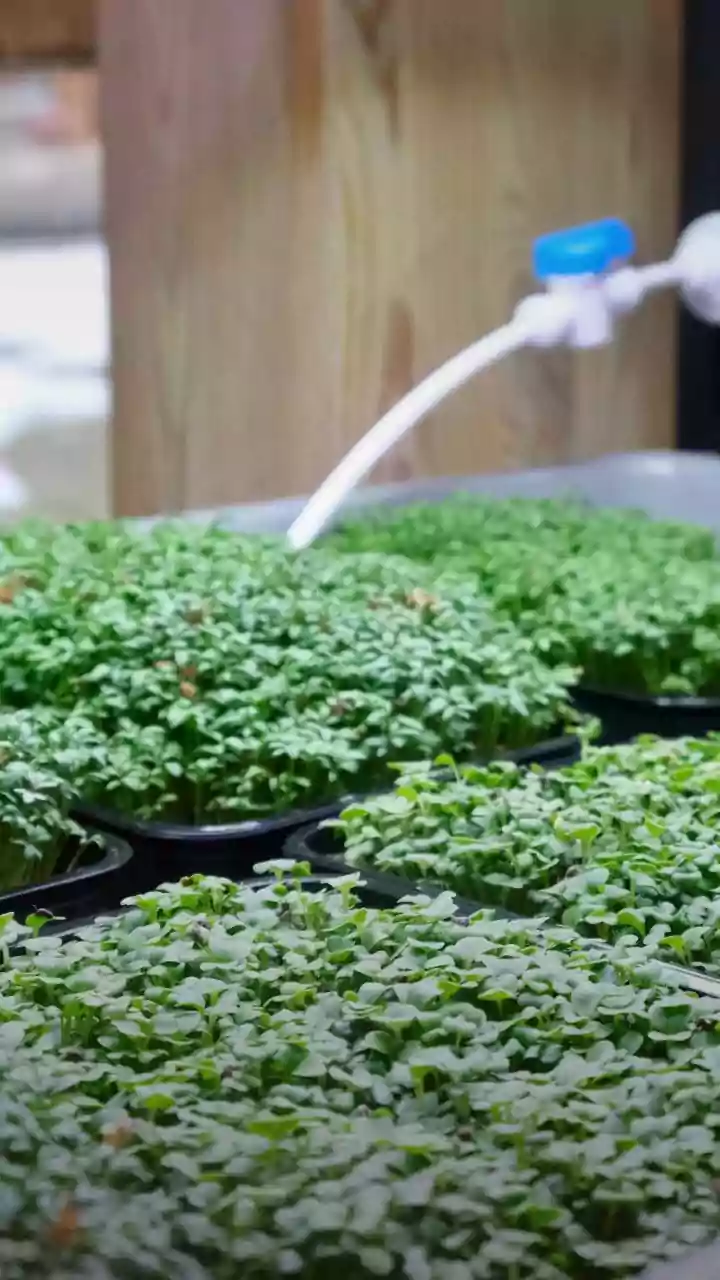
For quick results and a continuous harvest, leafy greens and herbs are an excellent starting point. Spinach (palak), amaranth (chaulai), coriander (dhania), and mint (pudina) all thrive in the moist, humid conditions of the monsoon. Most herbs and greens do well even with just a few hours of sunlight, making them suitable for balconies that don't receive sun all day. These plants grow rapidly, and you can often start harvesting leaves within four to six weeks, providing a fresh supply for your kitchen throughout the season. Mint is particularly foolproof for first-time gardeners.
The Ambitious Harvest: Chillies and Gourds
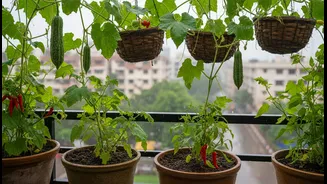
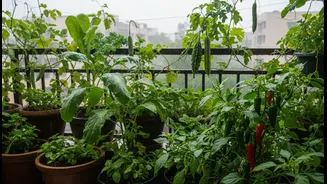
If you have a bit more space and sunlight (at least five hours a day), growing chillies and gourds is incredibly rewarding. Green chilli plants adapt well to the rainy season and can provide a steady harvest. For gourds like bottle gourd (lauki) or ridge gourd (turai), you'll need a larger container—at least a 15-25 litre pot or grow bag—and a sturdy trellis for the vines to climb. These climbers grow explosively during the monsoon, but remember that the weight of the mature plants and fruits needs to be supported securely. For renters, freestanding solutions are a must. These larger plants are a bigger commitment but offer the satisfaction of a substantial harvest.
Monsoon Care and Pest Management
The monsoon's biggest challenge is managing excess water and the pests that love the humidity. Always check the soil before watering; if it feels moist an inch deep, the rain is doing the job for you. Elevating pots on small stands can prevent them from sitting in puddles. High humidity also encourages fungal diseases and pests like mealybugs, aphids, snails, and slugs. To combat this, ensure good air circulation by spacing your pots apart. A preventative, organic spray of neem oil (5ml of oil and a drop of liquid soap mixed in a litre of water) applied every 10-14 days can keep most pests at bay without resorting to harsh chemicals.